EN
EN
Outdoor living spaces have transformed dramatically over the past decade, with homeowners increasingly investing in structures that extend their living areas beyond the confines of their homes. Among the most sought-after additions to American backyards, the pergola stands out as a versatile and aesthetically pleasing option that perfectly balances functionality with visual appeal. This architectural feature has gained tremendous popularity across diverse regions of the United States, from coastal properties to suburban neighborhoods, offering both practical shade solutions and elegant design elements that enhance property values.
Traditional Wooden Pergola Designs
Classic Cedar and Redwood Constructions
Cedar pergola installations dominate many American landscapes due to their natural resistance to insects and weather conditions. This wood species offers exceptional durability while maintaining an organic appearance that complements various architectural styles. The warm, rich tones of cedar develop a beautiful silver-gray patina over time, creating a timeless aesthetic that appeals to homeowners seeking low-maintenance outdoor structures.
Redwood pergola designs represent another premium option favored by discerning property owners, particularly in western states where this material is readily available. The natural oils in redwood provide inherent protection against decay and insect damage, making it an ideal choice for long-term outdoor installations. These structures often feature thick, substantial beams that create impressive visual weight and can support climbing plants or hanging elements.
Pressure-Treated Pine Options
Budget-conscious homeowners frequently choose pressure-treated pine for their pergola projects, as this material offers excellent value while maintaining structural integrity. Modern treatment processes ensure these wooden structures can withstand harsh weather conditions, including heavy snow loads and intense summer sun exposure. The light color of treated pine provides a neutral backdrop that works well with various exterior color schemes.
Many contractors recommend pressure-treated lumber for DIY pergola enthusiasts because it remains relatively affordable and easy to work with using standard woodworking tools. The uniform dimensions and consistent quality of manufactured lumber simplify construction processes while ensuring structural reliability. Property owners can enhance the appearance of treated lumber through staining or painting to match their specific design preferences.
Modern Aluminum Pergola Systems
Powder-Coated Frame Benefits
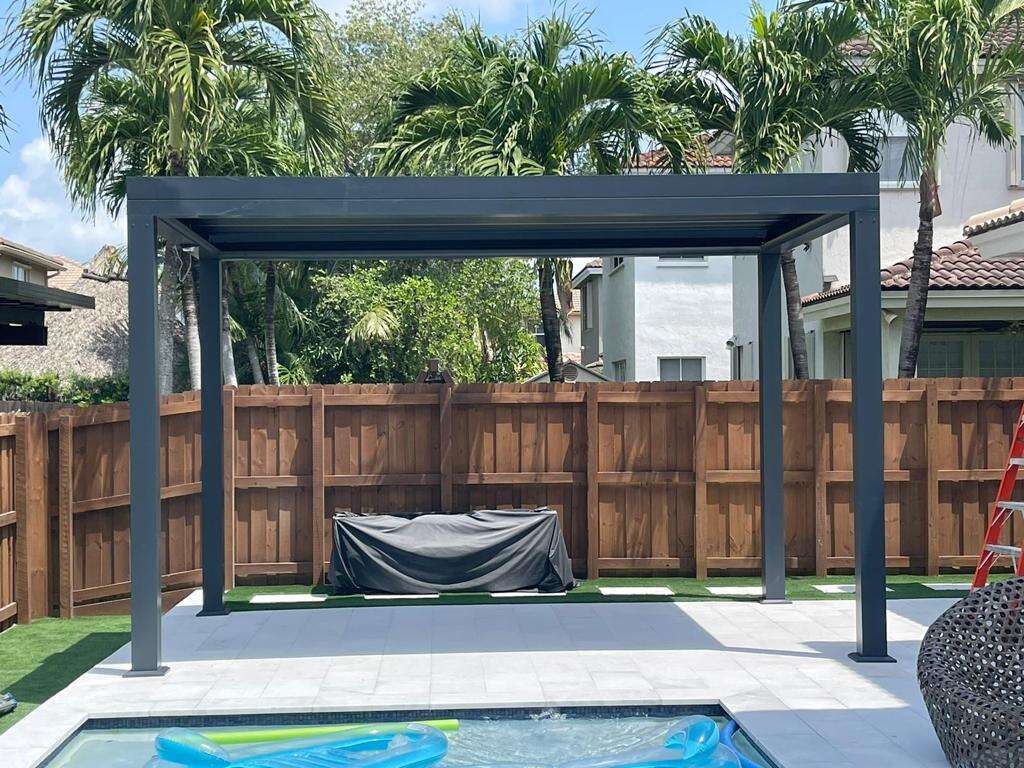
Contemporary aluminum pergola designs have revolutionized outdoor living spaces by offering virtually maintenance-free solutions that resist rust, corrosion, and fading. These modern structures feature powder-coated finishes available in numerous colors, allowing homeowners to perfectly match their existing exterior elements. The lightweight nature of aluminum enables larger spans and more complex designs without requiring extensive foundation work.
Professional installers appreciate aluminum systems for their precision engineering and modular components that ensure perfect alignment and professional results. The material's inherent strength allows for thinner profiles that create clean, minimalist lines appealing to homeowners with contemporary architectural preferences. Additionally, aluminum pergola frames can easily accommodate integrated lighting, heating elements, and motorized shade systems.
Integrated Technology Features
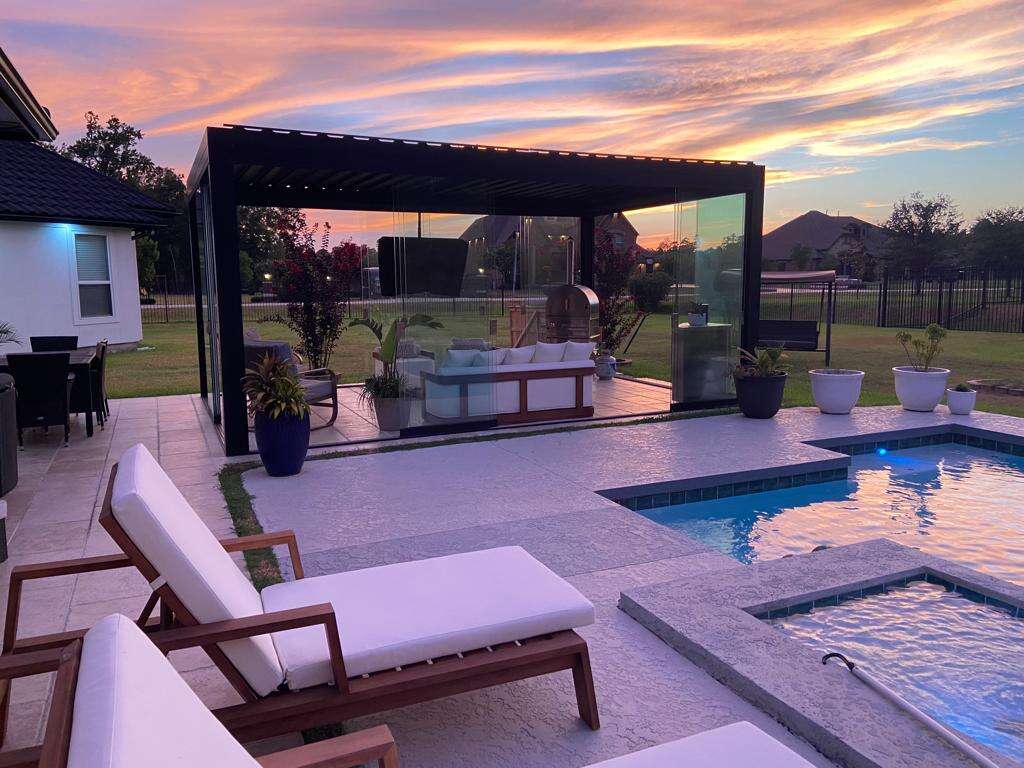
Smart pergola systems incorporate advanced technology features that enhance functionality and user convenience. Remote-controlled louvered roofs allow precise adjustment of sunlight and ventilation, while integrated sensors can automatically respond to weather conditions. These technological advances position the modern pergola as a sophisticated outdoor living solution that adapts to changing environmental conditions.
LED lighting systems integrated into aluminum pergola frames create stunning evening ambiance while providing practical illumination for outdoor dining and entertainment. Some advanced models include heating elements, sound systems, and even misting systems for cooling during hot summer months. These features transform basic shade structures into comprehensive outdoor living environments that extend the usable seasons for backyard spaces.
Vinyl and Composite Pergola Solutions
Low-Maintenance Vinyl Construction
Vinyl pergola installations appeal to homeowners seeking the appearance of traditional wood without ongoing maintenance requirements. High-quality vinyl materials resist cracking, warping, and discoloration while maintaining consistent appearance throughout their service life. These structures never require painting, staining, or sealing, making them ideal for busy homeowners or those in harsh climate conditions.
Modern manufacturing techniques produce vinyl pergola components with realistic wood grain textures and natural color variations that closely mimic authentic lumber. The hollow construction of vinyl beams significantly reduces weight while maintaining structural strength adequate for most residential applications. Installation processes are often simplified due to pre-fabricated components and snap-together assembly systems.
Composite Material Advantages
Composite pergola materials combine wood fibers with synthetic polymers to create products that offer the best characteristics of both materials. These engineered products resist moisture, insects, and UV degradation while maintaining the natural appearance and workability of traditional wood. Composite materials often feature enhanced dimensional stability that prevents warping and splitting common with natural lumber.
Environmental consciousness drives many homeowners toward composite pergola options that incorporate recycled materials in their manufacturing processes. These products often carry extended warranties and maintain their appearance longer than traditional wood alternatives. The consistent quality and predictable performance of composite materials make them increasingly popular among professional contractors and DIY builders alike.
Regional Style Preferences Across America
Mediterranean and Spanish Influences
Southern and southwestern regions of the United States show strong preferences for pergola designs inspired by Mediterranean and Spanish architectural traditions. These structures typically feature heavy timber construction with rustic finishes that complement stucco exteriors and tile roofing systems. Curved brackets, decorative ironwork, and earth-tone color schemes characterize these regional interpretations.
Adobe-style pergola designs incorporate thick posts and beams that create substantial visual presence while providing effective shade in desert climates. Natural materials like rough-hewn timber and wrought iron details enhance the authentic southwestern aesthetic. These structures often extend from main buildings to create seamless transitions between indoor and outdoor living spaces.
Contemporary Minimalist Trends
Urban and suburban areas with modern architectural styles favor clean-lined pergola designs that emphasize simplicity and geometric precision. These structures often feature slim profiles, hidden hardware, and monochromatic color schemes that complement contemporary home designs. Materials like steel, aluminum, and engineered lumber support the minimalist aesthetic while providing necessary structural performance.
Geometric pergola patterns and asymmetrical layouts appeal to homeowners seeking unique outdoor features that serve as architectural focal points. These designs often incorporate mixed materials or contrasting colors to create visual interest without overwhelming existing landscape elements. Professional landscape architects frequently specify these contemporary styles for clients with modern sensibilities.
Functional Design Considerations
Climate-Specific Adaptations
Different climate zones across America require specific pergola design modifications to ensure optimal performance and longevity. Northern regions with heavy snow loads necessitate stronger beam sizes and closer spacing to handle winter weather conditions. Southern areas focus on maximizing shade coverage and promoting air circulation to combat intense summer heat.
Coastal pergola installations must address salt air corrosion through material selection and protective finishes. Stainless steel hardware and marine-grade finishes extend service life in these challenging environments. Desert climates require UV-resistant materials and designs that minimize heat absorption while providing maximum shade coverage during peak daylight hours.
Multi-Functional Integration
Modern pergola designs increasingly serve multiple functions beyond basic shade provision, incorporating features like outdoor kitchens, dining areas, and entertainment spaces. These integrated approaches maximize the utility of outdoor investments while creating cohesive design themes throughout backyard environments. Built-in seating, planters, and storage elements enhance functionality without compromising aesthetic appeal.
Retractable canopy systems allow pergola owners to adjust coverage based on weather conditions and intended use. These flexible solutions provide full sun exposure when desired and complete protection during adverse weather. Privacy screens and windbreaks can be integrated into pergola designs to create intimate outdoor rooms suitable for year-round enjoyment.
Installation and Customization Options
Professional Installation Benefits
Professional pergola installation ensures proper foundation work, structural integrity, and compliance with local building codes. Experienced contractors possess the specialized tools and knowledge necessary to handle complex installations and challenging site conditions. Their expertise helps avoid costly mistakes and ensures warranty coverage remains valid throughout the structure's service life.
Licensed contractors handle permit applications and inspection processes that may be required for pergola installations in many jurisdictions. They understand local wind load requirements, setback restrictions, and utility clearance issues that could affect placement and design decisions. Professional installation typically includes comprehensive warranties covering both materials and workmanship.
DIY Assembly Considerations
Many pergola manufacturers offer kit-based solutions designed for homeowner assembly, complete with pre-cut components and detailed instructions. These DIY-friendly options can significantly reduce project costs while providing satisfying hands-on building experiences. However, successful DIY installation requires adequate tools, basic construction skills, and careful attention to manufacturer specifications.
Site preparation remains critical for DIY pergola projects, including proper foundation work and accurate layout measurements. Homeowners should carefully evaluate their skill levels and available time before committing to self-installation projects. Many hardware stores and home centers offer tool rental programs and technical support to assist DIY builders throughout their projects.
FAQ
What is the most popular pergola material in the USA
Wood remains the most popular pergola material across the United States, with cedar and pressure-treated pine leading in sales volume. Cedar offers natural weather resistance and attractive aging characteristics, while pressure-treated lumber provides budget-friendly durability. Aluminum is gaining popularity in modern homes due to its low maintenance requirements and sleek appearance.
How much does a typical pergola installation cost
Pergola installation costs vary significantly based on size, materials, and complexity, typically ranging from $2,500 for basic DIY kits to $15,000 or more for custom professional installations. Wood structures generally cost less initially but may require ongoing maintenance expenses. Aluminum and composite materials command premium prices but offer long-term value through reduced maintenance needs.
Do pergolas require building permits in most areas
Building permit requirements for pergola installations vary by location, with many municipalities requiring permits for structures over certain sizes or those attached to existing buildings. Freestanding structures under 120 square feet often qualify for permit exemptions, but regulations differ significantly between jurisdictions. Homeowners should always check with local building departments before beginning pergola projects.
How long do different pergola materials typically last
Material lifespan varies considerably, with cedar and redwood pergola structures lasting 15-25 years with proper maintenance, while pressure-treated lumber typically provides 10-15 years of service. Aluminum and steel structures can last 30+ years with minimal maintenance, and high-quality vinyl or composite materials often carry 20-25 year warranties. Regular maintenance and protective treatments significantly extend the service life of all pergola materials.