EN
EN


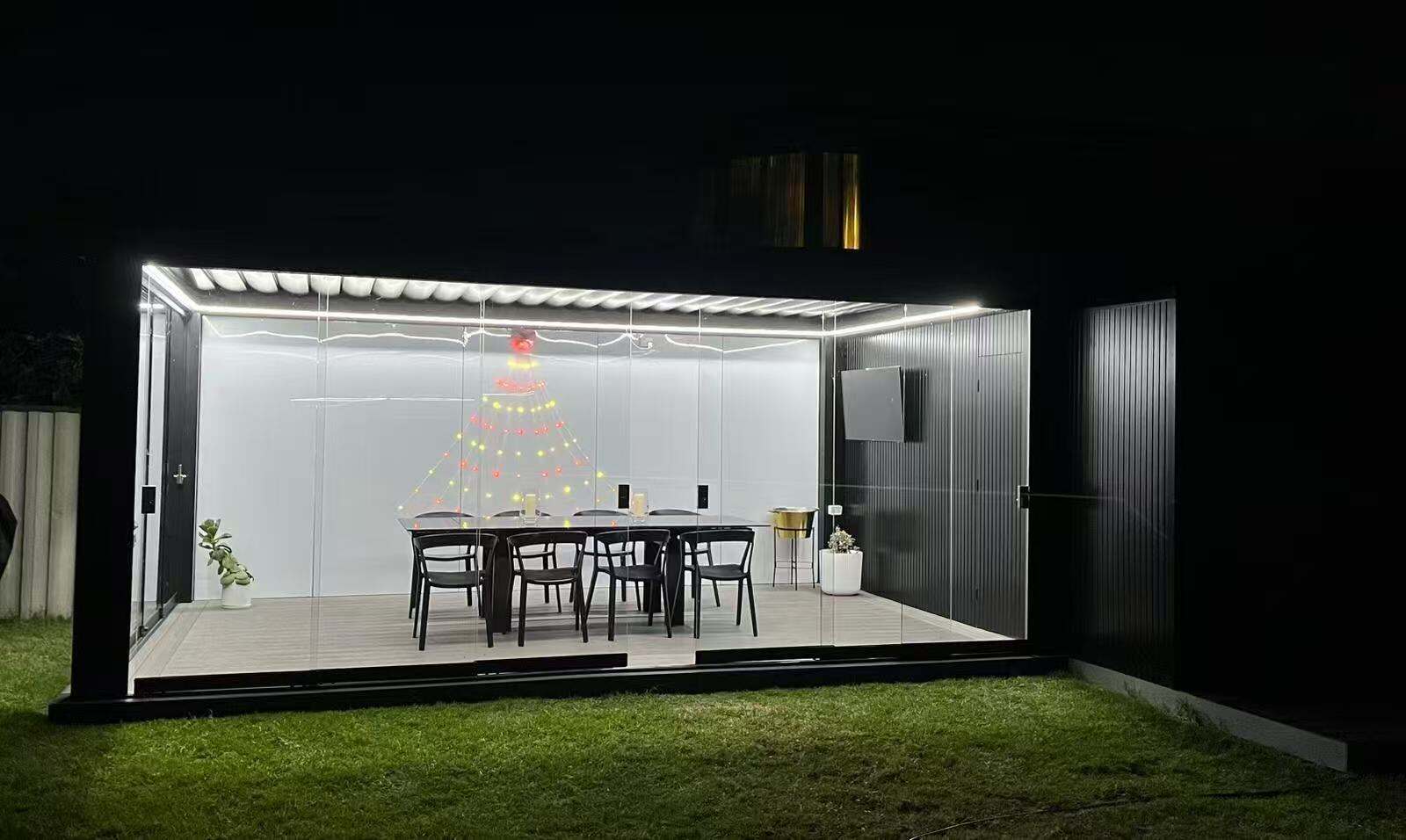
A pergola represents one of the most versatile outdoor structures available to homeowners seeking to enhance their living spaces year-round. This architectural feature transforms any backyard into a functional extension of your home, providing shelter, style, and endless customization possibilities. Whether you're dealing with scorching summer heat, autumn winds, winter chill, or spring showers, the right pergola modifications can ensure your outdoor space remains comfortable and inviting throughout every season.
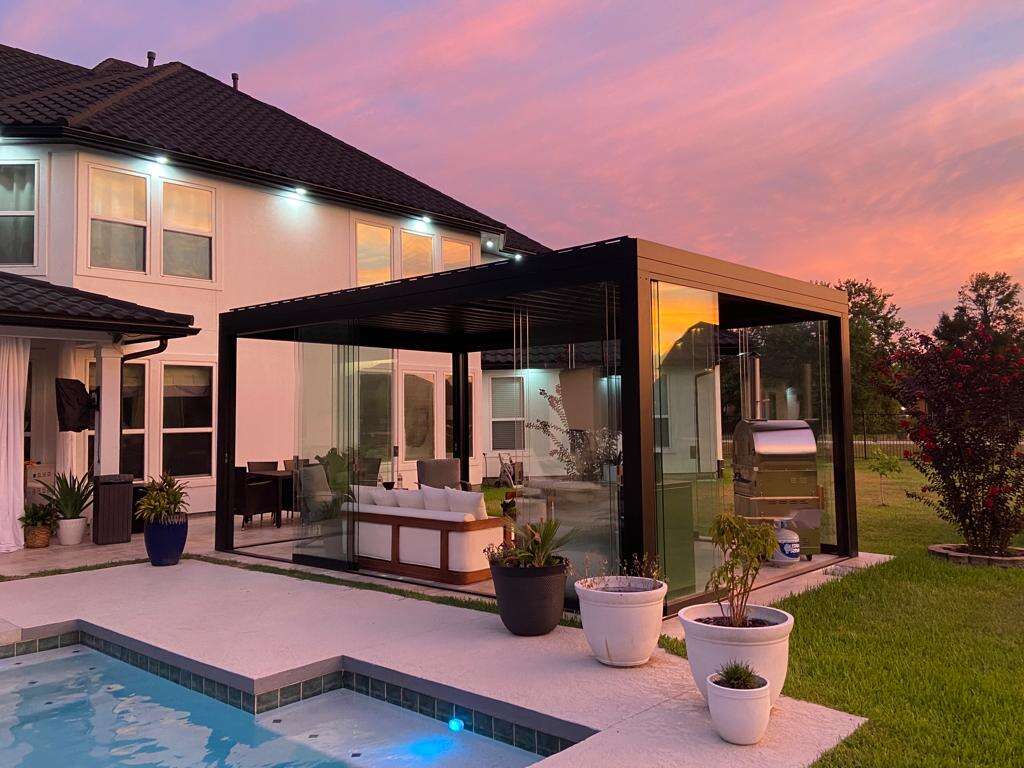
The beauty of pergola customization lies in its adaptability to changing weather conditions and personal preferences. Modern pergola designs have evolved far beyond simple wooden frameworks, incorporating innovative materials, adjustable features, and smart technology that respond to environmental changes. Understanding how to optimize your pergola for different seasons ensures maximum enjoyment and return on investment while creating an outdoor sanctuary that serves your family's needs throughout the entire year.
Essential Seasonal Pergola Modifications
Summer Heat Protection Solutions
During summer months, your pergola requires strategic modifications to combat intense sunlight and excessive heat buildup. Installing retractable canopies or shade sails provides immediate relief from direct UV exposure while maintaining airflow beneath the structure. These adjustable coverings can be extended during peak sun hours and retracted during cooler evening periods, offering maximum flexibility for outdoor entertaining and relaxation.
Incorporating climbing plants such as grapevines, wisteria, or jasmine creates natural shade while adding visual appeal to your pergola framework. These living elements provide cooling through evapotranspiration, effectively reducing ambient temperatures around your outdoor space. Additionally, misting systems can be integrated into pergola posts to deliver fine water droplets that cool the air through evaporation, creating a refreshing microclimate perfect for summer gatherings.
Strategic placement of outdoor fans within your pergola structure enhances air circulation and provides additional cooling comfort. Ceiling-mounted fans specifically designed for outdoor use can be installed between pergola beams, creating gentle breezes that make hot summer days more bearable. Consider fans with integrated lighting features to serve dual purposes while maintaining the aesthetic appeal of your outdoor living area.
Winter Weather Adaptations
Transforming your pergola for winter use requires thoughtful consideration of heating, wind protection, and weather resistance. Installing clear vinyl or tempered glass panels between pergola posts creates windbreaks while maintaining visibility and natural light. These transparent barriers effectively reduce wind chill and allow you to enjoy your outdoor space even during cooler months, extending the usability of your pergola investment.
Outdoor heating elements such as infrared heaters, fire pits, or propane patio heaters can be strategically positioned within your pergola to provide warmth and ambiance. Wall-mounted or ceiling-suspended heaters maintain floor space while delivering efficient heat distribution throughout the covered area. Ensure proper ventilation when using fuel-based heating sources and consider electric alternatives for cleaner, more controllable heating solutions.
Adding weatherproof curtains or drapes around pergola perimeters creates intimate spaces while blocking cold winds and precipitation. Heavy-duty outdoor fabrics designed to withstand moisture, UV exposure, and temperature fluctuations provide both functional protection and decorative enhancement. These flexible barriers can be drawn closed during inclement weather and opened when conditions improve, offering versatile seasonal adaptation.
Advanced Pergola Customization Features
Motorized Louver Systems
Modern pergola designs increasingly incorporate motorized louver systems that automatically adjust to weather conditions and user preferences. These intelligent roofing solutions feature rotating slats that can be positioned to control sunlight, ventilation, and rain protection with the touch of a button. When fully closed, louvers create complete weather protection, while partial positioning allows filtered light and controlled airflow throughout your outdoor space.
Smart louver systems can be integrated with weather sensors and smartphone applications, enabling automatic responses to changing conditions. Rain sensors trigger immediate closure to protect furniture and occupants, while wind sensors adjust louver positions to minimize structural stress during storms. Temperature sensors can optimize positioning for maximum comfort, opening louvers for cooling breezes during hot weather and closing them for warmth retention during cooler periods.
The installation of motorized louvers transforms a standard pergola into a year-round outdoor room capable of adapting to any weather condition. These systems eliminate manual adjustments while providing precise control over your outdoor environment. Consider models with backup manual operation capabilities to ensure functionality during power outages or system maintenance periods.
Integrated Lighting and Electrical Systems
Comprehensive electrical planning extends pergola usability well beyond daylight hours while supporting various seasonal accessories. Installing weatherproof electrical outlets throughout your pergola structure accommodates heating elements, cooling fans, lighting fixtures, and entertainment systems. Plan electrical layouts during initial pergola construction or renovation to minimize visible wiring and ensure code compliance with outdoor electrical standards.
LED lighting systems offer energy-efficient illumination options that enhance both functionality and ambiance. String lights create warm, inviting atmospheres perfect for evening gatherings, while recessed downlights provide task lighting for dining and activities. Color-changing LED strips can be programmed to match seasonal themes or personal preferences, creating dynamic lighting schemes that transform your pergola appearance throughout the year.
Smart lighting controls allow automated scheduling and remote operation of pergola illumination systems. Motion sensors can activate pathway lighting for safety while occupancy sensors ensure lights turn off when spaces are unoccupied. Integration with home automation systems enables voice control and smartphone operation, making lighting adjustments convenient regardless of weather conditions or time of day.
Seasonal Furniture and Accessory Integration
Modular Furniture Solutions
Selecting pergola furniture that adapts to seasonal requirements maximizes both functionality and storage efficiency. Modular seating systems allow configuration changes based on weather conditions and entertaining needs, while stackable chairs and folding tables facilitate easy storage during severe weather periods. Weather-resistant materials such as aluminum, teak, and synthetic wicker maintain appearance and durability through temperature extremes and moisture exposure.
Storage solutions integrated into pergola design provide convenient access to seasonal accessories while maintaining organized outdoor spaces. Built-in benches with storage compartments house cushions, throws, and seasonal decorations, while weatherproof cabinets protect grilling supplies, entertainment equipment, and maintenance tools. Consider furniture pieces that serve multiple purposes, such as ottomans with storage or tables with integrated coolers for summer entertaining.
Cushions and textiles specifically designed for outdoor use ensure comfort while withstanding seasonal weather variations. Solution-dyed acrylic fabrics resist fading, mildew, and moisture damage while providing vibrant colors and patterns. Quick-dry foam cushions shed water efficiently and resist mold growth, maintaining comfort even after unexpected rain showers or morning dew exposure.
Seasonal Decoration Strategies
Transforming your pergola appearance throughout the year creates fresh, engaging outdoor spaces that reflect seasonal changes and personal style preferences. Spring decorations might include flowering planters, pastel textiles, and fresh greenery that celebrate renewal and growth. Summer themes often feature bright colors, tropical plants, and nautical elements that evoke vacation and relaxation atmospheres perfect for warm weather entertaining.
Autumn pergola decorations embrace harvest themes with warm earth tones, seasonal gourds, and decorative corn stalks that create cozy, inviting spaces. String lights with warm white bulbs enhance evening ambiance while extending outdoor season into cooler months. Winter decorations might include evergreen garlands, weather-resistant ornaments, and warm lighting that maintains outdoor interest even when entertaining moves indoors.
Rotating seasonal accessories prevents outdoor spaces from becoming stagnant while showcasing creativity and attention to detail. Storage systems specifically designed for seasonal items facilitate quick transitions between themes while protecting decorations from weather damage. Consider investing in high-quality, reusable decorations that maintain appearance through multiple seasons rather than disposable items that require frequent replacement.
Weather-Resistant Material Considerations
Structural Material Selection
Choosing appropriate materials for pergola construction ensures longevity and performance across all seasonal conditions while minimizing maintenance requirements. Pressure-treated lumber provides traditional aesthetics with enhanced resistance to moisture, insects, and decay, making it suitable for various climate conditions. Cedar and redwood offer natural weather resistance and beautiful grain patterns, though they require periodic sealing to maintain appearance and protection.
Aluminum pergola structures deliver superior weather resistance with minimal maintenance requirements while supporting various customization options. Powder-coated finishes resist corrosion, fading, and scratching while providing color choices that complement existing architecture. Steel pergolas offer maximum strength for supporting heavy accessories like motorized louvers or integrated lighting systems, though proper coating is essential for preventing rust in humid environments.
Composite materials combine the appearance of natural wood with enhanced weather resistance and reduced maintenance needs. These engineered products resist warping, splitting, and fading while providing consistent performance across temperature extremes. Consider the specific climate conditions in your area when selecting pergola materials, as factors like humidity, temperature ranges, and precipitation levels influence material performance and longevity.
Hardware and Fastener Durability
Selecting appropriate hardware and fasteners prevents pergola failure during severe weather while ensuring safe operation of movable components. Stainless steel bolts, screws, and brackets resist corrosion in coastal environments where salt exposure accelerates metal deterioration. Hot-dipped galvanized hardware provides excellent corrosion resistance for inland applications while offering cost advantages over stainless steel alternatives.
Moving components such as louver mechanisms, retractable canopies, and sliding panels require high-quality hardware designed for outdoor use and frequent operation. Self-lubricating bearings and sealed gear systems maintain smooth operation despite temperature variations and moisture exposure. Regular maintenance schedules should include hardware inspection and lubrication to prevent premature wear and ensure reliable performance throughout all seasons.
Proper fastener installation techniques ensure pergola stability during wind events and heavy snow loads. Through-bolting major structural connections provides superior strength compared to lag screws alone, while hurricane ties and seismic brackets add resistance to uplift forces. Consult local building codes and engineering requirements when designing pergola structures, as regional weather patterns influence structural design standards and safety requirements.
Maintenance and Care Throughout Seasons
Preventive Maintenance Schedules
Establishing regular maintenance routines ensures your pergola remains functional and attractive throughout all seasonal changes while preventing costly repairs and replacements. Spring maintenance typically includes thorough cleaning, hardware inspection, and assessment of winter damage such as loose fasteners, cracked wood, or damaged accessories. This seasonal transition period provides ideal conditions for repairs and improvements before heavy summer use begins.
Summer maintenance focuses on protecting pergola components from UV damage and heat stress while ensuring comfort systems operate efficiently. Regular cleaning of louver mechanisms, lubrication of moving parts, and inspection of electrical connections prevent failures during peak usage periods. Monitoring plant growth around pergola structures ensures proper clearances while preventing damage from overgrown vegetation during active growing seasons.
Fall preparations involve securing loose components, cleaning gutters and drainage systems, and applying protective treatments before winter weather arrives. Removing fallen leaves and debris prevents moisture retention that can lead to decay or pest infestations. Winter maintenance includes snow removal from pergola roofs, ice prevention on walkways, and periodic inspection of heating systems to ensure safe operation during cold weather periods.
Long-Term Care Strategies
Implementing comprehensive care strategies extends pergola lifespan while maintaining optimal performance and appearance across multiple seasons and weather cycles. Wood pergola structures benefit from annual cleaning and periodic refinishing with appropriate stains or sealers that protect against moisture, UV damage, and insect infestation. Choose products specifically formulated for outdoor wood exposure and compatible with your pergola material and existing finishes.
Metal pergola components require inspection for corrosion, paint damage, and fastener integrity, with prompt attention to any issues that could compromise structural safety or appearance. Touch-up painting prevents rust progression while maintaining aesthetic appeal, though complete refinishing may become necessary after several years depending on environmental exposure and coating quality. Professional inspection every few years ensures structural integrity and identifies potential problems before they require expensive repairs.
Documentation of maintenance activities, warranty information, and component specifications facilitates efficient care while providing valuable information for insurance claims or property sales. Photographs of pergola condition at various seasons help track changes and identify emerging issues early. Maintaining relationships with qualified contractors familiar with your pergola design ensures access to proper repair services and replacement parts when needed.
FAQ
What are the most effective ways to winterize a pergola
Winterizing a pergola effectively involves installing wind barriers such as clear panels or heavy curtains, adding heating elements like infrared heaters or fire features, and ensuring proper drainage to prevent ice formation. Remove or secure lightweight accessories that could be damaged by wind or snow, and apply protective treatments to wood surfaces before freezing weather begins. Consider adding insulation to ceiling areas if you plan to use heating systems regularly during winter months.
How can I make my pergola cooler during hot summer months
Cooling a pergola during summer requires strategic shade solutions such as retractable canopies, shade sails, or climbing plants that provide natural coverage. Install misting systems or outdoor fans to create air movement and evapotive cooling effects. Use light-colored materials and fabrics that reflect rather than absorb heat, and consider adding water features like fountains that naturally cool surrounding air through evaporation.
What seasonal accessories work best for different weather conditions
Seasonal pergola accessories should match weather conditions and intended use patterns throughout the year. Summer accessories include shade sails, cooling fans, and water-resistant cushions in bright colors. Fall and winter accessories focus on heating elements, wind protection panels, and warm lighting systems. Spring preparations often involve fresh plantings, lighter textiles, and thorough cleaning of accumulated winter debris and protective coverings.
How often should I perform maintenance on my pergola throughout the year
Pergola maintenance schedules should follow seasonal patterns with major inspections and repairs performed during spring and fall transitions. Monthly checks during active seasons ensure proper operation of moving parts and electrical systems, while weekly cleaning during heavy use periods maintains appearance and prevents debris accumulation. Annual professional inspections identify structural issues and warranty maintenance requirements that preserve long-term performance and safety compliance.