EN
EN


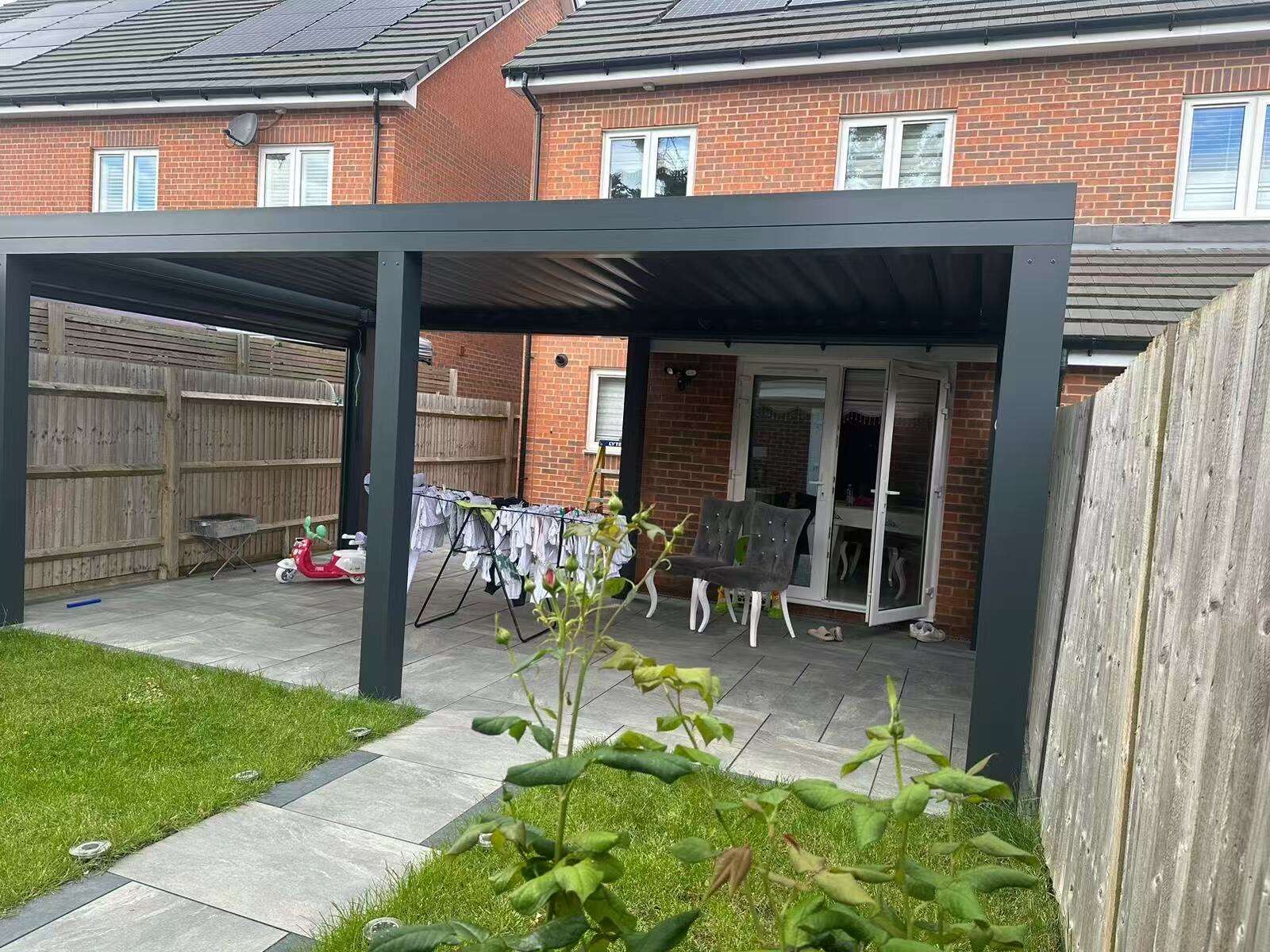
Modern homeowners are increasingly turning to outdoor structures that combine functionality with aesthetic appeal, and the pergola has emerged as one of the most versatile and popular choices. These architectural elements have evolved far beyond their traditional garden applications, now serving diverse purposes in residential and commercial spaces alike. Understanding the various uses of a pergola can help property owners maximize their outdoor investments while creating stunning focal points that enhance both property value and quality of life.
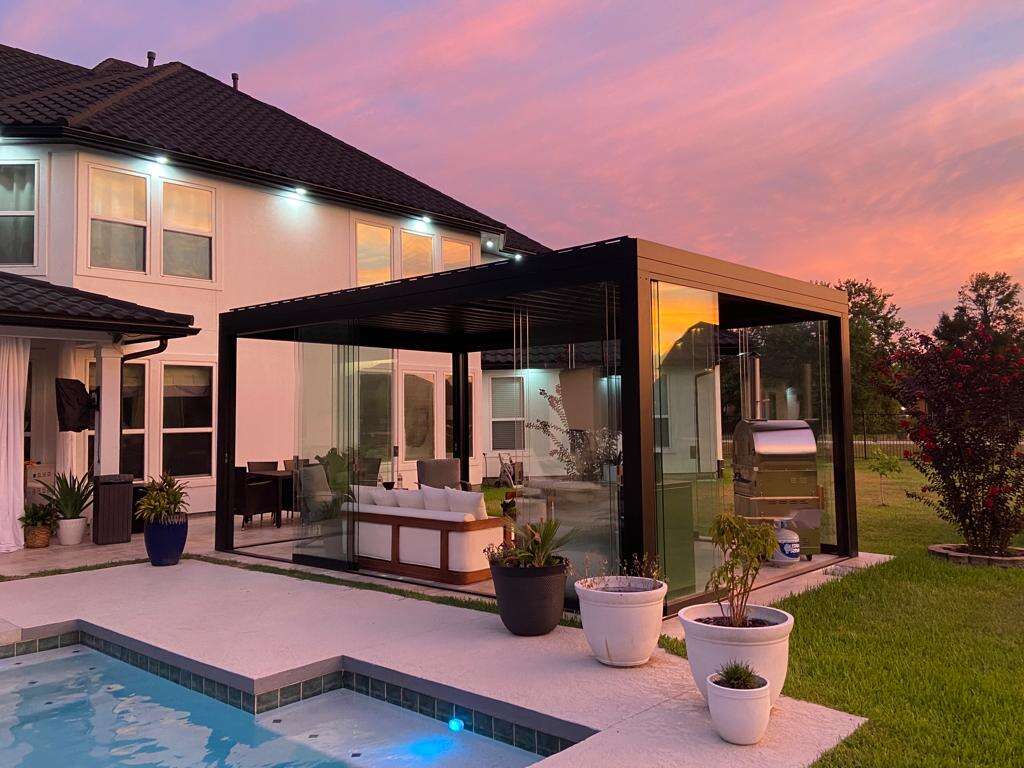
Outdoor Dining and Entertainment Spaces
Creating Defined Dining Areas
A pergola serves as an excellent framework for establishing dedicated outdoor dining zones that feel both intimate and spacious. By providing overhead structure without completely blocking the sky, these installations create a sense of enclosure that makes outdoor meals more comfortable and enjoyable. The vertical posts naturally define the dining area boundaries while maintaining an open, airy atmosphere that encourages relaxation and conversation.
Property owners often position their pergola dining areas strategically near kitchens or grilling stations to facilitate easy food service. The structure provides convenient anchor points for hanging lights, fans, or decorative elements that enhance the dining experience. Many homeowners discover that meals eaten under a pergola feel more special and restaurant-like compared to dining on an open patio or deck.
Entertainment and Social Gathering Hub
The versatility of pergola structures makes them ideal for hosting various types of social gatherings and entertainment events. From casual barbecues to elegant cocktail parties, these outdoor rooms provide the perfect blend of shelter and openness that guests appreciate. The overhead beams offer natural suspension points for party lights, speakers, or seasonal decorations that transform the space for different occasions.
Large pergola installations can accommodate multiple seating arrangements and activity zones within a single structure. Homeowners often create conversation areas with comfortable outdoor furniture while leaving space for mingling and movement. The defined nature of a pergola space helps organize parties and gatherings while maintaining the relaxed atmosphere that makes outdoor entertaining so appealing.
Garden and Landscaping Applications
Supporting Climbing Plants and Vines
Traditional pergola usage focuses heavily on supporting climbing vegetation that creates natural shade and privacy over time. Popular climbing plants like wisteria, grape vines, roses, and clematis thrive when given the vertical and horizontal support that pergola structures provide. The framework allows these plants to spread naturally while creating beautiful living canopies that change with the seasons.
Garden enthusiasts appreciate how a pergola can transform from a simple wooden or metal structure into a lush, green sanctuary as plants mature. This organic evolution means the structure becomes more beautiful and functional each year, eventually providing significant shade and privacy. The combination of architectural elements with living plants creates outdoor spaces that feel both designed and natural.
Creating Garden Rooms and Pathways
Strategic pergola placement can divide large outdoor areas into distinct garden rooms, each with its own character and purpose. These structures serve as natural transitions between different landscape zones, creating visual interest and guiding foot traffic through the property. A pergola walkway can transform a simple path into an enchanting journey through the garden.
Landscape designers frequently incorporate pergola elements to frame views, highlight specific plants or features, and create focal points that draw the eye through the garden. The vertical structure adds dimension to flat landscapes while providing framework for seasonal displays and decorative elements. Whether used as entrance features or destination points, pergola installations help organize and enhance overall garden design.
Shade and Weather Protection Solutions
Partial Shade Creation
While pergola structures traditionally provide filtered rather than complete shade, this characteristic makes them perfect for areas where full sun protection is not desired. The open slat design allows air circulation while reducing direct sunlight exposure, creating comfortable microclimates for outdoor activities. Many homeowners find this partial shading ideal for morning coffee areas or afternoon reading nooks.
Modern pergola designs often incorporate adjustable louvers or retractable canopy systems that allow users to control shade levels throughout the day. This adaptability makes the structure more versatile and weather-responsive, providing options for both sunny and overcast conditions. The ability to modify shade coverage extends the usable hours for outdoor spaces significantly.
Enhanced Weather Resilience
Contemporary pergola construction focuses on weather resistance and durability, making these structures reliable outdoor investments. Quality materials like aluminum, steel, or treated hardwoods ensure that pergola installations withstand various climate conditions while maintaining their appearance and functionality. The open design naturally handles wind loads better than solid roof structures.
Some pergola designs incorporate drainage systems and weather-resistant features that make them suitable for year-round use in most climates. The structure can support temporary weather protection like tarps or fabric panels during storms while maintaining its open character during pleasant weather. This flexibility allows property owners to adapt their outdoor spaces to changing conditions without permanent modifications.
Property Value and Aesthetic Enhancement
Architectural Interest and Visual Appeal
A well-designed pergola adds significant architectural interest to properties by introducing vertical elements and geometric patterns that complement existing structures. The interplay of light and shadow created by pergola beams changes throughout the day, providing dynamic visual elements that enhance outdoor spaces. These structures often serve as stunning backdrops for landscaping and outdoor furniture arrangements.
Property owners frequently discover that pergola installations become focal points that tie together various landscape elements and create cohesive outdoor design themes. The structure provides opportunities for incorporating decorative details, materials, and colors that reflect personal style while complementing the main residence. This integration of form and function makes pergola investments particularly valuable for property enhancement.
Increased Property Market Value
Real estate professionals consistently note that quality outdoor structures like pergolas contribute positively to property values and market appeal. Potential buyers often view these installations as desirable amenities that extend living space and enhance lifestyle options. The permanence and quality of pergola structures make them particularly attractive to buyers seeking move-in-ready outdoor entertainment areas.
Market research indicates that properties with well-designed outdoor structures often sell faster and command higher prices than comparable homes without these features. The pergola represents a middle ground between simple landscaping and expensive additions like gazebos or covered porches, making it an accessible upgrade with strong return on investment potential. This financial benefit often justifies the initial installation costs for budget-conscious homeowners.
Commercial and Business Applications
Restaurant and Hospitality Use
Commercial establishments increasingly incorporate pergola structures to expand outdoor seating capacity and create attractive dining environments. Restaurants, cafes, and hotels use these installations to define outdoor service areas while maintaining the open-air atmosphere that customers seek. The structure provides framework for lighting, heating, and sound systems that enhance customer comfort and experience.
Business owners appreciate how pergola installations can transform underutilized outdoor spaces into revenue-generating areas with relatively modest investments. The structures help create intimate settings that encourage longer customer stays and higher per-visit spending. Many establishments find that pergola-covered areas become preferred seating options that customers specifically request.
Event Venue and Wedding Applications
Event venues and wedding planners frequently utilize pergola structures as ceremony backdrops and reception focal points. The architectural framework provides natural decoration opportunities while creating defined spaces for different event activities. The open design allows for easy customization with flowers, fabric, lighting, and other decorative elements that match specific event themes.
Professional event coordinators value pergola installations for their versatility and photogenic qualities that enhance event documentation and marketing materials. The structure creates natural gathering points and conversation areas that help organize guest flow and activities. Many venues discover that pergola features become signature elements that distinguish their facilities from competitors.
Modern Design and Technology Integration
Smart Home Technology Integration
Contemporary pergola designs increasingly incorporate smart home technology features that enhance functionality and user control. Automated louver systems, integrated lighting controls, and weather sensors allow homeowners to optimize their outdoor spaces remotely. These technological enhancements make pergola structures more responsive to changing conditions and user preferences.
Modern installations often include provisions for audio systems, security cameras, and wireless connectivity that extend indoor conveniences to outdoor spaces. The pergola framework provides ideal mounting points for speakers, sensors, and other devices while keeping technology elements organized and protected. This integration helps create seamless indoor-outdoor living experiences that modern homeowners increasingly desire.
Sustainable and Energy-Efficient Features
Environmental consciousness drives many pergola design innovations that focus on sustainability and energy efficiency. Solar-powered lighting systems, rainwater collection features, and sustainable material choices make these structures more environmentally responsible. The natural ventilation provided by pergola designs reduces the need for mechanical cooling in adjacent indoor spaces.
Green building enthusiasts often incorporate pergola structures into larger sustainability strategies that include native plant support, microclimate creation, and energy conservation. The ability to support solar panels or green roofing systems makes pergola installations valuable components of comprehensive environmental building approaches. These features often qualify for green building incentives and certifications.
FAQ
What is the typical lifespan of a pergola structure
A quality pergola constructed from durable materials like aluminum, steel, or properly treated wood can last 15-25 years or longer with appropriate maintenance. The lifespan depends significantly on material choice, installation quality, climate conditions, and regular upkeep. Aluminum and steel pergola structures typically offer the longest service life due to their resistance to weather, insects, and decay.
How much maintenance does a pergola require annually
Annual pergola maintenance requirements vary by material but generally include cleaning, inspection of connections and hardware, and protective treatment application. Wood pergola structures may require staining or sealing every 2-3 years, while metal structures typically need only periodic cleaning and hardware checks. Regular maintenance prevents small issues from becoming costly repairs and extends overall structure life.
Can a pergola be used year-round in cold climates
Pergola structures can definitely be used year-round in cold climates with proper design considerations and seasonal adaptations. The open framework handles snow loads well while allowing natural melting and drainage. Many owners add temporary enclosures, heating elements, or weather protection during harsh seasons while maintaining the structure integrity throughout winter months.
What permits are typically required for pergola installation
Permit requirements for pergola installation vary by local jurisdiction, structure size, and proximity to property lines or existing buildings. Many areas allow small pergola structures without permits if they meet specific size and setback requirements. Larger or more complex installations typically require building permits and may need structural engineering approval, especially in areas with specific wind or snow load requirements.