EN
EN
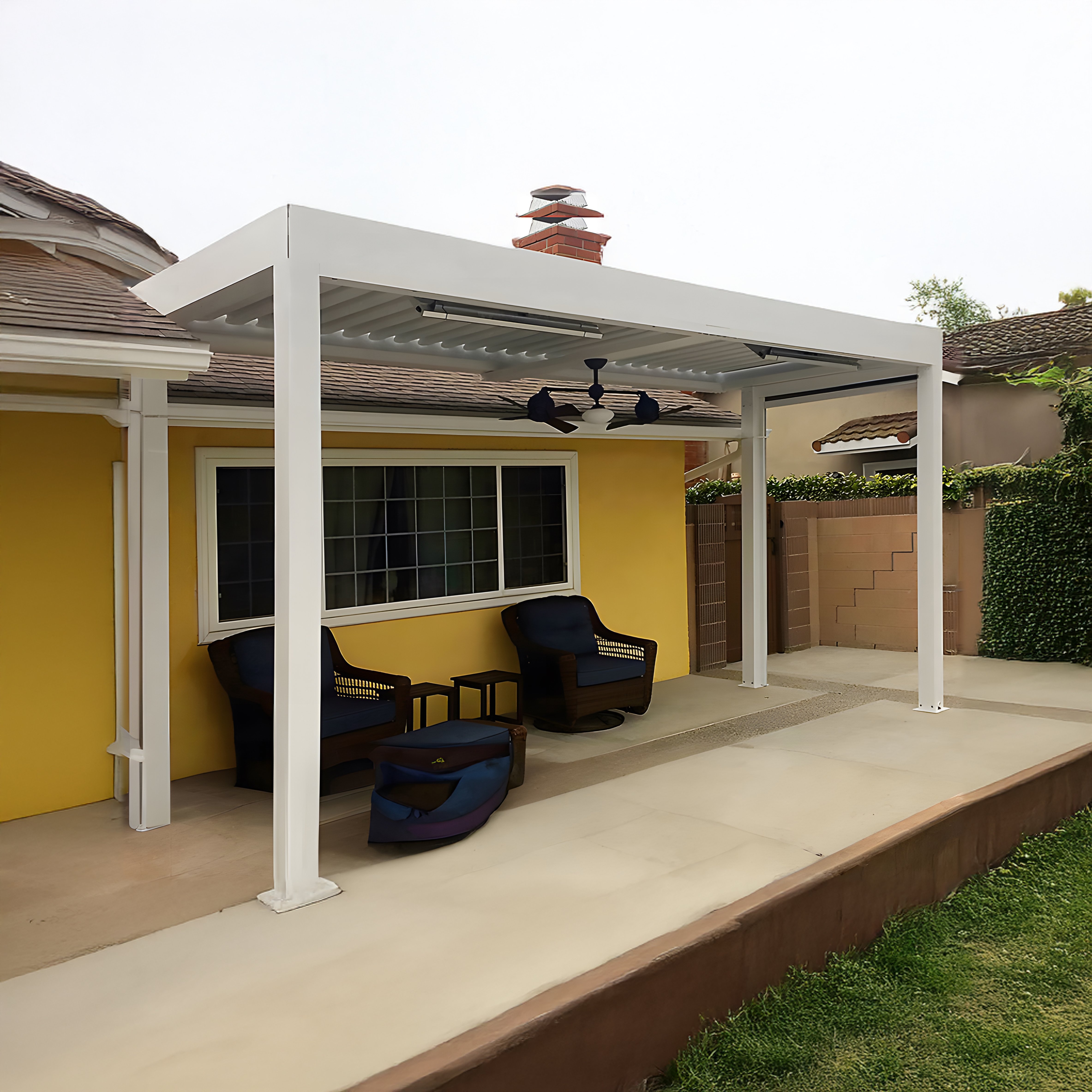
A freestanding pergola represents one of the most versatile outdoor investments a property owner can make. Unlike attached structures that require modification to your home's exterior, a freestanding pergola offers independent functionality while maintaining aesthetic appeal and practical benefits. Whether you're looking to create a shaded outdoor retreat, define a specific landscape zone, or enhance your property's visual character, a freestanding pergola delivers measurable value across multiple dimensions. This structure combines flexible design options with straightforward pergola installation DIY approaches, making it accessible for homeowners seeking outdoor enhancement without extensive renovation projects.
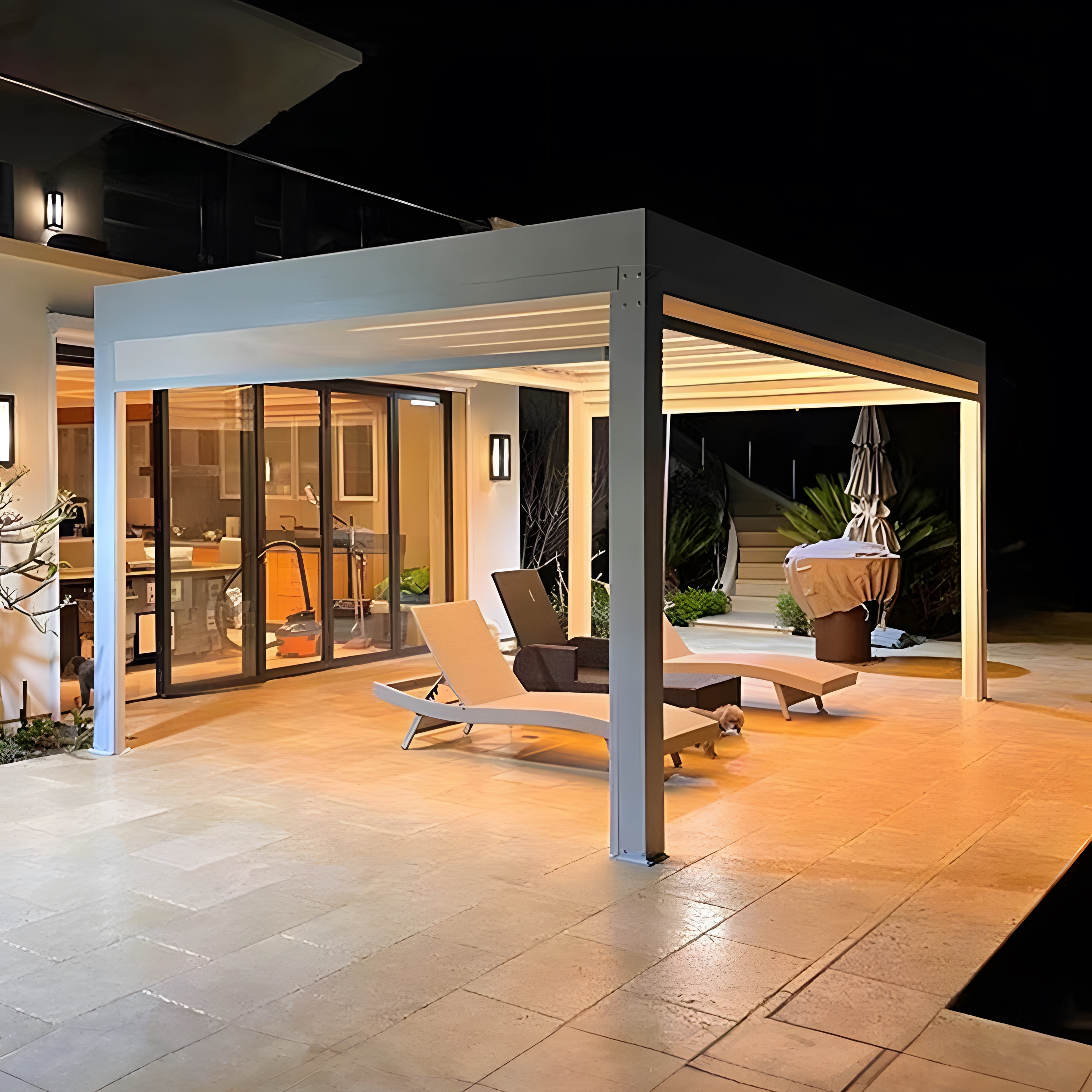
The practical advantages of choosing a pergola shade structure extend beyond simple sun protection. Homeowners gain enhanced control over their outdoor environment, the ability to modify or relocate the structure, and the option to customize design elements to match existing landscapes. Many modern pergola designs incorporate retractable pergola canopy systems, allowing users to adjust shade levels based on weather conditions and personal preference. This combination of flexibility, aesthetic impact, and functional utility explains why freestanding pergolas have become increasingly popular for residential and commercial outdoor spaces.
Enhanced Outdoor Comfort and Shade Control
Creating Optimal Shade Solutions
A primary benefit of a freestanding pergola lies in its capacity to deliver targeted shade without permanent structural commitments. The pergola shade structure framework allows filtered sunlight penetration while reducing harsh UV exposure and ambient temperature. Unlike solid roof structures, pergolas provide dappled shade that remains cooler than direct sun exposure while maintaining an open, airy aesthetic. Retractable pergola canopy additions amplify this benefit by enabling seasonal or daily adjustment of shade density, responding to changing weather patterns and user comfort needs throughout the year.
Temperature Moderation and Microclimate Benefits
The strategic placement of a freestanding pergola creates measurable microclimate effects in outdoor areas. By filtering solar radiation and promoting air circulation, these structures reduce surface temperatures by five to fifteen degrees compared to exposed zones. This temperature moderation extends the usability window of outdoor spaces during spring and fall months when direct sun would otherwise prove uncomfortable. For properties with seating areas, dining zones, or recreational spaces, the pergola shade structure effect substantially improves user comfort and outdoor time duration.
Design Flexibility and Property Enhancement
Customization and Aesthetic Integration
Unlike permanent fixtures, a freestanding pergola offers remarkable design flexibility and repositioning capability. Property owners can select from various materials, colors, sizes, and decorative elements to match existing architectural styles or create intentional design contrasts. The structure operates independently of home exteriors, eliminating concerns about exterior wall modifications or weatherproofing complications. This autonomy enables homeowners to experiment with landscape integration, test different placement options, and evolve their outdoor design approach without irreversible commitments. A retractable pergola canopy adds another customization layer, allowing users to modify the structure's functional characteristics seasonally or situationally.
Zone Definition and Space Organization
Freestanding pergolas effectively delineate outdoor spaces without creating visual barriers or isolation. They define specific zones—such as seating areas, dining sections, or entertainment spaces—while maintaining sight lines and landscape flow. This spatial organization proves particularly valuable for larger properties where visual cohesion and functional separation both matter. A well-positioned freestanding pergola signals purpose and intentionality within the broader landscape while maintaining the open, connected feeling that characterizes appealing outdoor environments.
Practical Installation and Long-Term Value
Accessible Installation and Maintenance
Many homeowners appreciate the pergola installation DIY potential that freestanding structures offer. Without requiring permanent foundation ties to existing structures or professional architectural involvement, installation complexity decreases substantially compared to attached options. Ground-level installation, modular component systems, and straightforward assembly processes make pergola installation DIY projects feasible for property owners with moderate construction experience. Maintenance similarly remains straightforward, typically involving seasonal cleaning, periodic staining or sealing depending on material selection, and occasional adjustments to fasteners or movable components like retractable pergola canopy systems.
Property Value and Resale Appeal
Real estate professionals consistently recognize outdoor enhancements as significant property value contributors. A thoughtfully designed freestanding pergola improves curb appeal, suggests careful property stewardship, and effectively expands perceived living space by creating defined outdoor zones. Buyers increasingly value outdoor structures that enhance functionality without requiring extensive maintenance or renovation. The combination of aesthetic appeal and practical utility that a pergola shade structure delivers translates into measurable property value increases while remaining portable should the property owner choose relocation. This combination of enhancement and flexibility positions the freestanding pergola as a relatively low-risk investment with tangible return potential.
FAQ
What specific advantages does a retractable pergola canopy provide compared to fixed pergola designs?
Retractable pergola canopy systems deliver superior weather protection and shade adjustment flexibility. Fixed structures provide consistent shade but cannot adapt to heavy rain, unexpected temperature changes, or situations requiring full sun exposure. Retractable systems allow users to extend canopy panels during rain or intense sun, then retract them during pleasant weather or when maximum sunlight is desired. This adaptability extends the outdoor space's usability throughout seasons and weather variations while maintaining the elegant open aesthetic of the freestanding pergola framework when canopy coverage remains retracted.
How does pergola installation DIY compare to professional installation services?
Pergola installation DIY projects work well for property owners with basic construction skills and time availability, particularly for straightforward ground-level designs. Professional installation ensures precise leveling, optimal foundation preparation, and warranty protection, which prove valuable for complex designs or situations involving challenging terrain. Many homeowners successfully complete pergola installation DIY for modular systems while delegating foundation work or electrical components if retractable pergola canopy systems with motorized operation are involved. Evaluating your skill level, project complexity, and timeline helps determine whether pergola installation DIY remains realistic for your specific situation.
What maintenance requirements should freestanding pergola owners anticipate?
Freestanding pergola maintenance depends primarily on material selection and environmental conditions. Wood pergolas typically require annual or biennial staining or sealing to prevent weathering and extend structural integrity. Metal pergolas benefit from occasional cleaning and inspection for rust development, particularly in humid or coastal environments. Retractable pergola canopy components require periodic lubrication of mechanical systems and fabric inspection for damage or deterioration. Most owners find maintenance manageable with seasonal attention, significantly less demanding than maintaining attached structures or complex outdoor installations requiring professional servicing.