EN
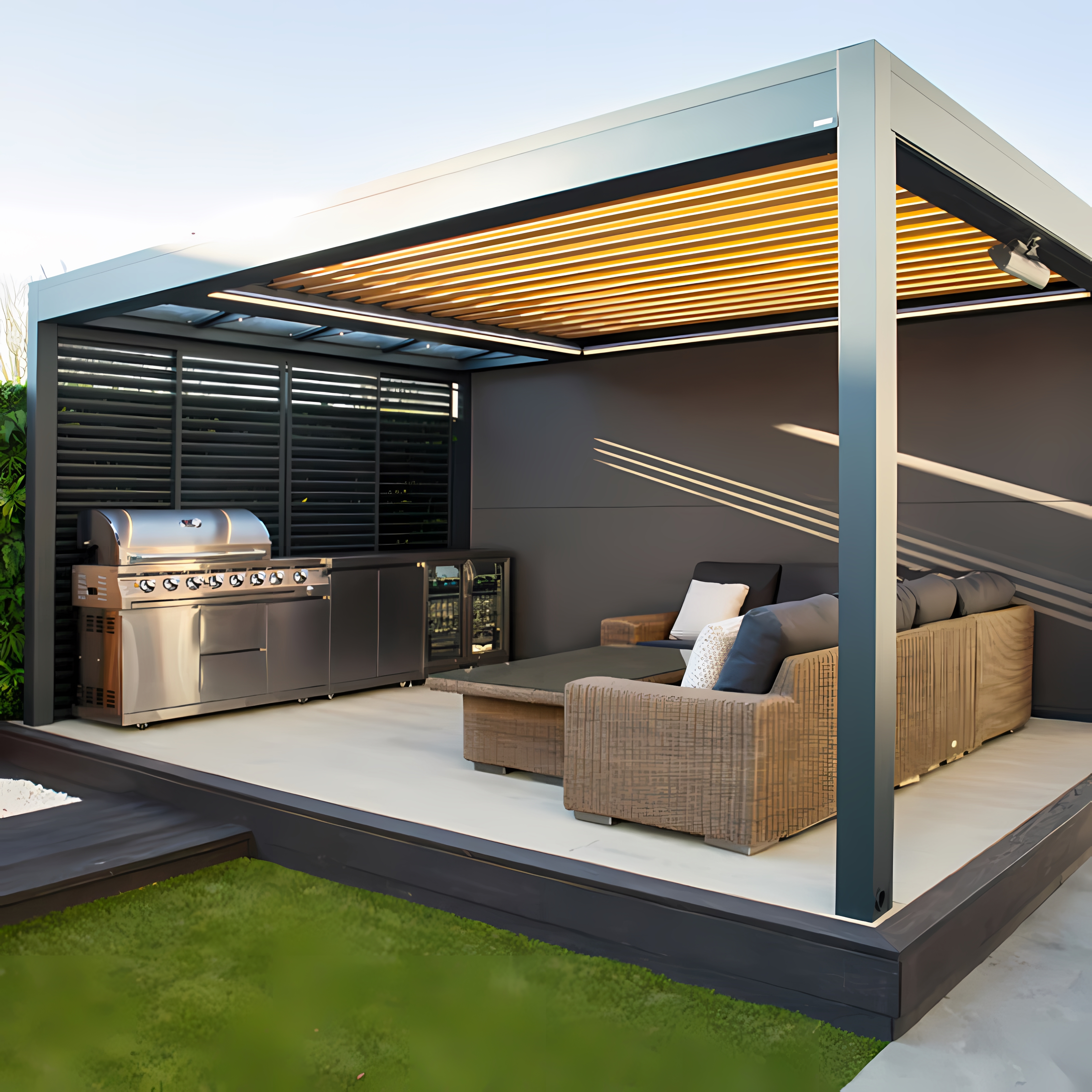
Selecting the right supplier for a retractable pergola is one of the most critical decisions a B2B buyer can make. Unlike standard outdoor structures, a retractable pergola demands technical expertise, reliable manufacturing, and comprehensive support throughout the entire project lifecycle. Your supplier choice directly impacts installation quality, product longevity, warranty coverage, and long-term customer satisfaction. Understanding what to evaluate ensures you partner with a vendor who can deliver both the product and the service your business requires.
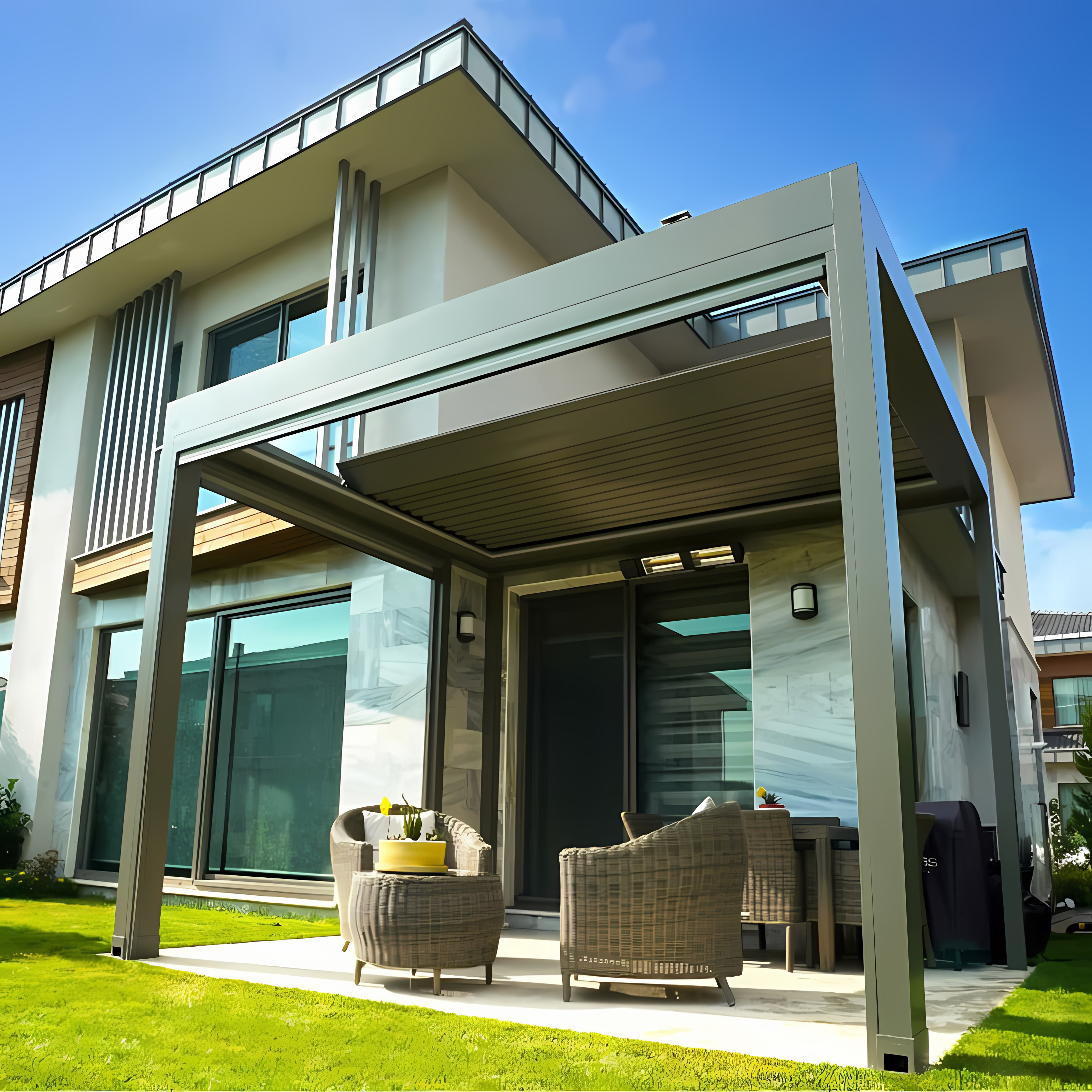
The market for pergola shade solutions has expanded significantly, bringing both quality manufacturers and less reliable vendors into the space. A thorough evaluation process protects your investment, reduces risk, and ensures you source products that meet your customers' expectations. This guide outlines the key factors that separate trustworthy retractable pergola suppliers from mediocre ones, helping you make an informed partnership decision.
Understanding Core Product Capabilities
Motorized Pergola Roof Design and Engineering
The foundation of any quality retractable pergola lies in its motorized pergola roof mechanism. A reliable supplier should demonstrate expertise in motor selection, louver articulation, and structural load distribution. Ask about the motor specifications, including torque rating, speed, and cycle life. Quality motorized pergola roof systems include dual-motor redundancy for safety, soft-start controls to reduce stress on components, and weather-responsive automation features. Request technical documentation, certifications, and third-party testing reports that validate wind-load ratings and operational stability.
The pergola shade solutions offered should include adjustable louver angles, typically ranging from full closure to 180-degree open positions. Examine the material choices for louver slats—aluminum, composite, and fabric each offer different durability and aesthetic profiles. High-quality suppliers provide customization options and material specifications that align with regional climate conditions, ensuring your customers receive structures built to withstand local environmental stresses.
Structural Integrity and Material Selection
Evaluate the overall frame construction, including aluminum grade, welding standards, and corrosion resistance treatments. Premium retractable pergola suppliers use 6063-T5 aluminum or equivalent, which balances strength and weight. Request information about powder coating thickness, UV resistance, and warranty against fading or chalking. The supplier should provide structural engineering reports certifying the frame design for snow loads, wind pressure, and seismic conditions relevant to your geographic markets.
Evaluating Outdoor Pergola Installation Support
Installation Services and Technical Training
Outdoor pergola installation complexity requires supplier support beyond product delivery. Determine whether the supplier offers direct installation services, certified installer networks, or technical guidance for contractor partners. Request case studies or references from similar projects, including system sizes, installation timelines, and post-installation performance. A quality pergola shade solutions provider trains installers on proper mounting techniques, electrical connections, motor calibration, and weatherproofing procedures. Ask about on-site supervision, quality inspections, and client handover protocols.
The supplier should provide comprehensive installation documentation, including structural attachment specifications, electrical wiring diagrams, motor programming instructions, and safety interlocks. Clarify responsibility boundaries—whether the supplier handles roof penetrations, electrical integration, or leaves these tasks to the general contractor. This clarity prevents delays, cost disputes, and quality issues after project completion.
Warranty, Support, and After-Sales Service
Investigate warranty terms for both structure and motorized pergola roof components. Standard warranties typically range from two to ten years depending on the supplier and product tier. Understand coverage limits—does the warranty include motor failure, louver damage, finish degradation, or only structural defects? Examine whether warranty claims require factory service or if field repairs are permitted. A reputable outdoor pergola installation specialist maintains regional service centers or partnerships to handle warranty work promptly.
Ask about spare parts availability, replacement timelines, and long-term support. Quality suppliers maintain component inventory for 10+ years post-purchase, ensuring your customers can source replacement motors, louvers, or controls without system obsolescence. Verify remote diagnostics capabilities and emergency service availability for systems that fail during peak-use seasons.
Financial and Commercial Considerations
Pricing Transparency and Payment Terms
Request detailed quotes that separately itemize product cost, motorized pergola roof components, installation labor, and any customization fees. Compare total cost of ownership rather than unit price alone, accounting for warranty coverage, maintenance requirements, and expected lifespan. Evaluate payment schedules—whether the supplier requires full prepayment, milestone-based progress payments, or post-installation settlement. A trustworthy pergola shade solutions vendor maintains predictable pricing and rarely imposes surprise charges after order commitment.
Scalability and Production Capacity
For growing B2B relationships, assess the supplier's production capacity, lead times, and ability to scale. Request information about manufacturing facilities, quality control processes, and capacity constraints during peak seasons. Ask whether the supplier can handle bulk orders, accommodate custom specifications, or maintain consistent delivery schedules. Outdoor pergola installation projects often cluster seasonally, so supplier flexibility directly impacts your project completion timelines and customer delivery promises.
Verify that the supplier maintains quality consistency across high-volume production. Site visits to manufacturing facilities, third-party audits, or ISO certifications provide confidence in process reliability. Request lead-time guarantees and understand penalty clauses for delivery delays, protecting your projects from schedule disruption.
FAQ
What technical certifications should a retractable pergola supplier hold?
Quality retractable pergola suppliers typically hold certifications including ISO 9001 for quality management, structural engineering stamps from licensed professionals, electrical safety certifications (UL, ETL), and wind-load testing reports from independent labs. Some regions require specific building code compliance documentation. Request copies of all certifications and verify their current validity status.
How do I verify a motorized pergola roof supplier's track record?
Request client references from at least three completed projects of similar scale. Contact those references directly to discuss installation quality, system reliability, and post-sale support experiences. Ask about any issues encountered and how the supplier resolved them. Outdoor pergola installation success depends on vendor accountability, so prioritize suppliers willing to provide verifiable project history and customer testimonials.
What warranty terms are standard for pergola shade solutions?
Typical pergola shade solutions warranties include a two-to-five year manufacturer defect coverage on frame and motorized components, with optional extended warranties available. Coverage usually excludes wear items, cosmetic damage, and maintenance-related failures. Premium suppliers offer ten-year structural warranties and motor protection plans. Ensure warranty documentation clearly defines what is and is not covered, claim procedures, and geographic service limitations before committing to a supplier.