EN
EN
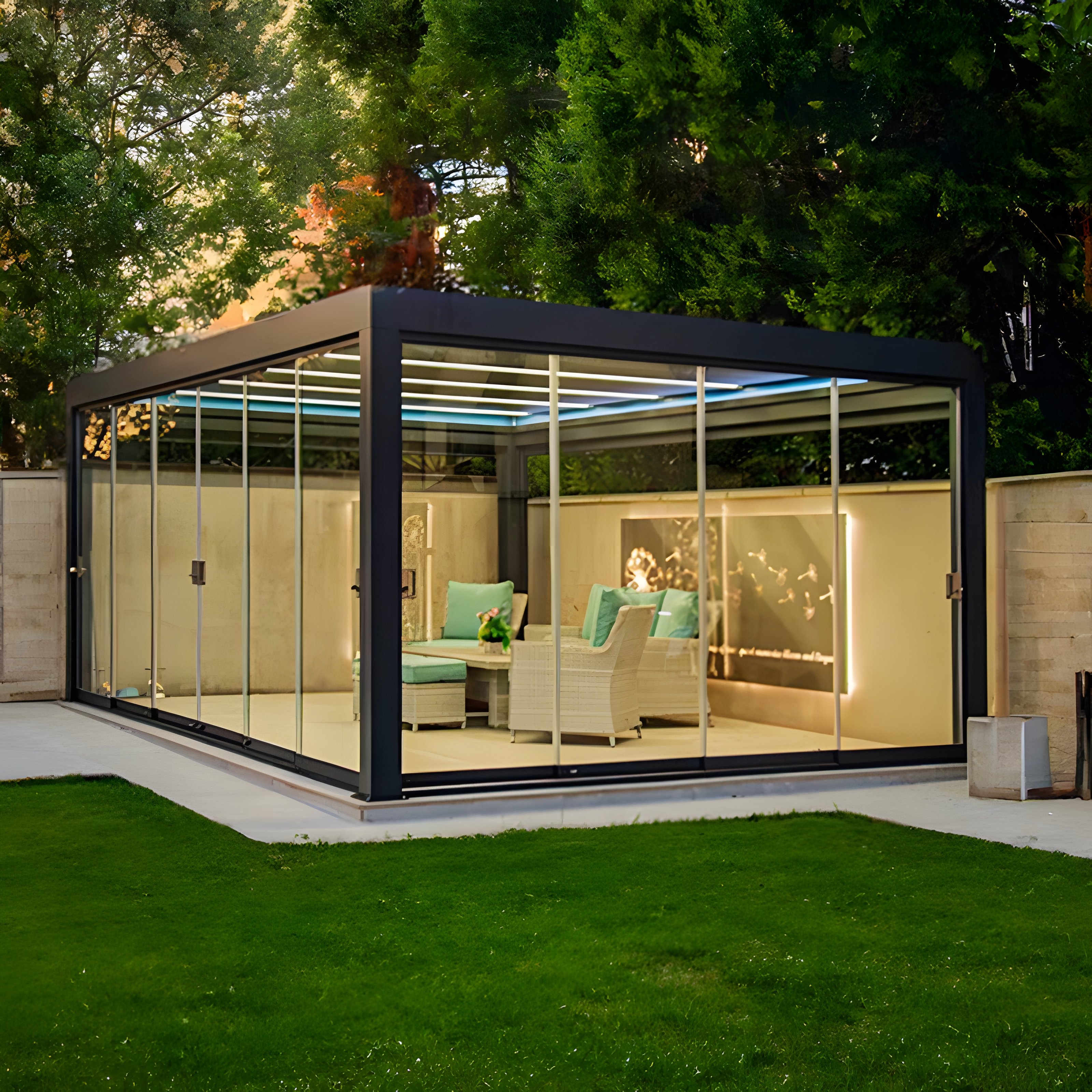
Selecting the right commercial pergola is a critical decision for business owners looking to enhance outdoor spaces. Whether you manage a restaurant, hotel, corporate campus, or retail establishment, a well-chosen pergola creates functional outdoor environments that attract customers and improve brand perception. The investment in quality outdoor shade structures for restaurants and commercial venues requires careful consideration of design, durability, budget, and long-term value.
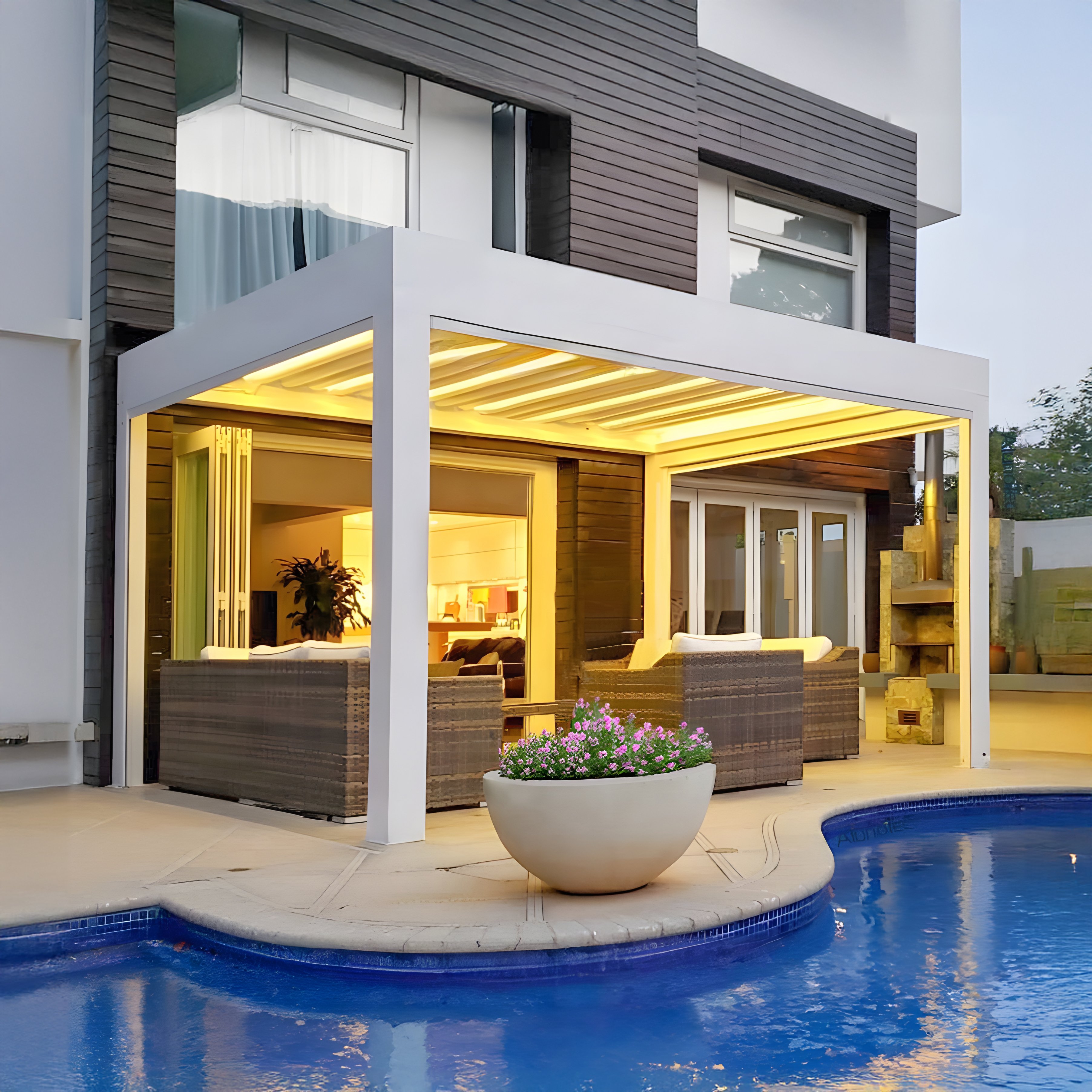
A commercial pergola serves multiple business purposes beyond simple aesthetics. It creates comfortable outdoor dining areas, extends usable floor space, provides weather protection, and generates positive customer experiences that drive repeat business. Understanding the nuances of pergola selection ensures your investment aligns with operational needs, climate conditions, and financial goals. This guide walks you through essential factors that define successful commercial pergola projects.
Define Your Business Objectives and Space Requirements
Clarify Primary Use Cases
Before exploring specific models, identify what role the commercial pergola will play in your business operations. Different business types require different functionality. A restaurant needs weatherproof pergola systems capable of hosting diners during variable weather, while a corporate campus might prioritize aesthetic enhancement and employee wellness. Outdoor shade structures for restaurants must withstand heavy foot traffic and provide reliable shade during peak service hours. Defining primary use cases prevents purchasing oversized or undersized solutions that create operational friction.
Measure Available Space and Structural Capacity
Accurate space measurement ensures the commercial pergola fits properly within your venue. Document exact dimensions, existing utilities, drainage patterns, and proximity to building edges. Check load-bearing capacity of underlying surfaces where the structure will attach. Understand wind exposure levels, local building codes, and any zoning restrictions that affect pergola installation for patios or outdoor areas. Professional site assessment prevents costly installation delays and design modifications.
Evaluate Material Quality and Weather Performance
Select Durable Material Composition
Material choice directly impacts pergola longevity and maintenance costs. Aluminum weatherproof pergola systems offer lightweight durability and resistance to corrosion, making them ideal for humid or coastal business environments. Steel structures provide maximum strength but require protective coatings. Wood pergolas deliver classic aesthetics but demand regular maintenance and present weathering challenges. For commercial applications, aluminum and engineered composites typically offer the best balance between durability, maintenance requirements, and total cost of ownership. Evaluate material certifications and warranty coverage to ensure reliability.
Assess Weather Resistance Features
Commercial pergola installations must withstand local climate conditions consistently. Look for weatherproof pergola systems featuring UV-resistant coatings, drainage solutions for standing water, and materials that resist rust, rot, and degradation. High-quality pergola installation for patios includes integrated gutter systems, proper slope design, and ventilation features that prevent moisture accumulation. Thermal expansion properties matter in regions experiencing dramatic temperature swings. Test material samples or review independent performance testing before committing to large-scale outdoor shade structures for restaurants and hospitality venues.
Plan Customization, Compliance, and Implementation Timeline
Customize Design for Brand and Function
Commercial pergolas should reflect brand identity while solving functional challenges. Modern designs incorporate retractable shade elements, integrated lighting, and climate control features that enhance customer experience. Color matching, branding integration, and aesthetic cohesion with existing structures influence customer perception and business competitiveness. Modular weatherproof pergola systems allow phased expansion as business grows. Consult with design professionals to align the commercial pergola with overall facility aesthetics and operational workflow.
Verify Codes and Plan Installation Timeline
Building code compliance, electrical safety standards, and permit requirements vary significantly by jurisdiction. Commercial pergola projects typically require professional engineering review, wind load calculations, and permit approval before construction begins. Pergola installation for patios often involves coordination with utilities, drainage systems, and existing infrastructure. Planning realistic timelines accounts for permitting delays, seasonal constraints, and operational continuity during construction. Partner with experienced installers familiar with commercial outdoor shade structures for restaurants and similar business applications to navigate regulatory requirements efficiently.
FAQ
What size commercial pergola do most businesses choose?
Business size and usage patterns determine optimal pergola dimensions. Restaurants typically select structures covering 400 to 800 square feet to accommodate multiple dining tables and customer flow. Corporate spaces often use smaller pavilions for break areas or smaller hospitality venues. Modular weatherproof pergola systems allow businesses to start smaller and expand through additional units. Consult with installation professionals who have experience with pergola installation for patios to recommend sizing that balances investment with functional requirements specific to your business type.
How much does a commercial pergola cost?
Commercial pergola pricing ranges from $3,000 to $25,000+ depending on size, materials, customization, and site complexity. Aluminum weatherproof pergola systems typically fall in the mid-range, offering good value for hospitality applications. Outdoor shade structures for restaurants with integrated lighting, heating, or retractable elements cost more but extend usable seasons and customer comfort. Obtain detailed quotes from multiple suppliers comparing materials, warranty coverage, and installation services. Many businesses find quality commercial pergolas deliver ROI through increased outdoor seating capacity and enhanced customer satisfaction within two to three years.
Can a commercial pergola be expanded later?
Modular pergola installation for patios enables future expansion if designed with this flexibility in mind. Weatherproof pergola systems using connection points and standardized components allow adding adjacent sections. Plan the initial commercial pergola footprint anticipating potential growth, leaving utility access and structural attachment points available. Consult installers about expandability during the design phase to ensure future modifications integrate smoothly with existing outdoor shade structures for restaurants or other commercial venues. Modular designs often cost slightly more initially but provide long-term flexibility as business needs evolve.