EN
EN
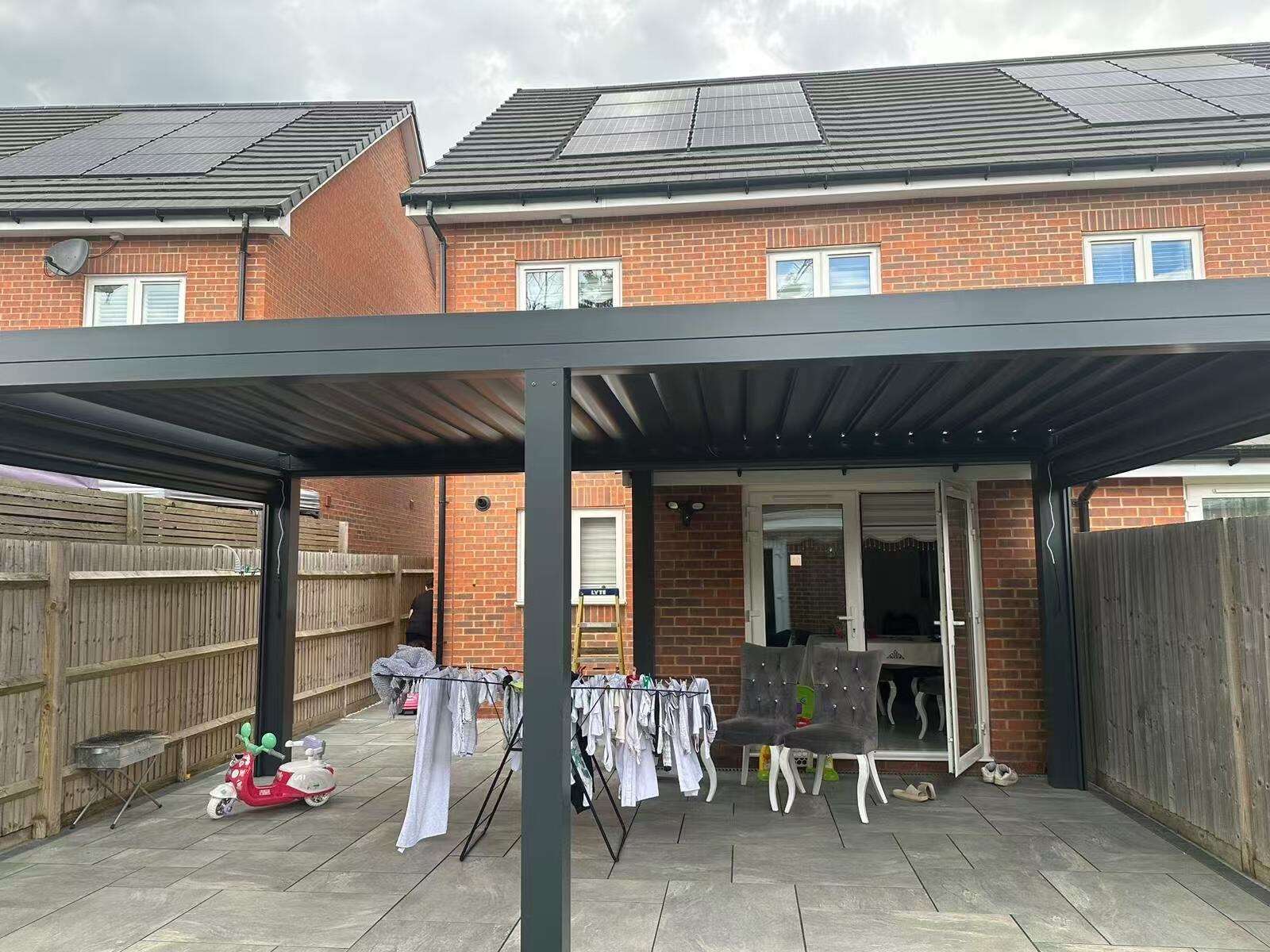
Climate variations across the United States significantly influence homeowners' decisions when selecting the perfect pergola for their outdoor spaces. From the humid subtropical regions of the Southeast to the arid deserts of the Southwest, each climate zone presents unique challenges and opportunities for pergola installation. Understanding these regional differences helps property owners make informed choices that ensure their outdoor structures withstand local weather conditions while providing optimal functionality and aesthetic appeal.

Regional Climate Considerations for Pergola Selection
Northeastern Climate Challenges
The northeastern United States experiences distinct seasonal changes that directly impact pergola durability and maintenance requirements. Winter temperatures frequently drop below freezing, while summers bring moderate heat and humidity levels. Snow loads become a critical factor when designing a pergola structure, as accumulated weight can stress the framework beyond its intended capacity. Property owners in states like New York, Vermont, and Maine must prioritize materials that resist freeze-thaw cycles and thermal expansion.
Aluminum and steel pergola frames often outperform wood alternatives in these harsh conditions due to their superior resistance to moisture penetration and temperature fluctuations. The pergola design should incorporate adequate structural support to handle snow accumulation, typically requiring closer beam spacing and reinforced connections. Additionally, retractable canopy systems prove beneficial in northeastern climates, allowing homeowners to remove fabric covers before winter storms arrive.
Southeastern Humidity and Storm Considerations
High humidity levels and frequent thunderstorms characterize the southeastern climate, creating specific requirements for pergola materials and installation methods. States like Florida, Georgia, and South Carolina experience year-round moisture exposure that accelerates corrosion and promotes mold growth on susceptible surfaces. A well-designed pergola must incorporate moisture-resistant materials and proper ventilation to prevent these issues.
Hurricane season brings additional challenges that influence pergola engineering requirements in coastal southeastern regions. Wind loads become paramount considerations, often necessitating deeper foundation systems and enhanced structural connections. Many homeowners opt for modular pergola designs that allow partial disassembly before severe weather events, protecting their investment while maintaining functionality during normal conditions.
Material Selection Based on Climate Zones
Metal Pergola Performance Across Regions
Aluminum pergola systems demonstrate exceptional versatility across diverse American climate zones due to their inherent corrosion resistance and structural stability. The lightweight nature of aluminum reduces foundation requirements while maintaining strength necessary for wind and snow load resistance. Powder coating treatments provide additional protection against ultraviolet radiation and salt air exposure in coastal environments.
Steel pergola frames offer superior strength for regions experiencing extreme weather conditions, though they require more aggressive corrosion protection measures. Galvanized steel with appropriate protective coatings performs well in northern climates where snow loads demand maximum structural integrity. The thermal mass of steel helps moderate temperature swings in desert regions, though proper insulation becomes necessary to prevent excessive heat transfer.
Wood Pergola Climate Adaptability
Natural wood pergola construction requires careful species selection based on regional climate patterns and exposure conditions. Cedar and redwood naturally resist moisture and insect damage, making them suitable choices for humid southeastern climates when properly maintained. However, these species may experience excessive drying and cracking in arid southwestern regions without regular treatment and protection.
Pressure-treated lumber provides enhanced durability across multiple climate zones, though chemical treatments may leach over time in high-rainfall areas. Regular maintenance schedules become more critical in extreme climates, with annual inspections and refinishing recommended for wood pergola systems exposed to harsh conditions. Composite lumber alternatives offer reduced maintenance requirements while maintaining natural wood aesthetics.
Design Adaptations for Extreme Weather
Desert Climate Modifications
Southwestern desert climates present unique challenges including intense solar radiation, minimal rainfall, and significant daily temperature variations. A pergola designed for these conditions must prioritize sun protection while accommodating thermal expansion and contraction cycles. Shade coverage becomes the primary functional requirement, often necessitating solid roof panels or dense fabric canopies.
Material selection in desert climates favors light colors that reflect solar radiation and minimize heat absorption. Aluminum frames with white or light-colored powder coating help maintain comfortable surface temperatures during peak sun exposure. Proper spacing between structural members allows natural convection cooling while maintaining adequate shade coverage throughout the day.
Coastal Environment Specifications
Salt air exposure along American coastlines accelerates corrosion processes and requires specialized material treatments for long-term pergola performance. Stainless steel hardware becomes essential for all connection points, while aluminum components need marine-grade anodizing or powder coating treatments. Regular washing with fresh water helps remove salt deposits that could otherwise compromise protective finishes.
Wind resistance takes precedence in coastal pergola design due to frequent storms and consistent onshore breezes. Foundation systems typically require deeper embedment or expanded footprint designs to resist uplift forces. Fabric canopy systems need reinforced attachment points and quick-release mechanisms to prevent damage during unexpected weather events.
Seasonal Functionality and Usage Patterns
Year-Round Pergola Utilization
Climate directly influences how homeowners utilize their pergola throughout different seasons, affecting design priorities and accessory selections. Northern regions may see limited winter use, making retractable features and easy maintenance access more important than cold-weather comfort amenities. Southern climates enable year-round outdoor entertaining, justifying investment in permanent lighting, heating, and cooling integration.
Pergola orientation becomes crucial for optimizing seasonal sun angles and prevailing wind patterns. East-west alignments provide maximum summer shade while allowing beneficial winter sun penetration in northern latitudes. North-south orientations work better in southern regions where year-round shade proves more valuable than seasonal heating benefits.
Climate-Responsive Accessories
Accessory selection varies significantly based on regional climate patterns and seasonal usage expectations. Heating elements like infrared panels or fire features extend pergola usability in cooler northern climates during shoulder seasons. Cooling systems including misting nozzles or ceiling fans become essential in hot southern and southwestern regions for summer comfort.
Lighting systems require weatherproofing appropriate to local conditions, with sealed LED fixtures preferred in high-humidity environments and UV-resistant materials necessary in high-altitude or desert locations. Electrical components need proper protection ratings for expected moisture exposure levels, with GFCI protection mandatory in all outdoor pergola installations regardless of climate zone.
Maintenance Requirements by Climate
Preventive Care Schedules
Maintenance frequency and specific tasks vary considerably based on local climate conditions affecting pergola longevity. Humid environments require more frequent cleaning and inspection cycles to prevent mold, mildew, and corrosion development. Monthly visual inspections during growing seasons help identify problems before they become structural issues requiring expensive repairs.
Dry climates necessitate different maintenance approaches focusing on thermal stress monitoring and joint inspection for expansion-related damage. Annual deep cleaning and protective coating renewal become standard practices in desert regions where dust accumulation and UV exposure accelerate material degradation. Lubrication of moving parts requires more frequent attention in sandy environments.
Seasonal Preparation Tasks
Pergola winterization procedures depend entirely on local climate severity and expected weather patterns. Northern installations require fabric removal, water system drainage, and structural inspection for snow load preparedness. Southern pergola maintenance focuses more on storm preparation and hurricane season readiness including securing loose components and trimming nearby vegetation.
Spring preparation varies by region but typically includes thorough cleaning, hardware tightening, and finish touch-ups after winter weather exposure. Desert climates may require summer preparation including shade system inspection and cooling component servicing before peak heat season arrives. Coastal installations need salt deposit removal and corrosion protection renewal as standard seasonal tasks.
FAQ
What pergola material works best in high-humidity climates
Aluminum and powder-coated steel pergola frames perform exceptionally well in high-humidity environments due to their natural corrosion resistance. These materials resist moisture penetration and mold growth better than wood alternatives. When selecting wood options for humid climates, choose naturally resistant species like cedar or redwood with proper sealing and regular maintenance schedules to prevent decay and insect damage.
How do snow loads affect pergola design in northern states
Snow accumulation creates significant structural demands requiring engineered pergola designs with appropriate load ratings for local conditions. Northern installations typically need closer beam spacing, reinforced connections, and stronger foundation systems compared to southern counterparts. Many homeowners choose retractable canopy systems that allow snow to fall through the framework, reducing structural stress while maintaining summer functionality.
Can the same pergola design work in both desert and coastal environments
While basic pergola frameworks may adapt to different climates, specific components and treatments must change to address unique environmental challenges. Desert installations prioritize sun protection and thermal expansion accommodation, while coastal pergola systems focus on corrosion resistance and wind load management. Material selection, hardware specifications, and protective treatments require customization for optimal performance in each environment.
How often should pergola maintenance occur in extreme climates
Extreme climate conditions accelerate wear and require more frequent maintenance compared to moderate environments. Coastal and high-humidity regions benefit from monthly inspections during active seasons, while desert climates need quarterly deep cleaning and annual protective coating renewal. Northern installations should undergo pre-winter and post-winter assessments to address freeze-thaw damage and prepare for seasonal transitions effectively.