EN
EN


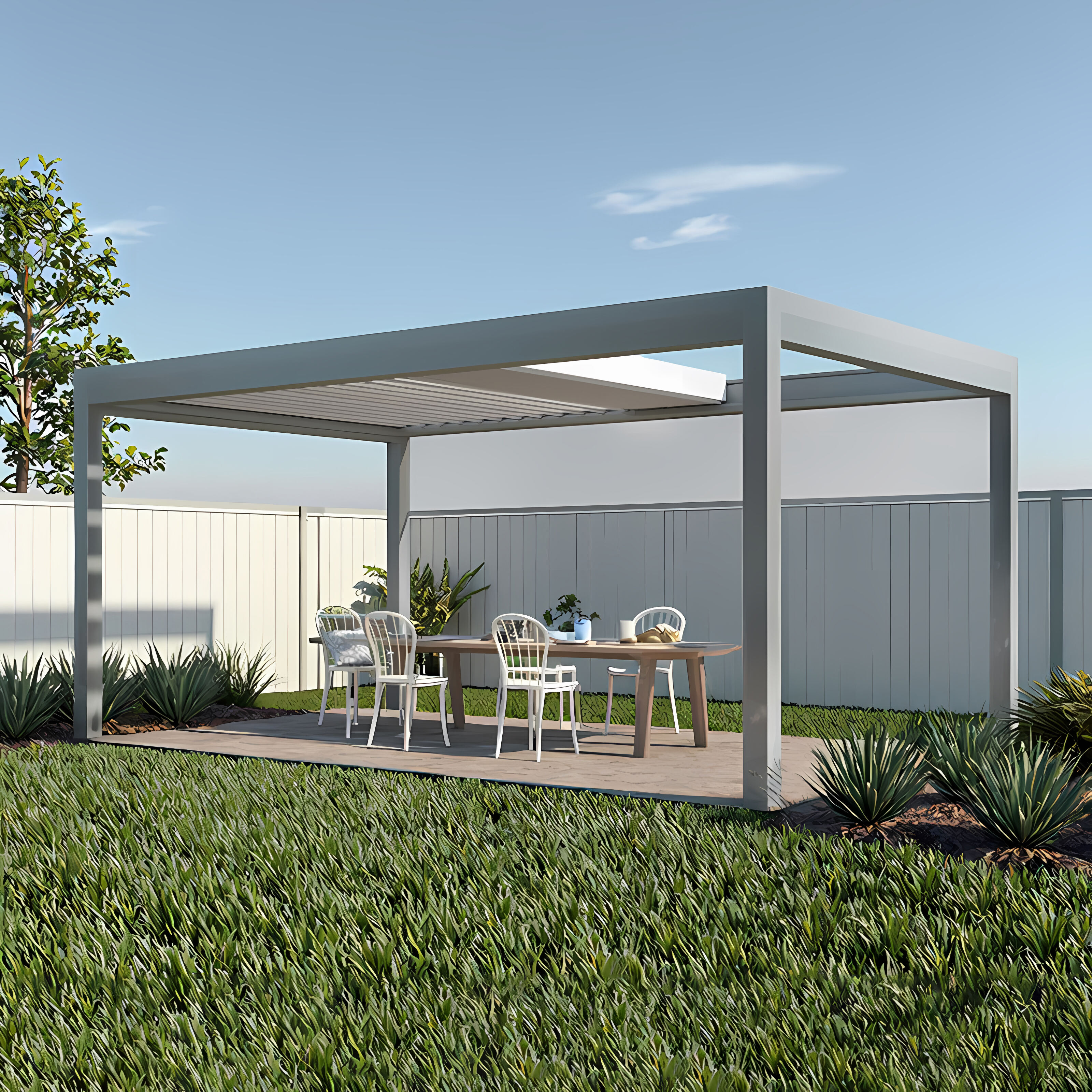
Modern outdoor living spaces demand versatility and convenience, which makes a retractable pergola an increasingly popular choice for homeowners and businesses alike. These innovative structures combine traditional pergola aesthetics with advanced engineering, allowing users to control shade coverage and weather protection at the touch of a button. Smart technology integration has revolutionized how we interact with outdoor structures, transforming a simple retractable pergola into an intelligent climate management system.
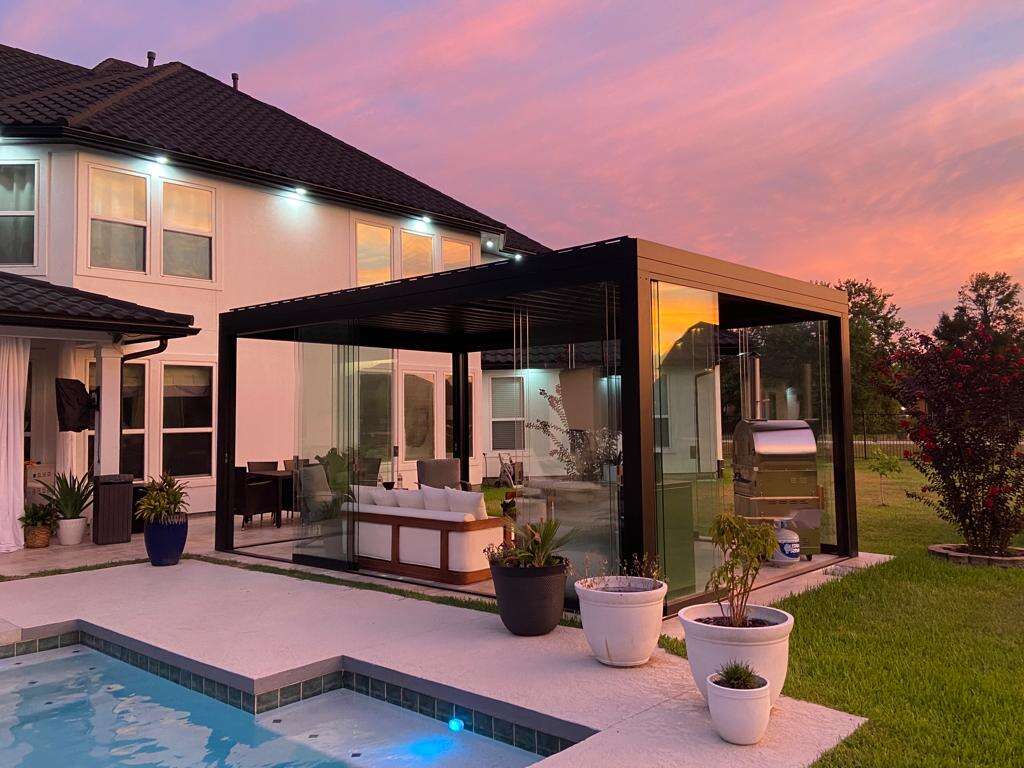
The integration of smart systems with outdoor pergolas represents a significant advancement in architectural design and user experience. Contemporary homeowners expect seamless automation that responds to environmental changes, schedules, and personal preferences. A retractable pergola equipped with intelligent controls can automatically adjust to weather conditions, providing optimal comfort while protecting outdoor furniture and electronics from harmful UV rays or sudden rainfall.
Understanding Retractable Pergola Mechanics
Basic Operational Framework
The fundamental operation of a retractable pergola relies on a sophisticated mechanical system that combines precision engineering with durable materials. The structure typically features aluminum or steel framework supporting retractable fabric canopies or louvered panels. Electric motors drive the opening and closing mechanisms, which can be activated through various control methods including wall-mounted switches, handheld remotes, or smartphone applications.
The motor system within a retractable pergola utilizes low-voltage DC motors that provide smooth, quiet operation while maintaining energy efficiency. These motors connect to telescoping arms or track systems that guide the retractable components along predetermined paths. Safety mechanisms prevent overextension and protect against wind damage, automatically retracting the pergola when wind speeds exceed safe thresholds.
Structural Components and Design
Premium pergola installations incorporate weather-resistant materials designed to withstand decades of outdoor exposure. Powder-coated aluminum frames resist corrosion while maintaining structural integrity under varying weather conditions. The retractable canopy materials range from high-grade outdoor fabrics to aluminum louvers, each offering distinct advantages in terms of light filtration, water resistance, and thermal properties.
The engineering behind a retractable pergola involves precise calculations for load distribution, wind resistance, and thermal expansion. Support posts must accommodate both static loads from the structure itself and dynamic loads from wind forces acting on extended canopies. Professional installation ensures proper anchoring and alignment, critical factors that determine long-term performance and user safety.
Smart System Integration Technologies
Sensor Networks and Environmental Monitoring
Advanced smart systems transform a standard retractable pergola into an intelligent outdoor environment manager through comprehensive sensor networks. Weather stations integrated into the system monitor wind speed, rainfall, temperature, and UV intensity in real-time. These sensors provide continuous data streams that enable automated responses to changing conditions, ensuring optimal comfort and protection without manual intervention.
Modern sensor technology includes photoelectric cells that measure ambient light levels, automatically adjusting canopy extension based on sun position and intensity. Temperature sensors work in conjunction with humidity monitors to create ideal microclimates beneath the pergola. Some systems incorporate air quality sensors that can trigger ventilation adjustments or alert users to environmental concerns.
Wireless Connectivity and Control Systems
Smart pergola systems leverage wireless connectivity protocols including WiFi, Zigbee, and Z-Wave to enable seamless integration with home automation platforms. Mobile applications provide comprehensive control interfaces allowing users to customize operation schedules, set automated responses, and monitor system status remotely. Voice control compatibility with systems like Amazon Alexa or Google Assistant adds another layer of convenience to retractable pergola operation.
The wireless architecture enables over-the-air software updates, ensuring that smart pergola systems remain current with the latest features and security protocols. Multi-zone control capabilities allow different sections of larger installations to operate independently, providing precise environmental control across expansive outdoor spaces. Integration with smart home ecosystems enables coordinated responses with outdoor lighting, irrigation systems, and climate control equipment.
Automated Response Mechanisms
Weather-Based Automation
Intelligent weather response represents one of the most valuable features of smart retractable pergola systems. Rain sensors trigger immediate canopy extension to protect outdoor furniture, electronics, and gathering spaces from unexpected precipitation. Advanced systems can interpret weather forecast data to preemptively adjust configurations, extending protection before storms arrive or retracting canopies ahead of high wind conditions.
Wind speed monitoring prevents damage by automatically retracting pergola components when gusts exceed safe operational limits. Some systems incorporate progressive response protocols, partially retracting canopies at moderate wind speeds before fully closing at higher velocities. This graduated approach maximizes usable outdoor time while maintaining safety standards and protecting expensive equipment from weather damage.
Schedule-Based Programming
Smart scheduling capabilities allow users to program their retractable pergola to operate according to daily routines, seasonal patterns, or special events. Morning extension schedules provide shade for breakfast areas, while evening programs can coordinate with outdoor entertainment activities. Seasonal adjustments account for changing sun angles and weather patterns, optimizing performance throughout the year.
Advanced programming options include vacation modes that simulate normal usage patterns for security purposes, energy conservation settings that minimize unnecessary operations, and maintenance reminders that alert users to routine service requirements. Custom event programming enables one-touch setup for parties, business meetings, or family gatherings, automatically configuring the optimal environment for specific activities.
Installation and Setup Considerations
Infrastructure Requirements
Successful smart retractable pergola installation requires careful planning of electrical and communication infrastructure. Power requirements typically include 120V AC supply for motor operation and low-voltage DC circuits for sensors and control systems. Professional electricians ensure proper circuit protection, weatherproof connections, and compliance with local electrical codes. Network infrastructure planning addresses WiFi coverage, signal strength, and potential interference sources.
Foundation requirements vary based on pergola size, local wind loads, and soil conditions. Concrete footings must provide adequate support while accommodating utility routing for power and communication cables. Professional site surveys identify optimal locations that balance functionality, aesthetics, and technical requirements. Proper drainage planning prevents water accumulation that could compromise electrical systems or structural integrity.
Professional Integration Services
Expert installation teams coordinate multiple trades including structural contractors, electricians, and automation specialists to ensure seamless system integration. Professional installers possess specialized knowledge of smart home protocols, weather sensor calibration, and safety system configuration. Comprehensive testing procedures verify all automated responses, manual overrides, and emergency protocols before system handover to end users.
Post-installation support includes user training, system optimization, and ongoing maintenance programs. Professional service providers offer remote monitoring capabilities, proactive maintenance alerts, and rapid response for technical issues. Warranty programs protect both equipment and installation quality, providing peace of mind for significant outdoor living investments.
Maintenance and Operational Benefits
Preventive Care Protocols
Smart retractable pergola systems incorporate self-diagnostic capabilities that monitor component health and alert users to maintenance requirements before problems develop. Motor current monitoring detects mechanical wear, while fabric tension sensors identify stretching or damage that could affect operation. Automated lubrication reminders ensure moving parts receive proper care, extending component life and maintaining smooth operation.
Weather exposure tracking helps optimize maintenance schedules based on actual environmental conditions rather than arbitrary time intervals. Systems that experience frequent rain or high UV exposure may require more frequent attention than those in protected environments. Smart maintenance scheduling reduces unnecessary service calls while preventing premature component failures through proper preventive care.
Energy Efficiency and Cost Savings
Intelligent operation of retractable pergola systems delivers significant energy savings through optimized shade management and reduced cooling loads. Strategic canopy deployment blocks solar heat gain during peak hours while allowing beneficial warming during cooler periods. Integration with HVAC systems enables coordinated responses that minimize energy consumption while maintaining comfort levels.
Long-term cost benefits include extended outdoor space utilization, reduced wear on outdoor furniture and equipment, and increased property values. Smart systems maximize the return on pergola investments by ensuring optimal performance and longevity. Automated operation eliminates the inconvenience and forgetting factors that often limit manual system effectiveness.
FAQ
How reliable are smart sensors in outdoor pergola applications
Modern smart sensors designed for outdoor pergola use undergo rigorous environmental testing to ensure reliable operation across temperature extremes, humidity variations, and UV exposure. Quality sensors feature weatherproof housings, corrosion-resistant components, and backup power systems that maintain functionality during brief power interruptions. Regular calibration and professional maintenance ensure consistent accuracy and responsiveness throughout the system's operational life.
Can existing pergolas be retrofitted with smart control systems
Many existing retractable pergola installations can be upgraded with smart control systems, though the extent of retrofit possibilities depends on the original design and available infrastructure. Manual systems may require motor installation, electrical upgrades, and sensor mounting modifications. Professional assessment determines retrofit feasibility and provides cost-effective upgrade paths that add smart functionality without complete system replacement.
What happens to smart pergola systems during power outages
Quality smart retractable pergola systems include battery backup systems and manual override capabilities that ensure continued operation during power outages. Emergency protocols automatically secure the system in safe positions when primary power fails. Manual crank handles or similar backup mechanisms allow users to adjust pergola positions without electrical power. Battery systems typically provide several hours of sensor operation and emergency positioning capability.
How do smart pergolas integrate with existing home automation systems
Smart pergola systems utilize standard automation protocols including Z-Wave, Zigbee, and WiFi connectivity that enable seamless integration with popular home automation platforms like SmartThings, Hubitat, and HomeKit. Professional installation includes configuration of communication protocols, scene programming, and coordinated responses with other automated systems. Custom programming enables complex automation scenarios that coordinate pergola operation with lighting, irrigation, security, and climate control systems.