EN
EN

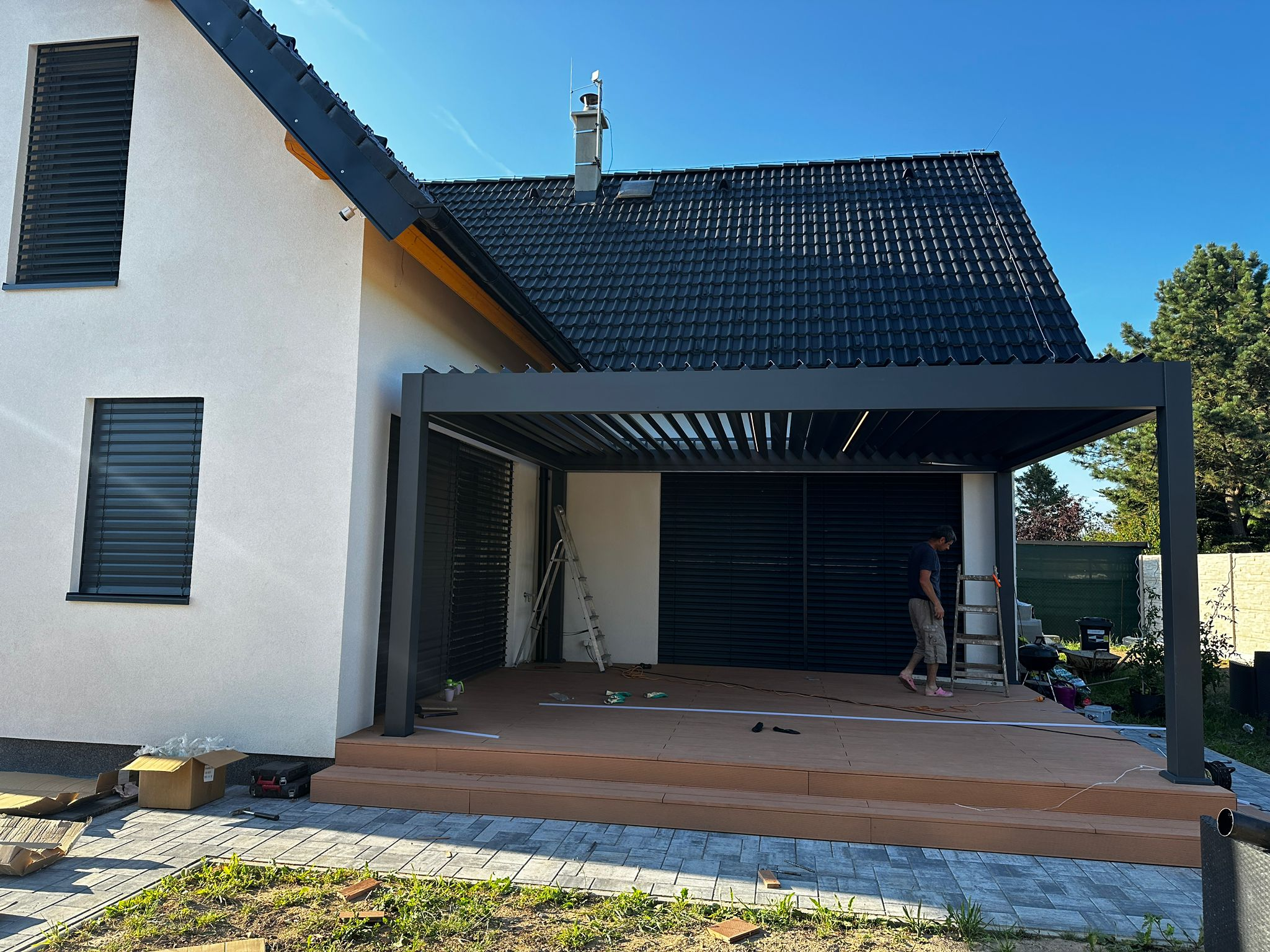
Transforming your outdoor living space into a year-round sanctuary requires strategic planning and thoughtful design choices. A well-designed pergola serves as the perfect foundation for creating an adaptable outdoor environment that seamlessly transitions through all four seasons. Modern homeowners increasingly recognize the value of investing in versatile outdoor structures that provide both aesthetic appeal and functional benefits throughout the year. The key to maximizing your pergola investment lies in understanding how different seasonal modifications can enhance comfort, protection, and usability regardless of weather conditions.
Creating a seasonal pergola customization strategy involves careful consideration of your local climate patterns, personal lifestyle preferences, and long-term maintenance requirements. Whether you're dealing with scorching summers, frigid winters, or unpredictable transitional seasons, the right modifications can transform your pergola into a comfortable retreat that extends your outdoor living season significantly. Professional installers and design experts consistently emphasize the importance of planning seasonal adaptations during the initial pergola construction phase to ensure seamless integration of various enhancement options.
Spring Pergola Enhancements for Fresh Beginnings
Flowering Vine Integration Systems
Spring represents the perfect opportunity to establish climbing plants that will provide natural beauty and seasonal shade coverage for your pergola structure. Popular flowering vines such as wisteria, clematis, and jasmine create stunning visual displays while offering practical benefits including natural cooling and privacy screening. These botanical additions require careful planning during the spring planting season to ensure proper root establishment before summer heat arrives. Professional landscape designers recommend installing sturdy wire support systems or decorative trellises during spring months to guide vine growth and prevent structural damage.
The integration of flowering vines with your pergola design requires understanding each plant species growth patterns, maintenance requirements, and seasonal characteristics. Some varieties provide spectacular spring blooms followed by dense summer foliage, while others offer year-round evergreen coverage with seasonal flowering periods. Proper vine selection depends on your specific climate zone, desired maintenance level, and aesthetic preferences for color combinations and growth density.
Weather Protection Upgrades
Spring weather patterns often include unpredictable rain showers and temperature fluctuations that require flexible protection solutions for your pergola area. Retractable canopy systems represent an excellent investment for spring customization, providing on-demand shelter from unexpected precipitation while allowing full sun exposure during pleasant weather conditions. These systems can be manually operated or equipped with automated sensors that respond to weather changes automatically.
Installing removable side panels during spring months creates windbreaks that extend comfortable outdoor usage during cooler evenings and breezy days. High-quality outdoor fabric panels can be easily attached and removed as weather conditions change, providing versatility without permanent structural modifications. Many homeowners choose neutral colors that complement their pergola finish while offering UV protection and weather resistance throughout multiple seasons.
Summer Cooling Solutions and Shade Enhancements
Advanced Shade Coverage Options
Summer pergola customization focuses primarily on maximizing shade coverage and cooling comfort during the hottest months of the year. Retractable shade sails offer flexible sun protection that can be adjusted throughout the day as sun angles change, providing optimal comfort for various outdoor activities. These modern shade solutions combine functional benefits with contemporary aesthetic appeal, available in numerous colors and materials to complement existing pergola designs.
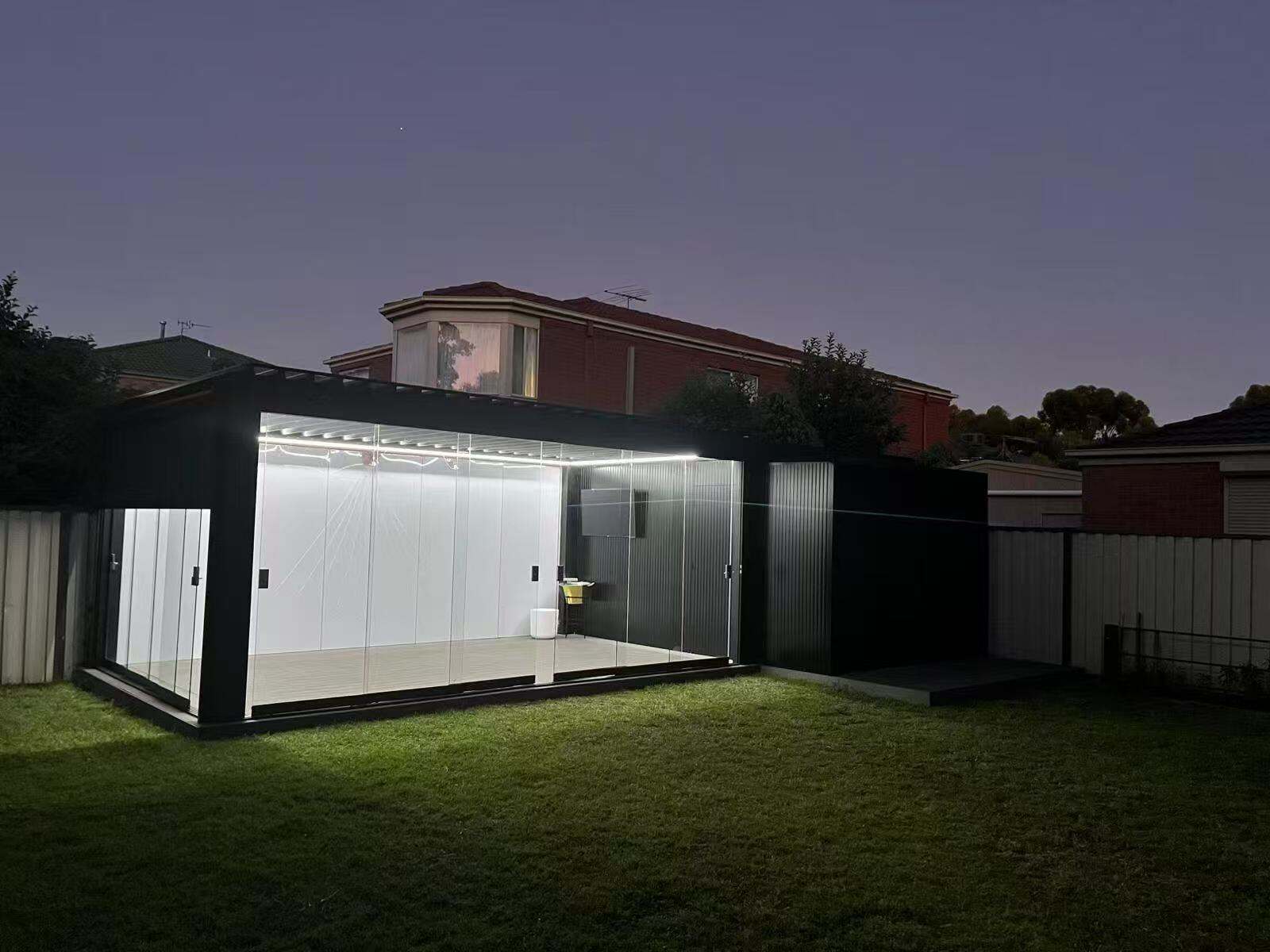
Louvered roof systems represent the pinnacle of summer pergola customization, offering precise control over sunlight exposure and ventilation rates. These adjustable systems allow users to fine-tune shade coverage from complete sun blocking to partial filtering, creating perfect conditions for outdoor dining, entertainment, or relaxation. Premium louvered systems include integrated drainage channels that handle unexpected summer storms while maintaining structural integrity and aesthetic appeal.
Cooling Technology Integration
Modern pergola customization includes innovative cooling technologies that significantly improve summer comfort levels without excessive energy consumption. Misting systems create refreshing microclimates that can reduce ambient temperatures by up to fifteen degrees, making outdoor spaces comfortable even during peak summer heat. These systems can be integrated discretely into pergola structures with minimal visual impact while providing substantial cooling benefits.
Ceiling fans designed specifically for outdoor pergola installation provide consistent air circulation that enhances natural cooling effects and reduces humidity levels. High-quality outdoor fans feature weather-resistant construction, variable speed controls, and integrated lighting systems that serve dual purposes throughout summer months. Strategic fan placement maximizes air movement while minimizing noise levels and energy consumption.
Autumn Preparation and Seasonal Transitions
Weather-Resistant Material Upgrades
Autumn pergola preparation involves assessing and upgrading materials that will face winter weather challenges while maintaining functionality throughout the transitional season. Weatherproofing treatments for wooden pergola components prevent moisture damage, warping, and premature aging that commonly occurs during autumn and winter months. Professional-grade sealants and stains provide long-lasting protection while enhancing natural wood grain appearance.
Installing storm-ready hardware and reinforcement systems during autumn months ensures your pergola structure can withstand winter weather conditions including heavy snow loads, ice accumulation, and strong wind forces. Structural engineers recommend evaluating pergola connections, foundation stability, and component integrity annually to identify potential weakness before severe weather arrives. Proactive maintenance during autumn months prevents costly repairs and extends overall pergola lifespan significantly.
Heating System Installation
Autumn represents the ideal timing for installing heating systems that extend comfortable outdoor usage well into winter months. Overhead infrared heaters provide efficient warmth without cluttering pergola floor space, creating cozy environments for autumn gatherings and early winter activities. These systems can be integrated with smart controls that automatically adjust heating levels based on ambient temperature conditions.
Fire features including built-in fire pits, portable fire bowls, or integrated fireplace systems create focal points that provide both heating and ambiance during cooler months. Safety considerations including proper clearances, ventilation requirements, and local building codes must be carefully evaluated when incorporating fire elements into pergola designs. Professional installation ensures compliance with safety regulations while maximizing heating efficiency and aesthetic integration.
Winter Protection and Cold-Weather Adaptations
Enclosure Systems for Winter Use
Winter pergola customization often involves creating semi-enclosed or fully enclosed spaces that maintain outdoor connection while providing protection from harsh weather conditions. Clear vinyl panels or tempered glass enclosures allow natural light penetration while blocking wind, snow, and freezing temperatures. These systems can be designed for seasonal installation and removal, providing flexibility for different weather conditions and usage patterns.
Insulated panel systems offer superior thermal performance for pergola enclosures intended for regular winter use. These advanced systems include integrated ventilation controls, condensation management, and thermal breaks that prevent heat loss while maintaining structural integrity. Professional installation ensures proper sealing and weather resistance that protects both occupants and pergola structure throughout winter months.
Snow Load Management
Regions experiencing significant snowfall require special pergola modifications to handle additional structural loads safely throughout winter months. Snow guards and ice dams prevention systems protect both pergola structure and surrounding areas from sudden snow releases that could cause property damage or personal injury. These safety systems require professional engineering evaluation to ensure adequate load capacity and proper installation techniques.
Heated roof systems represent premium winter customization options that automatically prevent snow and ice accumulation while maintaining year-round pergola accessibility. Radiant heating elements integrated into pergola roofing materials provide efficient snow melting without excessive energy consumption. These systems require professional electrical installation and ongoing maintenance to ensure safe operation throughout winter seasons.
Year-Round Lighting and Electrical Considerations
Seasonal Lighting Design
Effective pergola lighting systems adapt to seasonal changes in daylight hours and outdoor usage patterns while providing safety, security, and ambiance throughout the year. Layered lighting approaches combine ambient, task, and accent lighting elements that can be controlled independently to create appropriate atmospheres for different seasons and activities. LED technology offers energy efficiency, longevity, and color temperature flexibility that enhances seasonal customization options.
Smart lighting controls enable automatic seasonal adjustments based on sunset times, weather conditions, and usage schedules. These systems can gradually adjust lighting intensity and color temperature to complement natural seasonal changes while providing consistent safety illumination. Integration with home automation systems allows remote control and monitoring of pergola lighting from indoor locations during extreme weather conditions.
Power Distribution and Weather Protection
Year-round pergola customization requires robust electrical infrastructure that safely powers various seasonal enhancements including lighting, heating, cooling, and entertainment systems. Weather-resistant electrical panels and GFCI protection ensure safe operation under all seasonal conditions while meeting local electrical code requirements. Professional electrical installation prevents safety hazards and ensures reliable power distribution for multiple pergola enhancement systems.
Integrated cable management systems maintain clean aesthetic appearance while protecting electrical connections from weather exposure and physical damage. Underground conduit systems provide permanent power distribution that supports seasonal equipment changes without exposed wiring or temporary connections. These systems accommodate future expansion needs while maintaining safety and reliability standards throughout multiple seasonal transitions.
Material Selection for Multi-Season Durability
Weather-Resistant Construction Materials
Selecting appropriate materials for seasonal pergola customization requires understanding how different substances respond to temperature fluctuations, moisture exposure, UV radiation, and mechanical stress throughout annual weather cycles. Aluminum pergola frames offer superior corrosion resistance and thermal stability compared to traditional wood construction, maintaining structural integrity and appearance through multiple seasonal transitions without extensive maintenance requirements.
Composite materials combine natural aesthetics with enhanced durability characteristics that resist warping, splitting, and fading associated with seasonal weather exposure. These engineered materials maintain consistent performance throughout temperature extremes while offering design flexibility and reduced maintenance compared to natural alternatives. Professional installers recommend composite options for pergola components exposed to direct weather impact including beams, posts, and decorative elements.
Fabric and Covering Materials
Seasonal pergola coverings require specialized fabrics engineered to withstand UV exposure, temperature fluctuations, wind loads, and precipitation while maintaining appearance and functionality over multiple seasons. Marine-grade fabrics offer exceptional durability and weather resistance derived from nautical applications where material failure can have serious consequences. These high-performance textiles provide superior longevity compared to standard outdoor fabrics.
Retractable covering systems benefit from advanced fabric technologies including water-resistant coatings, anti-microbial treatments, and fade-resistant pigments that maintain performance and appearance throughout seasonal exposure. Professional fabric selection considers local climate conditions, pergola orientation, and intended usage patterns to optimize material performance and longevity. Quality fabric investments provide superior value through extended replacement intervals and consistent performance.
Maintenance Strategies for Seasonal Transitions
Preventive Care Schedules
Successful pergola customization for seasonal use requires implementing comprehensive maintenance schedules that address different system components throughout annual cycles. Spring maintenance focuses on cleaning, inspection, and preparation activities that ensure optimal performance during high-usage summer months. These activities include power washing surfaces, lubricating moving components, testing electrical systems, and evaluating structural connections for winter damage.
Autumn maintenance emphasizes weatherization and protection activities that prepare pergola systems for winter conditions while addressing wear accumulated during summer usage. Professional maintenance recommendations include sealing treatments, hardware tightening, drainage system cleaning, and seasonal equipment storage procedures that prevent damage during periods of reduced usage or extreme weather exposure.
Component Protection Strategies
Protecting seasonal pergola enhancements during periods of non-use extends component lifespan while reducing replacement costs and maintenance requirements. Removable elements including cushions, fabric panels, and electronic components benefit from proper storage in climate-controlled environments that prevent moisture damage, temperature stress, and pest infiltration. Professional storage recommendations include cleaning procedures, protective coverings, and environmental controls.
Permanent pergola installations require ongoing protection strategies including regular inspections, preventive treatments, and timely repairs that address minor issues before they develop into major problems. Quality protection programs include professional evaluations, manufacturer warranty compliance, and documentation systems that track maintenance history and component performance over multiple seasonal cycles.
FAQ
What are the most cost-effective seasonal customization options for a pergola
The most budget-friendly seasonal pergola modifications include removable fabric panels for wind protection, string lighting for ambiance, and climbing plants for natural shade coverage. These options provide significant seasonal benefits without requiring permanent structural modifications or professional installation. Retractable shade sails and portable heating elements offer excellent value for extending seasonal usage while maintaining flexibility for different weather conditions and activities.
How do I winterize my pergola to prevent damage from snow and ice
Winter pergola protection involves removing fabric coverings that could trap snow, ensuring proper drainage to prevent ice formation, and applying protective treatments to exposed materials. For regions with heavy snowfall, consider installing temporary support structures to distribute snow loads safely. Regular snow removal prevents excessive accumulation while periodic inspections identify potential issues before they cause structural damage or safety hazards.
Can I install heating systems in my pergola for year-round use
Yes, various heating systems can be safely integrated into pergola designs including overhead infrared heaters, built-in fire features, and radiant heating elements. Professional installation ensures compliance with local building codes and safety regulations while optimizing heating efficiency and aesthetic integration. Electric heaters offer convenience and precise control, while gas-powered options provide higher heat output for larger spaces or extreme cold conditions.
What maintenance is required for seasonal pergola customizations
Seasonal pergola maintenance includes regular cleaning of all components, inspection of moving parts and connections, treatment of exposed materials with weather-resistant coatings, and proper storage of removable elements during off-seasons. Professional maintenance schedules typically include spring preparation activities, summer performance monitoring, autumn weatherization procedures, and winter protection measures that ensure long-term system reliability and appearance quality.
Table of Contents
- Spring Pergola Enhancements for Fresh Beginnings
- Summer Cooling Solutions and Shade Enhancements
- Autumn Preparation and Seasonal Transitions
- Winter Protection and Cold-Weather Adaptations
- Year-Round Lighting and Electrical Considerations
- Material Selection for Multi-Season Durability
- Maintenance Strategies for Seasonal Transitions
- FAQ