EN
EN
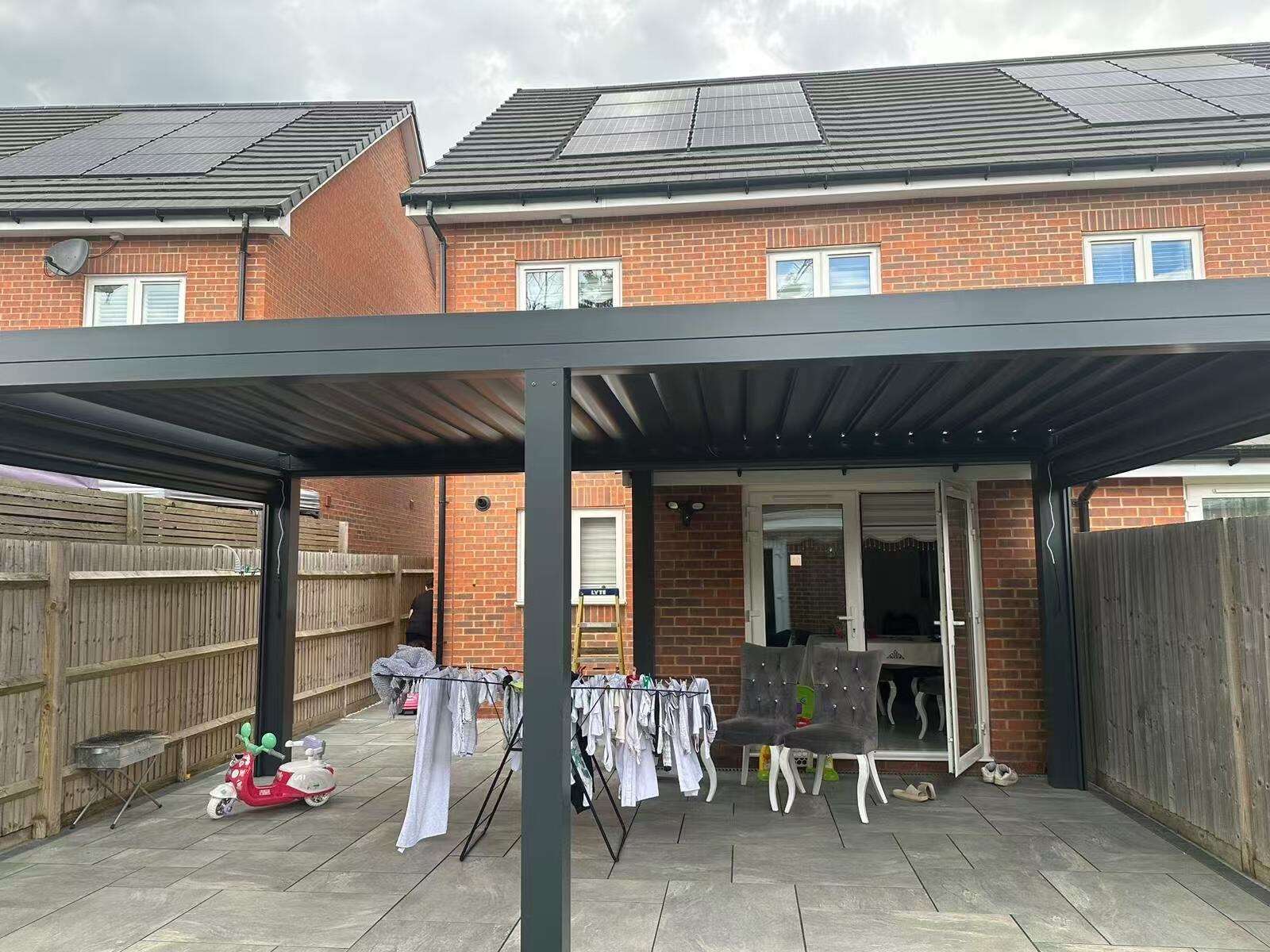
When homeowners consider adding outdoor structures to their property, maintenance requirements often become a primary concern. A pergola represents one of the most attractive and functional additions to any outdoor space, offering shade, aesthetic appeal, and increased property value. Understanding the long-term care requirements of these structures helps property owners make informed decisions about their outdoor investments.
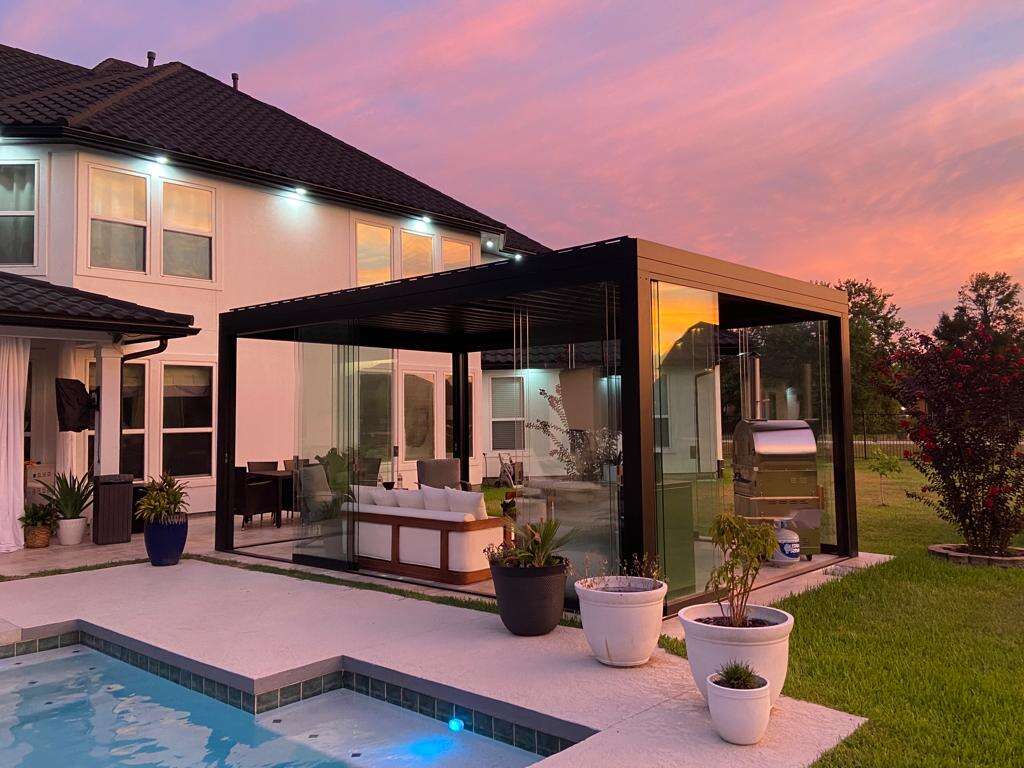
The maintenance demands of a pergola largely depend on the materials used in construction, environmental conditions, and the quality of initial installation. Modern pergola designs incorporate various materials ranging from traditional wood to contemporary aluminum and composite materials. Each material type presents distinct maintenance characteristics that influence the overall care requirements throughout the structure's lifespan.
Environmental factors play a crucial role in determining maintenance frequency and intensity. Coastal areas with salt air exposure require different care approaches compared to inland locations with varying seasonal conditions. Understanding these environmental impacts helps homeowners develop appropriate maintenance schedules and select suitable materials for their specific climate conditions.
Material Selection Impact on Maintenance Requirements
Wood Pergola Maintenance Considerations
Traditional wooden pergola structures require the most comprehensive maintenance approach among available material options. Wood naturally weathers and requires regular treatment to maintain structural integrity and aesthetic appeal. Annual staining or sealing protects the wood from moisture infiltration, preventing rot and insect damage that could compromise the structure's longevity.
Cedar and redwood offer natural resistance to insects and decay, reducing some maintenance requirements compared to pressure-treated lumber. However, even these premium wood species benefit from periodic protective treatments to maintain their appearance and extend their service life. Regular inspection for loose fasteners, cracked boards, or signs of pest activity ensures early detection of potential issues.
Cleaning wooden pergola structures involves gentle washing with mild detergent solutions to remove accumulated dirt, mildew, and organic debris. Power washing should be approached cautiously to avoid damaging the wood surface or forcing water into joints where it could cause future problems.
Aluminum and Metal Pergola Care
Aluminum pergola systems represent the lowest maintenance option for most homeowners. These structures resist rust, corrosion, and insect damage while maintaining structural integrity across various weather conditions. Routine cleaning with soap and water typically suffices to maintain the appearance of aluminum pergola installations.
Powder-coated aluminum finishes provide additional protection and color retention, though they may require occasional touch-up in high-wear areas or locations subject to physical damage. The modular nature of many aluminum pergola systems allows for easy replacement of individual components if damage occurs.
Steel pergola structures require more attention to prevent rust formation, particularly in humid or coastal environments. Regular inspection and prompt treatment of any surface damage helps prevent corrosion from spreading and compromising structural elements.
Seasonal Maintenance Protocols
Spring Preparation and Assessment
Spring represents the ideal time for comprehensive pergola inspection and maintenance activities. Winter weather conditions often reveal potential issues that require attention before the primary outdoor season begins. Examining all structural connections, fasteners, and joint integrity ensures safe operation throughout the coming months.
Cleaning accumulated debris from roof areas and drainage systems prevents water damage and ensures proper function during spring rain events. This seasonal cleaning also provides an opportunity to assess the condition of any integrated lighting, electrical systems, or mechanical components such as retractable canopies.
Spring maintenance activities should include checking and tightening all hardware connections, as thermal expansion and contraction throughout winter months can loosen fasteners. A pergola with properly maintained connections operates safely and maintains structural integrity across all weather conditions.
Summer Care and Protection
Summer months typically require minimal maintenance for most pergola installations, focusing primarily on cleaning and aesthetic upkeep. Regular removal of leaves, debris, and organic matter prevents staining and reduces pest attraction to the structure area.
Integrated shade systems, retractable canopies, or climbing plants may require additional attention during peak growing and usage seasons. Proper plant management prevents excessive growth from damaging structural elements while maintaining the desired aesthetic and functional characteristics.
Monitoring drainage systems becomes particularly important during summer thunderstorm seasons, ensuring water flows properly away from the structure and doesn't accumulate in areas where it could cause damage over time.
Long-term Durability Factors
Quality Installation Foundation
The foundation and initial installation quality significantly impact long-term maintenance requirements for any pergola installation. Properly installed structures with adequate footings, appropriate hardware, and correct assembly procedures require substantially less maintenance than poorly installed alternatives.
Professional installation ensures compliance with local building codes, proper structural engineering principles, and manufacturer specifications. This professional approach minimizes future maintenance issues and extends the overall service life of the pergola structure.
Quality installation includes proper drainage considerations, appropriate material selection for local climate conditions, and integration with existing landscape and architectural elements. These factors contribute to reduced maintenance requirements and enhanced long-term performance.
Component Quality and Replacement
High-quality components typically require less frequent replacement and maintenance compared to economy alternatives. Stainless steel fasteners, quality hardware, and properly treated materials resist environmental degradation and maintain performance characteristics longer than cheaper alternatives.
Understanding the expected lifespan of various pergola components helps homeowners plan for future maintenance and replacement needs. Some elements, such as fabric canopies or decorative accessories, may require more frequent replacement than structural components.
Maintaining spare parts inventory for commonly replaced items ensures quick repairs when needed and prevents extended periods when the pergola structure cannot be fully utilized due to component failure.
Cost-Effective Maintenance Strategies
Preventive Care Approaches
Implementing preventive maintenance strategies significantly reduces long-term costs associated with pergola ownership. Regular cleaning, timely repairs, and proactive component replacement prevent minor issues from developing into major problems requiring extensive remediation.
Establishing routine maintenance schedules based on manufacturer recommendations and local environmental conditions ensures consistent care without excessive time investment. Simple monthly inspections can identify developing issues before they require expensive repairs or component replacement.
Documenting maintenance activities and component conditions helps track the pergola's condition over time and identifies patterns that may indicate underlying issues requiring attention. This systematic approach to maintenance management reduces overall ownership costs.
Professional vs DIY Maintenance
Many pergola maintenance tasks can be accomplished by homeowners with basic tools and skills, reducing ongoing ownership costs. Simple cleaning, minor adjustments, and routine inspections typically fall within most homeowners' capabilities without requiring professional assistance.
However, structural repairs, electrical system maintenance, and complex component replacement often benefit from professional expertise. Understanding which tasks require professional intervention helps homeowners balance cost savings with safety and quality considerations.
Professional maintenance services can provide comprehensive annual inspections and major maintenance activities while homeowners handle routine care tasks. This hybrid approach optimizes both cost efficiency and maintenance quality for pergola ownership.
Environmental Considerations and Adaptations
Climate-Specific Maintenance Needs
Different climate zones present unique challenges for pergola maintenance and longevity. Coastal environments require attention to salt air corrosion, while desert climates demand consideration of UV exposure and thermal expansion effects on structural materials.
Snow loading in northern climates may necessitate seasonal structural assessments and potential component reinforcement to handle additional weight during winter months. Understanding these regional requirements helps homeowners select appropriate materials and maintenance approaches.
Extreme weather events such as hurricanes, tornadoes, or severe thunderstorms may require special preparation and post-event inspection procedures to ensure continued safe operation of pergola structures.
Integration with Landscape Elements
Pergola structures often integrate with landscape elements such as climbing plants, outdoor lighting, and water features that influence maintenance requirements. Managing plant growth prevents damage to structural elements while maintaining desired aesthetic characteristics.
Irrigation systems near pergola installations require careful management to prevent water damage to structural elements while maintaining healthy plant growth. Proper drainage design prevents water accumulation that could lead to foundation settling or structural issues.
Integrated lighting and electrical systems require periodic inspection and maintenance to ensure safe operation and prevent damage from weather exposure or pest activity within the pergola structure.
FAQ
How often should I clean my pergola
Most pergola structures benefit from monthly cleaning during active outdoor seasons, with more thorough cleaning performed seasonally. Aluminum and composite materials typically require only soap and water cleaning, while wooden structures may need specialized cleaners to prevent damage. Environmental factors such as coastal salt air or heavy tree coverage may necessitate more frequent cleaning to maintain appearance and prevent long-term damage.
What are the most common pergola maintenance issues
The most frequent maintenance concerns include loose fasteners due to thermal expansion, accumulated debris in drainage areas, and wear on moving components such as retractable canopies. Wooden pergola structures commonly experience issues with staining, minor rot in high-moisture areas, and insect damage if not properly treated. Regular inspection helps identify these issues before they become major problems requiring extensive repairs.
Can I perform pergola maintenance myself
Many pergola maintenance tasks are well-suited for DIY completion, including routine cleaning, hardware tightening, and minor repairs. Basic maintenance activities require only common household tools and can be safely performed by most homeowners. However, structural repairs, electrical system work, and major component replacement often benefit from professional expertise to ensure safety and maintain manufacturer warranties.
How long should a well-maintained pergola last
A properly maintained pergola can provide decades of service, with aluminum structures often lasting 25-30 years or more with minimal maintenance. High-quality wooden pergola installations typically last 15-20 years with regular care, though premium materials like cedar or redwood may extend this lifespan considerably. The key factors influencing longevity include material quality, installation excellence, environmental conditions, and consistency of maintenance practices throughout the structure's service life.