EN
EN


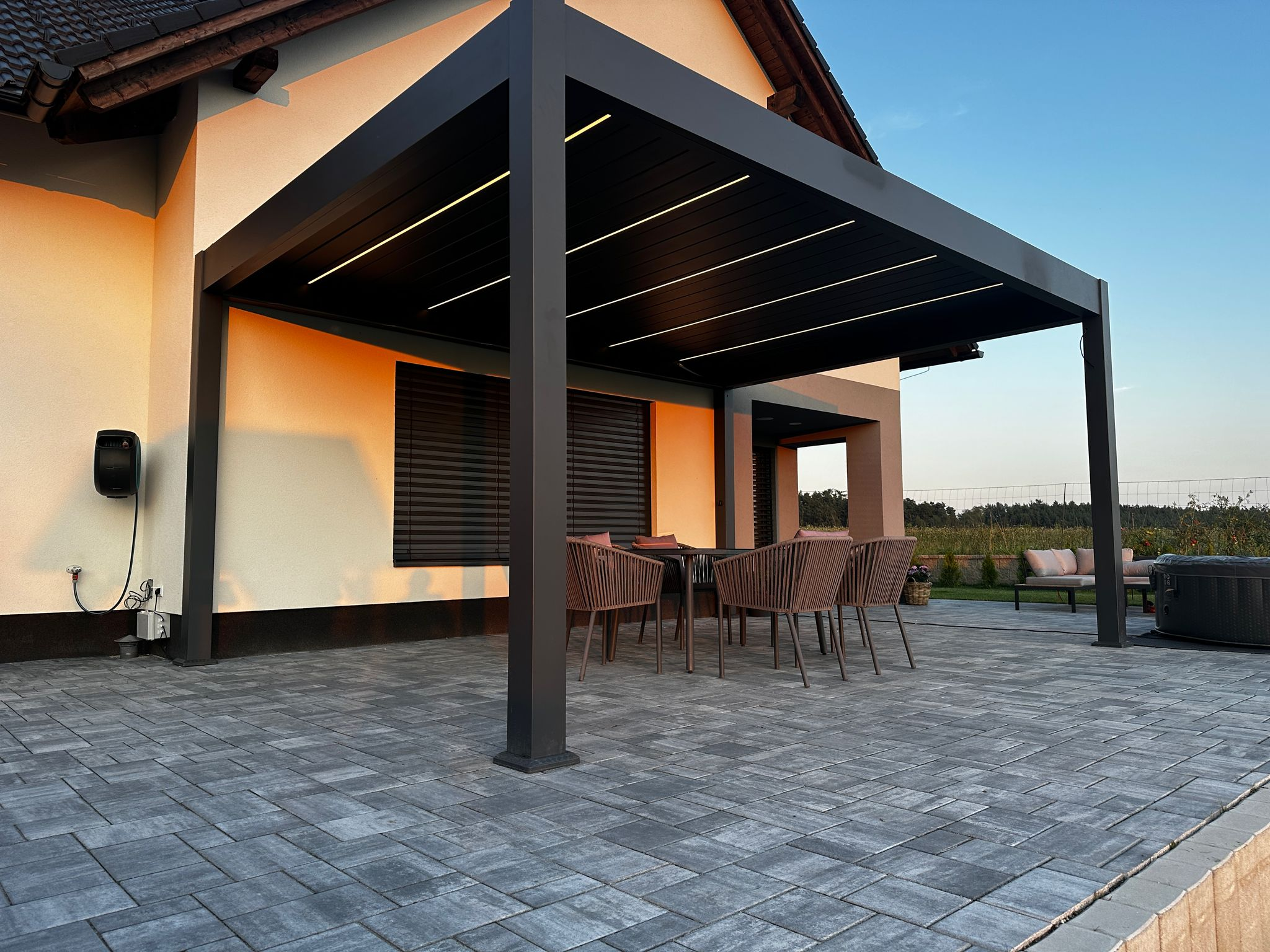
Modern outdoor living has evolved significantly, with homeowners seeking versatile structures that enhance both functionality and aesthetics. The pergola has emerged as one of the most popular architectural elements for creating defined outdoor spaces that seamlessly blend indoor comfort with natural beauty. These elegant structures offer endless possibilities for transforming backyards, patios, and gardens into functional extensions of the home while providing protection from the elements and creating intimate gathering spaces.
Creating Outdoor Dining Experiences
Establishing Restaurant-Quality Al Fresco Dining
The pergola serves as an ideal framework for creating sophisticated outdoor dining areas that rival the ambiance of upscale restaurants. By installing overhead lighting, ceiling fans, and weather-resistant furnishings beneath a well-designed pergola, homeowners can establish year-round dining spaces that accommodate both intimate family meals and large-scale entertainment. The partial shade provided by pergola beams creates comfortable dining conditions even during peak sun hours while maintaining an open-air atmosphere.
Strategic placement of a pergola over existing patios or decks instantly transforms these spaces into dedicated dining rooms. The structured overhead canopy defines the dining zone while providing mounting points for chandeliers, string lights, or pendant fixtures that create warm evening ambiance. Many homeowners integrate outdoor kitchens, built-in seating, and fire features within pergola-covered areas to maximize functionality and create resort-style entertaining spaces.
Seasonal Dining Adaptability
One of the most valuable aspects of pergola dining areas is their adaptability to changing seasons and weather conditions. During summer months, climbing vines or retractable canopies can be added to pergola structures to provide additional shade and cooling. In cooler seasons, outdoor heaters, fire bowls, and enclosed sides can transform the same pergola space into a cozy winter dining retreat that extends the outdoor entertaining season.
The open design of a pergola allows for natural ventilation while still providing enough overhead coverage to protect diners from light rain or intense sun. This versatility makes pergola dining areas functional throughout most of the year, maximizing the return on investment and increasing the usable square footage of outdoor living spaces.
Enhancing Garden and Landscape Design
Creating Focal Points and Visual Interest
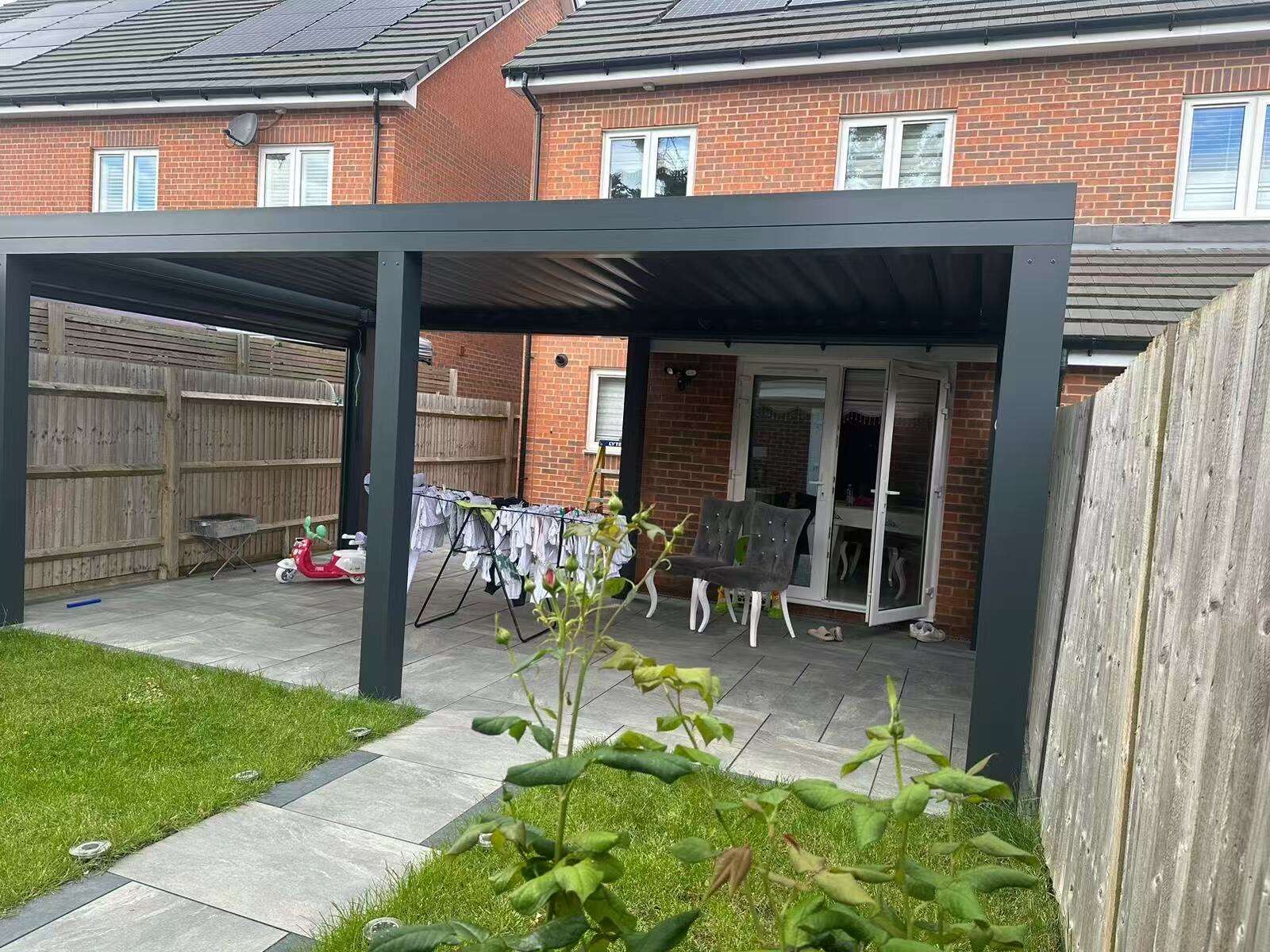
A thoughtfully positioned pergola becomes an instant architectural focal point that adds vertical dimension and structural interest to landscape designs. These structures create natural gathering spots within gardens while providing frameworks for climbing plants, seasonal decorations, and artistic elements. The geometric lines of a pergola contrast beautifully with organic garden shapes, creating visual balance and sophisticated design composition.
Garden pergolas serve as transition elements between different landscape zones, helping to organize large outdoor spaces into distinct functional areas. They can mark the entrance to secret gardens, frame scenic views, or create intimate seating nooks within larger landscape designs. The pergola structure provides both immediate visual impact and long-term design flexibility as plantings mature and garden themes evolve.
Supporting Vertical Gardening and Plant Growth
The framework design of a pergola makes it an excellent support system for climbing plants, vines, and vertical gardens. Popular pergola plants include wisteria, grape vines, jasmine, and climbing roses, which transform bare structures into living canopies that provide natural shade and seasonal color changes. This integration of architecture and horticulture creates dynamic outdoor spaces that evolve throughout the growing season.
Beyond traditional climbing plants, modern pergola designs can incorporate hanging gardens, vertical planters, and integrated irrigation systems that maximize growing space in compact areas. This pergola gardening approach is particularly valuable in urban settings where ground space is limited but vertical growing opportunities are abundant.
Providing Shade and Weather Protection
Customizable Shade Solutions
Modern pergola designs offer numerous options for customizing shade coverage based on specific climate needs and personal preferences. Retractable canopies, adjustable louvers, and removable shade cloths allow pergola owners to control sun exposure throughout the day and across seasons. These flexible shading systems make pergola spaces comfortable during peak sun hours while maintaining the option for full sun exposure when desired.
The partial shade created by standard pergola beam spacing provides comfortable conditions for most outdoor activities while still allowing enough light for plant growth and natural illumination. This balanced approach to sun protection makes pergola spaces ideal for reading, working, or relaxing during daytime hours without the complete enclosure of solid roofing systems.
Weather Resistance and Durability
Quality pergola construction provides reliable weather protection while maintaining the open-air feel that makes outdoor spaces appealing. Wind-resistant designs and proper anchoring systems ensure pergola stability during storms, while drainage features and ventilation prevent moisture buildup that could damage furnishings or create uncomfortable conditions.
The elevated design of pergola structures promotes air circulation that helps regulate temperature and humidity levels in covered areas. This natural climate control makes pergola spaces more comfortable than ground-level patios during hot weather while providing enough protection from light precipitation to extend outdoor enjoyment during variable weather conditions.
Increasing Property Value and Curb Appeal
Architectural Enhancement and Home Value
Professional pergola installations typically provide excellent return on investment by increasing both the functional square footage and aesthetic appeal of residential properties. Real estate professionals consistently identify well-designed outdoor living spaces as highly desirable features that attract buyers and justify premium pricing. A quality pergola demonstrates thoughtful property development and suggests ongoing maintenance commitment that appeals to discriminating buyers.
The architectural impact of a pergola extends beyond the immediate structure to enhance the overall appearance and perceived value of the entire property. These installations suggest sophisticated lifestyle priorities and attention to design detail that resonates with buyers seeking move-in ready homes with premium outdoor amenities.
Market Differentiation and Competitive Advantage
In competitive real estate markets, pergola installations help properties stand out from similar listings by offering unique outdoor living features that cannot be easily replicated. The combination of functionality, beauty, and lifestyle enhancement provided by pergola spaces creates memorable impressions that influence buying decisions and support premium pricing strategies.
Modern pergola designs can be customized to complement existing architectural styles while adding contemporary functionality that appeals to current market preferences for indoor-outdoor living. This balance of classic appeal and modern convenience makes pergola installations valuable long-term property improvements that remain attractive across changing design trends.
Versatile Entertainment and Recreation Spaces
Multi-Purpose Activity Areas
The open yet defined space beneath a pergola creates ideal conditions for diverse recreational activities and entertainment functions. These structures can easily accommodate outdoor furniture arrangements for different activities, from yoga and exercise sessions to game nights and social gatherings. The overhead framework provides mounting points for entertainment equipment, lighting systems, and decorative elements that enhance activity-specific ambiance.
Pergola spaces work particularly well for activities that benefit from partial shade and weather protection while maintaining connection to the outdoor environment. Reading nooks, art studios, and workspace areas flourish under pergola coverage, providing comfortable conditions for extended activities while preserving the mental health benefits of outdoor exposure.
Event Hosting and Social Gatherings
The structured yet open design of pergola spaces makes them ideal venues for hosting various types of social events and celebrations. Wedding ceremonies, birthday parties, and holiday gatherings benefit from the defined space and architectural interest that pergola structures provide while maintaining the natural beauty and spaciousness of outdoor settings.
The framework design of a pergola allows for easy decoration and customization for special events, with built-in attachment points for lighting, fabric draping, and seasonal decorations. This flexibility makes pergola spaces valuable assets for families who enjoy entertaining and hosting memorable outdoor celebrations throughout the year.
FAQ
What size pergola is best for most residential applications
The optimal pergola size depends on the intended use and available space, but most residential installations range from 10x10 feet to 16x20 feet. Smaller pergolas work well for intimate seating areas or garden accents, while larger structures can accommodate dining tables and multiple activity zones. Consider both current needs and future expansion possibilities when selecting pergola dimensions.
How much maintenance does a pergola require annually
Pergola maintenance requirements vary significantly based on material choice and climate conditions. Wood pergolas typically require annual cleaning, staining, or sealing, while aluminum and vinyl options need only periodic washing. Regular inspection of structural connections and hardware ensures long-term safety and performance regardless of material selection.
Can pergolas be installed on existing patios or decks
Most pergolas can be successfully installed over existing hardscaped areas with proper foundation assessment and anchoring systems. Concrete patios and wooden decks often provide adequate support for pergola structures when appropriate mounting hardware and reinforcement techniques are employed. Professional evaluation ensures safe installation and optimal structural performance.
What permits or approvals are needed for pergola construction
Pergola permit requirements vary by location and structure size, with many jurisdictions allowing smaller installations without formal permits. However, larger or permanently attached pergola structures often require building permits and compliance with local setback requirements. Consulting with local building departments before installation prevents costly modifications and ensures regulatory compliance.