EN
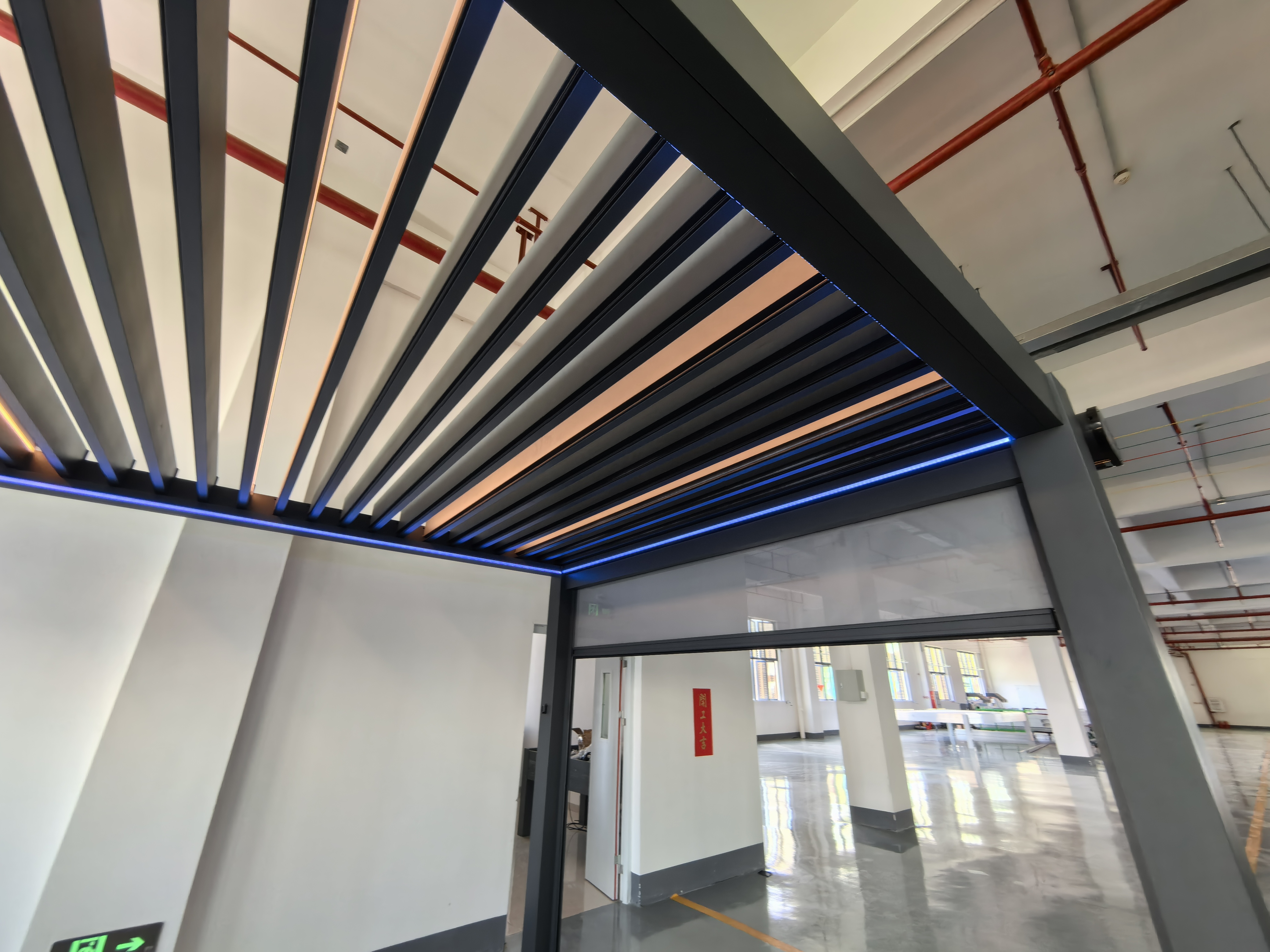
Selecting the right waterproof pergola for commercial outdoor spaces requires careful consideration of durability, functionality, and aesthetic integration. Commercial environments demand shade structures that withstand weather exposure, frequent use, and maintenance demands while enhancing the property's appeal. A waterproof pergola serves as both a protective investment and a functional asset that extends usable outdoor space year-round, making it essential to understand which options best suit your specific commercial needs and climate conditions.
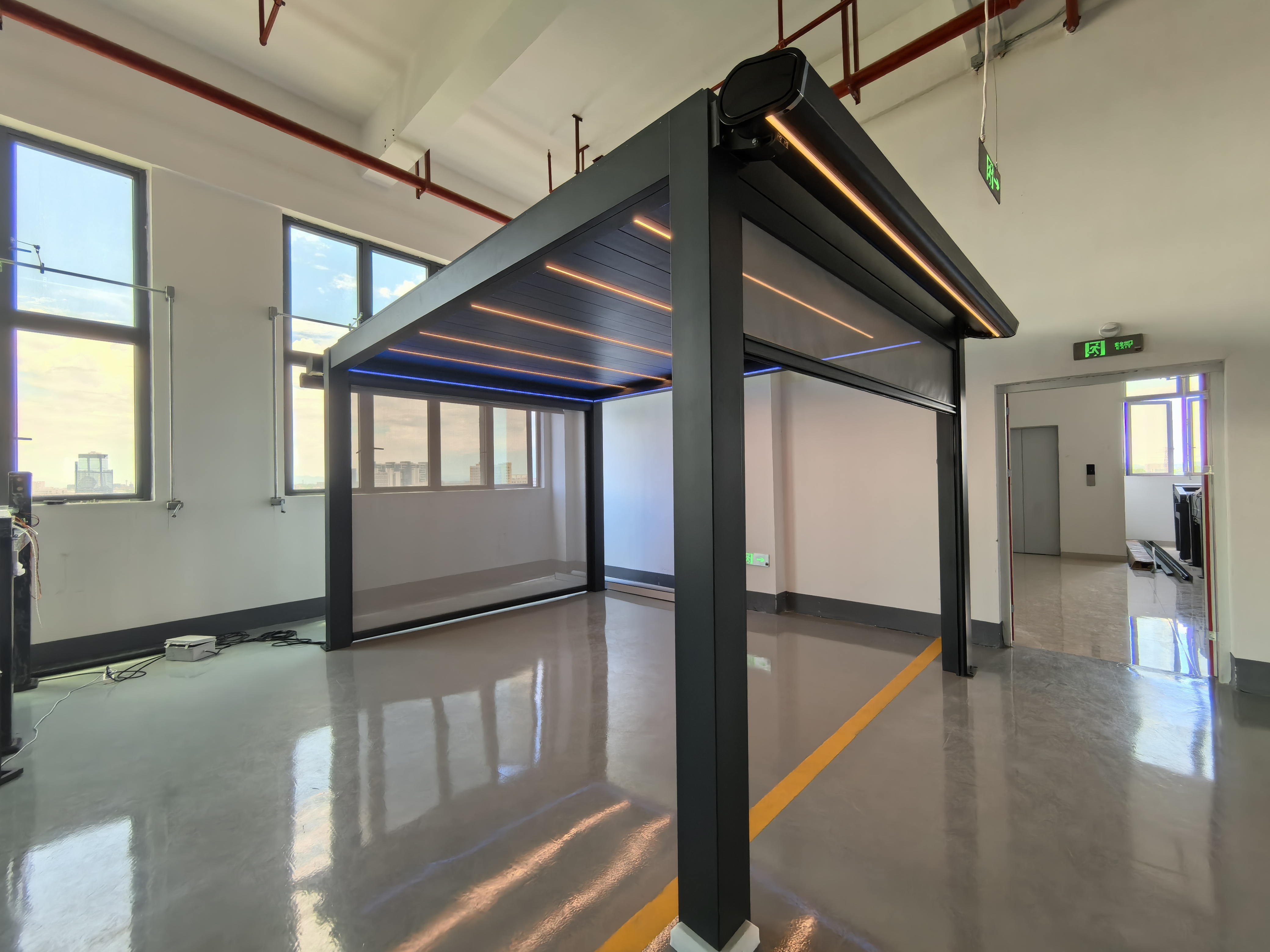
Commercial outdoor spaces face unique environmental challenges that standard pergolas cannot reliably address. Weather exposure, UV damage, standing water, and heavy foot traffic all accelerate deterioration without proper waterproofing. A properly designed waterproof pergola with integrated drainage systems and weather-resistant materials ensures consistent performance, reduces maintenance costs, and protects your investment over many seasons. Understanding the key differences between construction methods, material choices, and drainage technologies will help you make a confident decision that aligns with your operational and financial requirements.
Key Features of Commercial-Grade Waterproof Pergolas
Material Selection and Durability Standards
Commercial waterproof pergolas typically employ aluminum frames combined with advanced pergola waterproofing materials that resist moisture penetration and UV degradation. Aluminum resists corrosion in wet environments and supports heavy load demands common in hospitality, retail, and institutional settings. The roof layer often uses polycarbonate, marine-grade vinyl, or engineered polymer composites that maintain structural integrity under intense sun exposure and heavy rainfall. These pergola waterproofing materials must meet commercial building codes and withstand temperature fluctuations without cracking, warping, or losing transparency. Choosing materials rated for your specific climate zone ensures the waterproof pergola remains functional and visually appealing throughout its operational lifespan.
Integrated Drainage Systems
An outdoor shade structure with drainage is fundamentally different from basic pergolas because it actively manages water rather than simply shedding it. Integrated gutter systems, sloped panels, and drainage channels direct rainwater away from seating areas and toward designated collection points or ground-level dispersal zones. Premium waterproof pergolas feature hidden drainage pathways that maintain clean aesthetics while preventing water pooling that attracts debris and creates slip hazards. The outdoor shade structure with drainage design also prevents moisture accumulation on horizontal surfaces, which reduces mold growth and extends material life. Proper drainage installation requires careful slope calculation and positioning to ensure water flows reliably even during heavy storms or rapid snowmelt conditions.
Retractable Pergola Roof Systems for Flexible Coverage
Motorized Operation and Weather Adaptability
Retractable pergola roof technology allows commercial operators to adjust shade and weather protection according to real-time conditions and customer preferences. Motor-driven systems respond to wind sensors, rain detection, or manual controls, enabling staff to extend coverage during storms or retract panels during clear weather to maximize natural light. A retractable pergola roof provides operational flexibility that fixed structures cannot match, particularly in hospitality venues like restaurants, bars, and event spaces where ambiance and comfort directly influence customer satisfaction. These systems use industrial-grade motors and automation controls designed for frequent cycling and reliable performance under commercial demand. Weather-responsive automation reduces manual labor while ensuring consistent protection and enhanced customer experience regardless of seasonal conditions.
Space Efficiency and Installation Flexibility
Retractable pergola roof systems occupy less visual space when retracted, making them ideal for commercial properties with design constraints or changing operational needs. Restaurants expanding outdoor seating can deploy a retractable pergola roof during peak seasons and retract it during off-season to reduce visual impact or facilitate cleaning and maintenance. The mechanical design supports installation over existing structures, parking areas, or landscape features without requiring extensive site reconstruction. Compact stowed profiles allow properties to maintain clear sight lines and architectural coherence even in upscale commercial districts with strict aesthetic guidelines. Many retractable systems integrate with existing shade structures or complement hardscape elements, offering remarkable adaptability across diverse commercial applications.
Design Considerations for Commercial Installation Success
Aesthetic Integration and Brand Alignment
A commercial waterproof pergola must align with property architecture, brand identity, and customer expectations. Hospitality venues require shade solutions that enhance the guest experience rather than appearing purely utilitarian or temporary. Modern outdoor shade structure with drainage options come in varied colors, finishes, and design profiles that coordinate with contemporary or traditional architectural styles. Premium materials and clean installation create a polished appearance that reflects positively on business reputation and justifies premium pricing in customer-facing environments. Designers should evaluate frame finishes, panel opacity, and structural proportions to ensure the waterproof pergola strengthens rather than detracts from overall site aesthetics.
Regulatory Compliance and Load Requirements
Commercial structures must comply with local building codes governing wind resistance, snow load capacity, structural anchoring, and electrical safety for motorized systems. A properly engineered waterproof pergola includes documented load ratings, wind certifications, and professional installation requirements verified by licensed contractors. Commercial properties in high-wind zones, heavy-snow regions, or seismic areas require specialized design and reinforcement that standard residential solutions cannot provide. Regular inspections and maintenance protocols ensure ongoing compliance with changing regulations and property insurance requirements. Professional engineering assessments before installation protect against liability and ensure the outdoor shade structure with drainage performs reliably across anticipated environmental conditions.
FAQ
What pergola waterproofing materials offer the best long-term value?
Premium pergola waterproofing materials like polycarbonate and engineered composites offer superior UV resistance and durability compared to basic alternatives. While initial investment is higher, these materials require less frequent replacement, withstand harsh weather longer, and maintain structural integrity under commercial use demands. Polycarbonate resists impact and maintains transparency, enabling natural light penetration while providing weather protection. Engineered composites resist moisture, mold, and UV degradation in humid climates. Selecting materials matched to your specific climate zone and usage intensity maximizes return on investment and minimizes long-term operational costs.
How does a retractable pergola roof differ from fixed waterproof pergolas?
A retractable pergola roof provides motorized flexibility to extend or retract panels based on weather conditions and operational needs, whereas fixed waterproof pergolas offer constant coverage without adjustment capability. Retractable systems suit commercial venues requiring variable protection and natural light control, while fixed structures provide permanent reliable coverage at lower cost and maintenance demands. Fixed waterproof pergolas eliminate mechanical failure risks and require less electrical infrastructure, making them ideal for remote locations or properties with limited technical support. Retractable pergola roof systems enhance operational flexibility and customer experience but require more sophisticated installation, regular maintenance, and weatherproof electrical connections.
Can an outdoor shade structure with drainage prevent water damage to commercial furniture and merchandise?
Yes, properly designed outdoor shade structure with drainage actively protects merchandise and furniture by directing water away from covered areas through integrated gutters and drainage pathways. Sloped panels and hidden channels prevent standing water that causes moisture damage, discoloration, and mold growth on valuable inventory and furnishings. Commercial retailers, restaurants, and hospitality venues can confidently place high-value outdoor furniture and displays under a waterproof pergola knowing that engineered drainage systems provide reliable protection. Drainage-integrated design also reduces slipping hazards and maintains cleaner aesthetics compared to structures with visible water pooling or run-off patterns.