EN
Selecting the right waterproof pergola supplier is one of the most critical decisions for any B2B buyer investing in outdoor patio shade structures. The wrong choice can lead to costly installation problems, poor durability, limited customization options, and inadequate post-sale support. A qualified supplier not only delivers a quality product but also provides technical expertise, reliable project management, and long-term partnership value that extends far beyond the initial purchase.
This guide walks you through the key evaluation criteria that will help you identify a trustworthy supplier. Whether you are sourcing retractable pergola roof systems for hospitality venues, corporate campuses, or residential developments, understanding how to assess supplier capabilities ensures you secure both product quality and operational excellence.
Core Product Quality and Material Standards
Material Durability and Weather Resistance
The foundation of any reliable outdoor patio shade structure begins with material selection. A credible supplier should clearly document the materials used in their pergola weather protection systems, including frame composition, fabric grades, and weatherproofing treatments. Look for suppliers who use marine-grade aluminum, stainless steel fasteners, and UV-resistant textiles that comply with relevant industry standards.
Request material specification sheets, testing certifications, and independent quality reports. Ask the supplier how their retractable pergola roof handles extreme weather conditions, temperature fluctuations, and prolonged sun exposure. Verify that their products undergo accelerated aging tests and environmental stress testing before shipment. This level of transparency indicates a supplier who understands the true demands of outdoor installations.
Structural Engineering and Load Capacity
A waterproof pergola must handle wind loads, snow accumulation, and the weight of water drainage without structural failure. Reputable suppliers provide detailed engineering calculations, wind resistance ratings, and load capacity specifications for each product line. Request load testing data and ask whether they provide structural warranties or guarantees against deformation under specified conditions.
The supplier should also explain how their pergola weather protection design accounts for local climate conditions, regional building codes, and site-specific requirements. This demonstrates whether they take a generic approach or invest in understanding your project context and delivering appropriate engineering solutions.
Customization, Design Flexibility, and Project Fit
Retractable Pergola Roof Options and Configuration
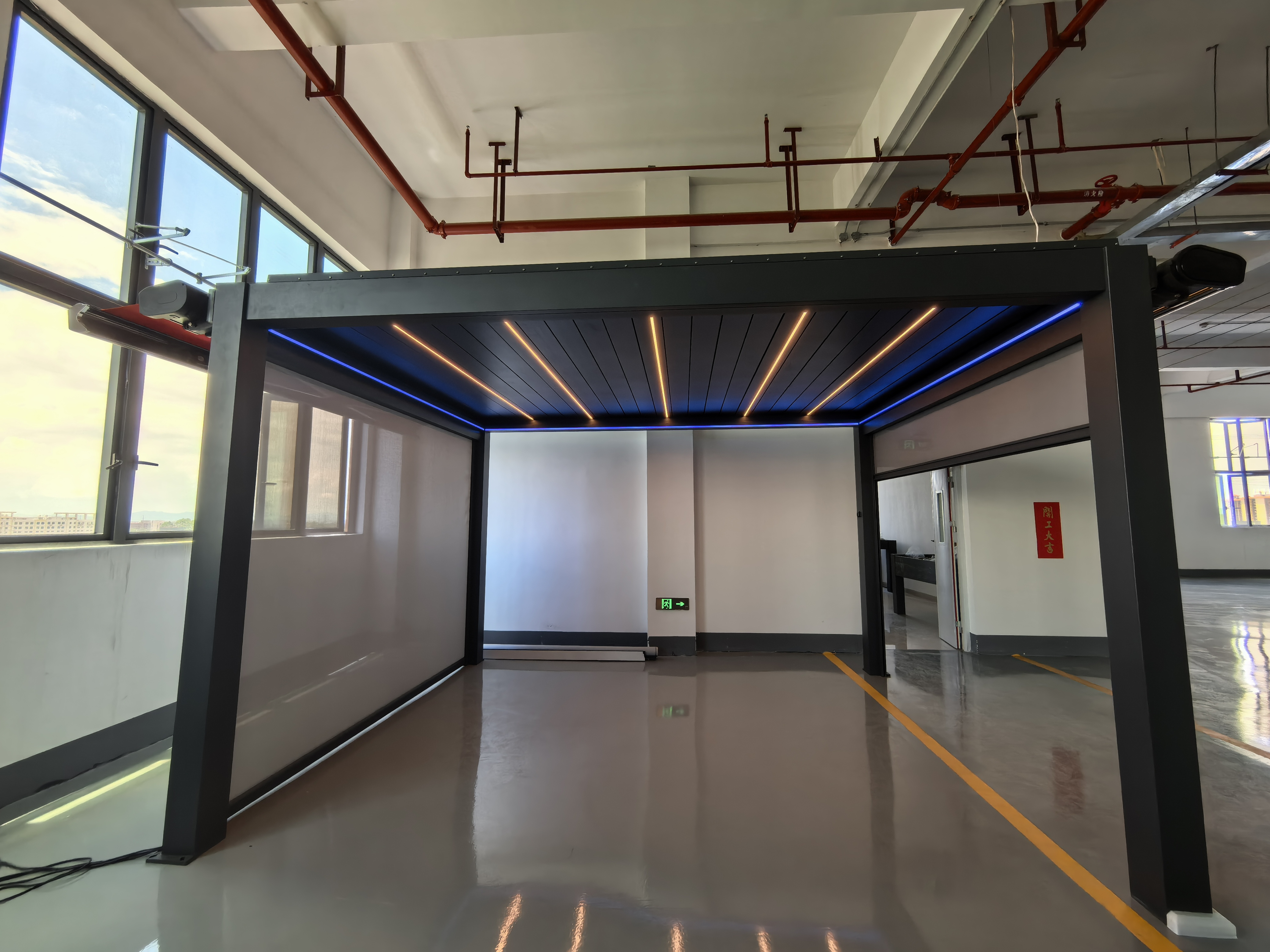
Not all projects have identical needs. A strong supplier offers multiple retractable pergola roof configurations, including motorized retracting systems, manual options, and hybrid setups. They should provide flexible sizing, modular designs that adapt to irregular spaces, and choices in color, finish, and aesthetic detail to match your brand or property design standards.
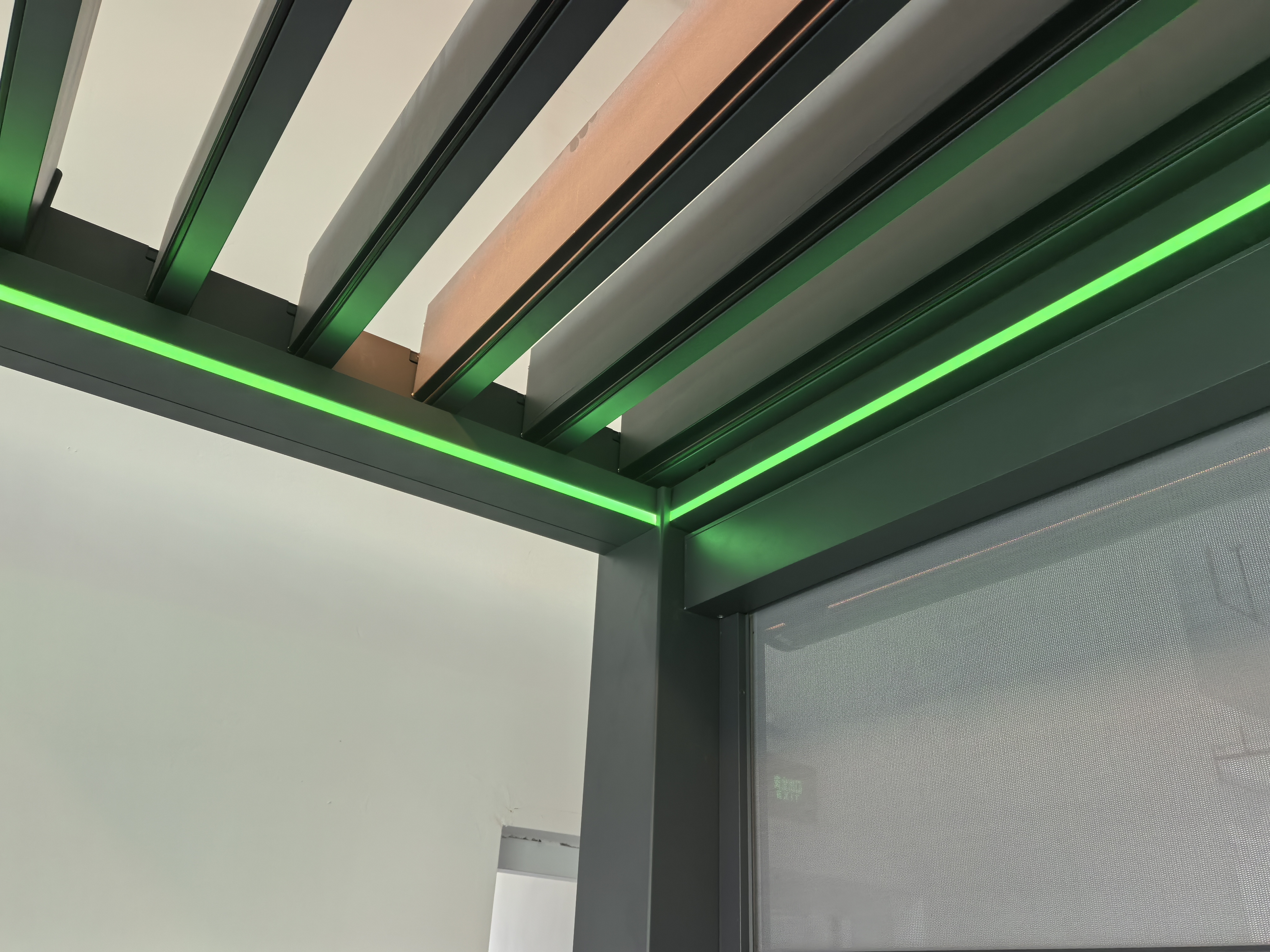
Evaluate whether the supplier can customize dimensions within reasonable tolerances and whether they offer integrated features such as integrated lighting, drainage channels, or privacy screens. Ask about lead times for custom orders and whether they maintain adequate inventory for rapid delivery of standard configurations. A supplier willing to customize demonstrates confidence in their manufacturing process and commitment to client success.
Design Support and Pre-Installation Planning
Before finalizing a purchase, assess the supplier's pre-sale design support. Do they offer site visits, 3D renderings, or virtual installation previews? Can they work with your architects, contractors, or facility managers to optimize the outdoor patio shade structure layout? The best suppliers provide technical drawings, installation guides, and compatibility assessments for your existing infrastructure.
Request references from similar projects and ask the supplier to explain how they collaborated with other stakeholders on challenging installations. This reveals their problem-solving mindset and whether they view themselves as a true project partner rather than a transactional vendor.
Supplier Reliability, Support, and Warranty
Installation Support and Technical Expertise
Even a high-quality waterproof pergola can underperform if installation is poorly executed. Evaluate whether the supplier offers direct installation services, certified installer networks, or detailed training for your contractors. Ask about their installation quality control processes, on-site supervision, and contingency planning for weather delays or unforeseen complications.
A reliable pergola weather protection supplier provides comprehensive installation documentation, video guides, and accessible technical support during and after project execution. They should have established protocols for quality inspections and punch-list resolution. This commitment to installation excellence protects your investment and ensures the retractable pergola roof system performs as designed from day one.
Warranty, Maintenance, and Long-Term Support
Understand the supplier's warranty coverage in detail. Does it cover structural defects, weatherproofing failures, mechanical components, and fabric degradation? What are the warranty periods for different components, and what is the claim process? A transparent supplier provides written warranty terms and explains exclusions clearly without ambiguity.
Beyond warranty, ask about maintenance schedules, spare parts availability, and ongoing technical support. Can the supplier provide preventive maintenance guidance to extend product life? Do they stock replacement fabrics, seals, and mechanical parts? The best suppliers maintain service relationships for years, treating initial purchase as the beginning of a long-term partnership rather than the end of the transaction.
Evaluation Checklist and Decision Framework
Conducting Supplier Assessments
Create a structured evaluation process that compares multiple suppliers against consistent criteria. Score suppliers on material quality, customization capabilities, design support, installation readiness, warranty comprehensiveness, and customer service responsiveness. Weight each criterion according to your project priorities—some buyers prioritize weather protection; others emphasize design flexibility or budget constraints.
Request formal quotations from at least three qualified suppliers and ask them to address your specific project requirements rather than providing generic pricing. Compare not just unit cost but total cost of ownership, including installation, customization, warranty, and anticipated maintenance over a five-year period. The lowest-cost outdoor patio shade structure supplier is rarely the best choice when lifecycle costs and performance risks are considered.
Red Flags and Risk Mitigation
Be cautious of suppliers who avoid technical questions, refuse to provide references, or pressure you toward rapid purchasing decisions. Reluctance to share material certifications, engineering calculations, or warranty details signals potential quality or accountability issues. Similarly, suppliers with limited installation experience, minimal customer support infrastructure, or no clear backup plans for supply chain disruptions pose unnecessary risk to your project timeline and outcomes.
Verify that your chosen waterproof pergola supplier carries adequate business liability insurance and maintains financial stability. Check business registrations, licensing, and any public records of complaints or disputes. These precautions protect your organization from partnering with unstable vendors who may disappear during warranty claims or when replacement parts are needed.
FAQ
What is the typical lead time for a custom retractable pergola roof from a reliable supplier?
Lead times vary significantly based on complexity and current order volume. Standard outdoor patio shade structures typically ship within 4–8 weeks, while highly customized retractable pergola roof systems may require 8–12 weeks or longer. Reputable suppliers provide clear lead time estimates upfront and maintain contingency buffers for unexpected delays. Always confirm lead times in writing before committing to project deadlines.
How should I evaluate pergola weather protection performance in extreme climates?
Request test data specific to your climate zone. For regions with heavy snow, ask for snow load ratings and documentation of performance in similar conditions. For coastal areas, verify that waterproof pergola materials resist salt spray corrosion. The best suppliers can reference completed installations in comparable climates and provide contact information for those clients. This real-world validation is often more valuable than theoretical specifications alone.
What warranty coverage should I expect from a quality waterproof pergola supplier?
Industry standards typically include structural frame warranties of 5–10 years, fabric warranties of 3–5 years, and mechanical components under 2–3 years. Premium suppliers sometimes extend coverage beyond these minimums. Always verify exactly what is covered, exclusions that apply, and the warranty claim process. Written warranty terms protect both parties and prevent disputes if issues arise during ownership.