EN
EN
The Role of Pergola Roof Design in Outdoor Living Spaces
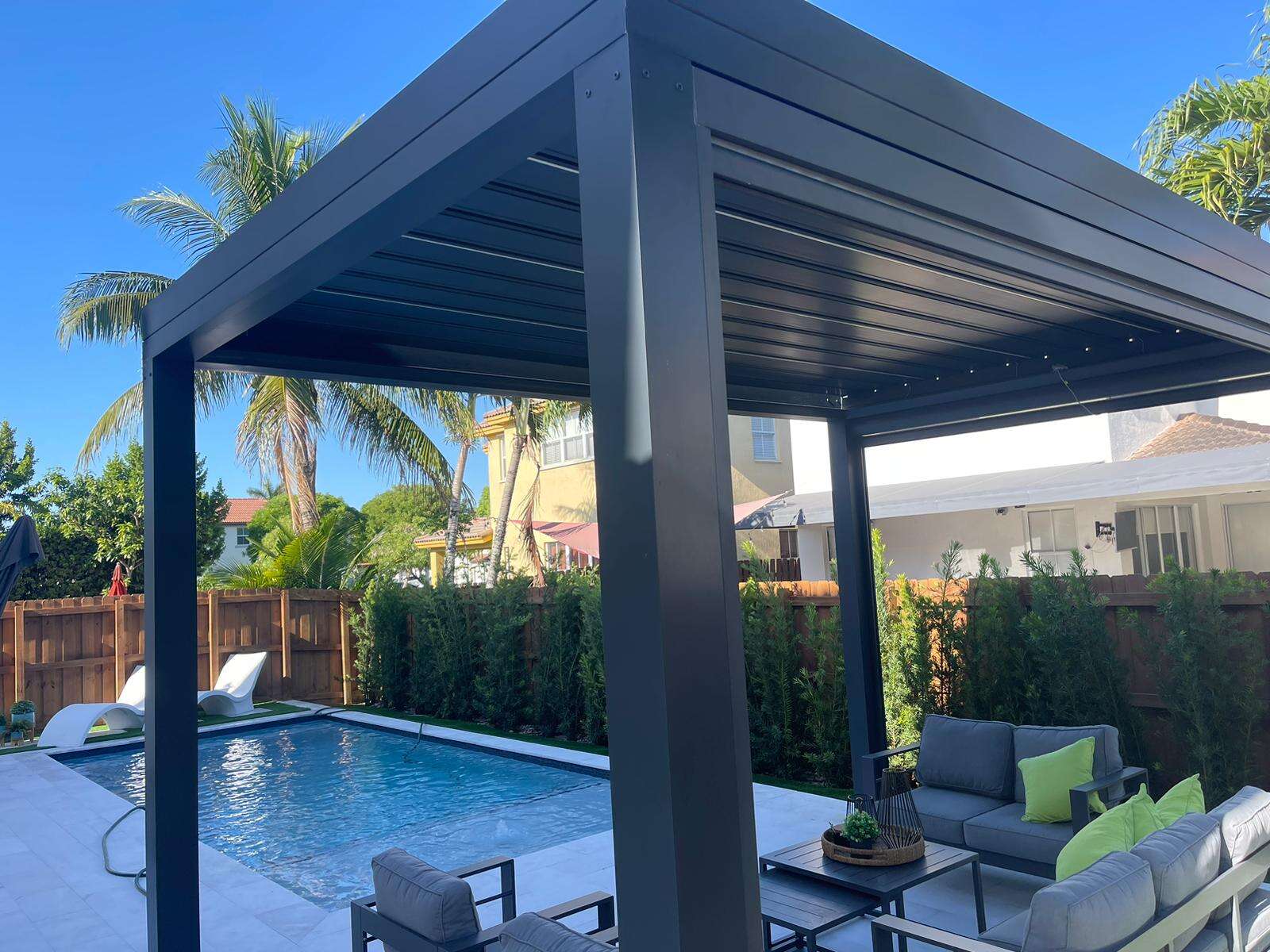
When done right, pergola roof designs can completely change how we use our backyards, turning them into actual outdoor rooms that feel just as comfortable as any interior space. These structures offer protection from harsh sun while still letting in enough light to keep that natural feel alive. People love sitting under them for meals, relaxing after work, or hosting friends without losing sight of the trees and sky around them. Today's pergolas come packed with smart features too. Some have adjustable slats that open and close with a tap on a phone app, making it easy to control sunlight throughout the day. Others hide their drainage systems so nobody has to worry about unsightly gutters ruining the look. The best part? All these fancy additions don't sacrifice beauty for functionality.
Key Factors to Consider: Aesthetics, Climate, and Usage
Three critical factors govern smart pergola roof selection:
- Architectural Harmony — Sloped roofs complement Craftsman-style homes, while flat aluminum profiles suit contemporary builds
- Climate Demands — Polycarbonate panels block 99% of UV rays in sunny climates, while steep-pitched metal roofs prevent snow accumulation in colder regions
- Functional Priorities — Retractable fabric covers support seasonal use (7—9 months), whereas insulated glass roofs enable year-round enjoyment despite higher upfront costs
According to a 2023 outdoor living survey, 68% of homeowners prioritize weather protection over pure aesthetics when selecting pergola roofs.
Balancing Open vs. Covered Pergola Roofs for Your Needs
Hybrid solutions are increasingly popular, with 43% of installations now featuring modular roof systems that combine open rafters with removable panels. For high-rain regions, engineers recommend a minimum 5° roof slope (1:12 pitch) to prevent water pooling. In contrast, desert climates benefit from open-grid designs that allow 30—40% filtered sunlight while promoting airflow.
Top Pergola Roof Types: Features, Materials, and Performance
Louvered Pergola Roof Design: Ultimate Control and Adaptability
Most contemporary pergolas these days feature aluminum louvers because they offer really good control over the environment around them. The motorized slats can open anywhere between completely closed to almost fully open at 170 degrees, cutting down on solar heat gain somewhere between 58% and 92% according to research from the Outdoor Shading Institute back in 2023. Plus, they still let fresh air circulate through. These powder coated aluminum frames stand up against salt spray corrosion for well over 25 years, which makes them perfect if someone lives near the coast or beach area. What sets them apart from regular fixed roof designs is how they actually adjust as the sun moves throughout the day. So whether it's time for breakfast outside in the morning or hosting guests later on, the coverage just works out right without having to constantly readjust things manually.
Retractable Roof Pergola Design: Flexibility Meets Weather Resistance
Retractable roof systems let people enjoy fresh air when weather permits but still offer solid protection during storms. The fabric used is pretty tough stuff with UPF 50+ rating that blocks almost all those harmful UV rays. And the tracks are made from anodized aluminum so they glide smoothly even over spaces as wide as fifteen feet. When rain comes out of nowhere, these retractable covers close about forty percent quicker than what someone would do manually according to the Weatherproof Outdoor Tech Report. That means less risk for damaging electronics or ruining outdoor furniture collections. For colder climates, commercial quality versions can handle snow weighing around thirty five pounds per square foot. They stand up just as well against winter conditions as traditional fixed roofs do, yet remain far more flexible for changing needs throughout the seasons.
Polycarbonate and Glass Roof Options: Durability vs. Aesthetic Appeal
| Material | Impact Resistance | Light Transmission | Thermal Insulation |
|---|---|---|---|
| Polycarbonate | 250x stronger than glass | 80—90% | R-value 2.5 |
| Tempered Glass | 4x stronger than standard | 92% | R-value 1.0 |
Multi-wall polycarbonate roofs withstand hail impacts up to 2" in diameter while diffusing harsh sunlight—an efficient solution for hot climates. Laminated glass options create seamless indoor-outdoor transitions but require 300% more structural support. Innovations in self-cleaning nano-coatings reduce maintenance frequency by 60% across both materials.
Fabric Shade and Insulated Roof Systems for Seasonal Use
Breathable polyethylene fabrics (98% airflow permeability) paired with removable insulated liners offer three-season versatility. Military-grade fabrics retain color vibrancy for 7—10 years despite daily UV exposure—three times longer than standard acrylics. Insulated models maintain a 15°F temperature differential (Outdoor Thermal Comfort Study), effectively extending patio use into early winter.
Comparative Data: Lifespan, Maintenance, and Material Costs
| Roof Type | Average Lifespan | Annual Maintenance Cost | Initial Investment Range |
|---|---|---|---|
| Aluminum Louvered | 25+ years | $120—$300 | $35—$85 per SF |
| Retractable Fabric | 12—15 years | $200—$450 | $28—$60 per SF |
| Polycarbonate | 15—20 years | $80—$150 | $22—$40 per SF |
| Insulated Glass | 30+ years | $350—$600 | $90—$140 per SF |
Louvered systems deliver the lowest lifetime cost at $1.18/SF/year, outperforming glass roofs ($3.02/SF/year) despite higher initial investment. Fabric options show the steepest maintenance curve—costs increase 18% annually after year seven due to UV degradation.
Climate-Specific Benefits of Different Pergola Roof Designs
Hot and Sunny Regions: Maximizing Shade and Heat Reflection
When building pergolas in those hot desert areas and sunbelt states, getting good shade without blocking air flow is really important. The louvered aluminum systems actually cut down on surface heat by around 40 percent when compared to regular wooden roofs because they reflect so much heat away. And then there are those polycarbonate panels with special coatings that stop nearly all the bad UV rays from getting through. Studies from the Outdoor Thermal Comfort Institute back this up from 2024 research. Those angled slats we see in gabled roof designs do something pretty cool too they create just the right amount of shadow but still let fresh air move through. This makes all the difference in places like Arizona and Texas during those brutal summers when it gets hotter than 100 degrees Fahrenheit day after day.
Rain-Prone Areas: Ensuring Water Runoff and Leak Protection
Coastal and subtropical regions demand roofs that manage heavy rainfall. Retractable canopy systems with waterproof fabrics achieve 92% effective water diversion when paired with a minimum 10° roof pitch. Permanent solutions like standing-seam metal roofs incorporate hidden gutter systems capable of handling 15" of hourly rainfall—essential during Florida’s monsoon seasons.
Cold and Snowy Zones: Structural Load and Insulation Requirements
In northern regions where heavy snowfall is common, pergola roofs need to handle about 50 pounds per square foot of snow weight without letting too much cold sneak through the structure. The insulated aluminum panels rated at R-8 do a good job keeping interiors warm throughout those long Canadian winters, which cuts down on heating bills roughly 18 percent when compared against traditional open grid systems. For glass roof installations, making sure they slope at least 25 degrees from horizontal helps stop those pesky ice dams from forming around the edges, plus allows for better sunlight capture during our brief winter days when every bit counts for maintaining comfortable temperatures inside.
Aesthetic Integration and Architectural Harmony in Pergola Roof Design
Matching Roof Styles to Home Architecture and Surroundings
The pergola roof needs to match what kind of house it sits next to really. Think about those gabled roofs with cedar beams looking great on old brick colonial homes, but flat aluminum ones work better for those sleek modern houses without all the extra details. A recent study from NAHB back in 2023 found that almost seven out of ten homeowners want their outside structures to basically copy the look of their main house. Getting the size right matters too. Put a big fancy Mediterranean style pergola next to a tiny cottage and it just looks wrong. But keep things simple and not too tall, and everything stays in balance visually speaking.
Color, Texture, and Profile: Enhancing Curb Appeal with Design Features
| Design Element | Traditional Homes | Modern Homes |
|---|---|---|
| Color | Earthy browns | Charcoal grays |
| Texture | Wood grain | Brushed metal |
| Profile | Curved rafters | Angular slats |
Dark finishes minimize visual weight in compact yards, while light tones enhance spatial perception. Textured polycarbonate panels diffuse light softly, contrasting with glass’s crisp transparency. Slatted profiles cast dynamic shadows, achieving a 40% improvement in balancing shade and airflow over solid roofs (Outdoor Living Institute 2023).
Budget, Longevity, and ROI: Making a Smart Investment in Pergola Roof Design
Initial Investment vs. Lifecycle Cost of High-Performance Roof Systems
When planning a pergola roof design, focus on total cost of ownership rather than just upfront price. High-performance materials like aluminum cost 30—50% more initially than wood but require 80% less maintenance over 25+ years (National Association of Home Builders 2024). The table below shows how material choices impact long-term value:
| Material | Initial Cost (per sq.ft.) | Maintenance Cost/Year | Expected Lifespan |
|---|---|---|---|
| Aluminum | $45—$65 | $15 | 25—35 years |
| Pressure-Treated Wood | $25—$40 | $120 | 10—15 years |
| Polycarbonate | $30—$50 | $40 | 15—20 years |
This demonstrates that durable, low-maintenance materials often offset higher initial costs through reduced repairs and replacements.
Industry Paradox: Why Premium Materials Don’t Always Deliver Better ROI
A 2023 Landscape Architecture Foundation study found that mid-grade aluminum systems ($35—$50/sq.ft.) generate a 7% higher resale value premium than ultra-premium options ($75+/sq.ft.). This occurs because:
- Buyers view extreme pricing as "overimprovement" in neighborhoods with median home values under $600k
- Complex motorized systems have triple the failure rate of manual operable roofs
- Annual maintenance for luxury materials often exceeds 1.5% of installation cost
For optimal return, select weather-appropriate materials that match your home’s architectural tier—not the most expensive option available.
Frequently Asked Questions
What are the key factors to consider when choosing a pergola roof design?
The key factors include architectural harmony, climate demands, and functional priorities. These can affect aesthetics, weather protection, and seasonal use.
How do different pergola roof designs perform in various climates?
In hot regions, louvered and polycarbonate designs maximize shade and heat reflection. In rainy areas, retractable systems ensure effective water runoff. Cold zones benefit from insulated panels that handle snow weight and maintain warmth.
What is the cost comparison between different pergola roof materials?
Aluminum louvered systems have the lowest lifetime cost despite a higher initial investment. Other options like insulated glass have higher annual maintenance costs.
How do you match a pergola roof style to your home's architecture?
The style should match the home's design; traditional homes benefit from earthy tones and wood textures, while modern homes suit charcoal grays and brushed metal finishes.
Table of Contents
- The Role of Pergola Roof Design in Outdoor Living Spaces
- Key Factors to Consider: Aesthetics, Climate, and Usage
- Balancing Open vs. Covered Pergola Roofs for Your Needs
-
Top Pergola Roof Types: Features, Materials, and Performance
- Louvered Pergola Roof Design: Ultimate Control and Adaptability
- Retractable Roof Pergola Design: Flexibility Meets Weather Resistance
- Polycarbonate and Glass Roof Options: Durability vs. Aesthetic Appeal
- Fabric Shade and Insulated Roof Systems for Seasonal Use
- Comparative Data: Lifespan, Maintenance, and Material Costs
- Climate-Specific Benefits of Different Pergola Roof Designs
- Aesthetic Integration and Architectural Harmony in Pergola Roof Design
- Budget, Longevity, and ROI: Making a Smart Investment in Pergola Roof Design
- Frequently Asked Questions