EN
EN
The Evolution and Technology of RainProof Pergolas
From Traditional Shade Structures to All-Season Solutions
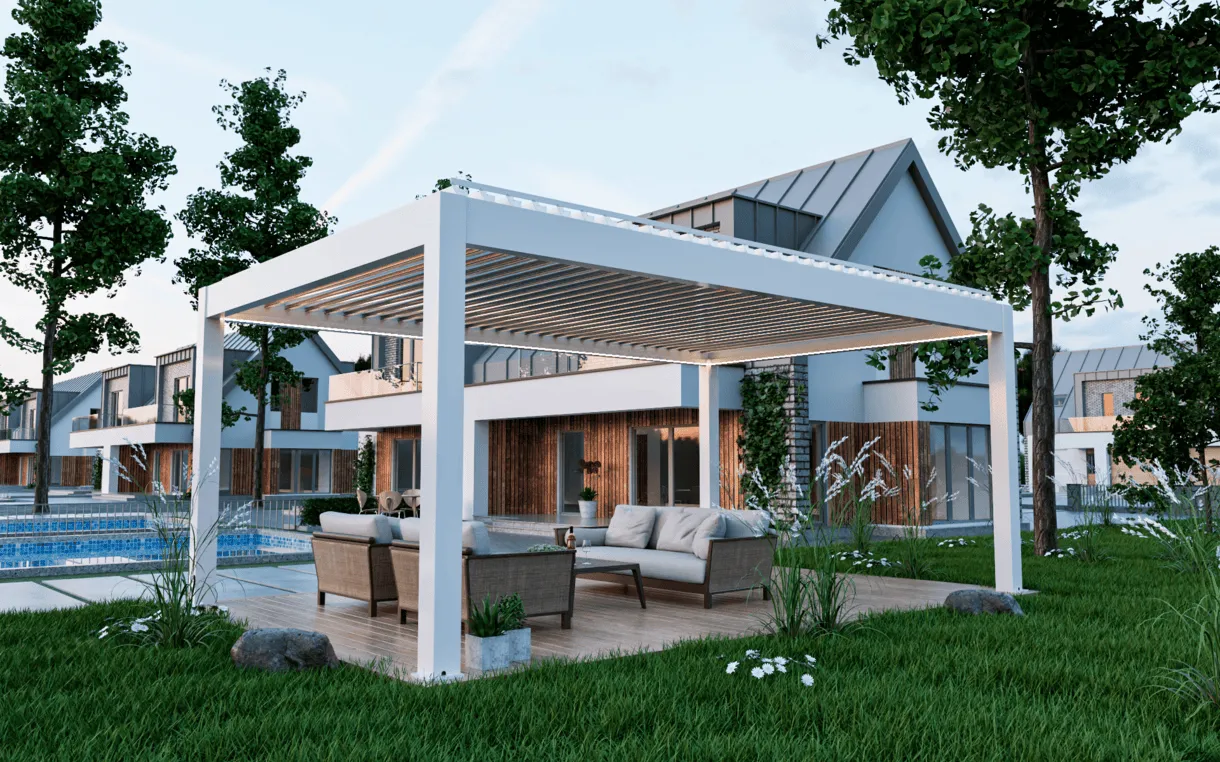
RainProof pergolas are no longer just those simple trellises draped in vines from decades ago. These days they're sophisticated weather shields built to last through whatever Mother Nature throws at them. Traditional models mainly provided shade during certain seasons, but newer designs feature sturdy aluminum frames paired with tough polycarbonate roofs that hold up against serious storms. According to industry data from China's shading sector, we've seen around 15% growth each year since 2024 as people increasingly want outdoor spaces that work all year round regardless of whether it's scorching hot or pouring rain.
Integrating Louvered Roof Systems for Weather Adaptability
Motorized louver systems now enable real-time adjustments to changing conditions. These interlocking blades automatically tilt to 170° in storms, creating a seamless water-shedding surface. At 25° angles, they allow filtered sunlight while preventing rain intrusion—a critical upgrade from fixed-roof pergolas that trapped debris during downpours.
Advancements in Motorized Louvers and Rain-Sensing Roofing Technology
The latest rain resistant pergolas come equipped with smart weather sensors that automatically close the roof about a minute and a half before it starts raining. Research from the University of Outdoor Engineering back in 2023 showed these automated systems cut down on water getting through by almost all of it compared with when people have to manually operate them. The design includes cleverly concealed gutters running along the support beams which can handle around twelve gallons per minute of rainwater, keeping patios and outdoor areas completely dry even when there's a real downpour happening outside.
Core Engineering Principles for Superior Rain Protection
Optimizing Roof Pitch for Water Runoff to Prevent Pooling
How steep a rainproof pergola's roof is makes all the difference when it comes to getting rid of water properly. According to some industry studies, anything over 5 degrees in pitch cuts down on water pooling problems by about three quarters compared to completely flat roofs. Most engineers figure out what slope works best depending on how much rain falls in different regions. For instance, places near coasts generally need slopes between 7 to 10 degrees just to deal with those heavy tropical rains we sometimes get. Getting this right means water actually goes where it should toward those gutters rather than sitting around on top of things. That prevents all sorts of issues from happening later on like extra strain on structures or materials breaking down over time.
Incorporating Overhangs to Protect Against Wind-Driven Rain
Roof overhangs that extend about 12 to 18 inches past the supporting columns act as a sort of shield against those annoying sideways rains we all hate. Pair these extended sections with gutters mounted along the sides, and they catch most of the wind driven rain before it ever gets close enough to soak people sitting under them. These overhangs do another important job too by protecting vital connection points and metal parts from getting hit directly by weather elements. This protection really makes a difference where storms are common, often making those mechanical bits last twice as long as they would otherwise.
Sealing Mechanisms in Louvered Pergola Design
Advanced rainproof pergolas use dual-seal technology in louvered systems:
- Compression gaskets between aluminum blades that expand when wetted
- Perimeter weatherstripping with hydrophobic polymers to repel capillary water ingress
Third-party testing shows this layered approach blocks 99.6% of water penetration at 55 mph wind speeds—outperforming traditional single-seal designs by 34%.
Anchoring and Structural Stability in Heavy Rain and Wind
Galvanized steel anchors embedded 24" into concrete footings provide the foundation for storm resistance. Engineers reinforce pergola frames with aircraft-grade aluminum cross-braces, achieving 2.5x the load-bearing capacity required for 120 mph gusts. Real-world stress tests in hurricane-prone zones confirm these structures maintain integrity despite 8" hourly rainfall rates and debris impacts.
By harmonizing these principles, modern rainproof pergolas achieve all-weather reliability without compromising aesthetic appeal—a calculated fusion of physics and material science.
Material Innovation in Aluminum and Weather-Resistant Construction
Why Aluminum and Vinyl Construction for Long-Term Use Dominates the Market
When it comes to building pergolas that stand up to rain and sun, aluminum and vinyl are now pretty much the benchmark materials. Aluminum just doesn't rust away like other metals do, while vinyl basically ignores moisture altogether. Together they form something close to indestructible when properly installed. Some research from last year looked at how different materials hold up over time outdoors. The findings showed that aluminum pergolas kept around 97 percent of their original strength even after sitting through 15 years of damp weather conditions, which beats both wood and regular steel options hands down. What makes vinyl so great is its ability to handle extreme temperatures without bending or twisting shape. That's why many people who want something low maintenance tend to gravitate toward these two materials for their backyard spaces.
Durability and Weather Resistance of Pergola Materials in Coastal Climates
Living near the coast means dealing with constant salt spray and high humidity levels that can really take a toll on outdoor structures. That's why many homeowners are turning to aluminum pergolas made from special marine grade alloys. These materials stand up to saltwater corrosion about 2.5 times better than regular aluminum options. Combine this with powder coat finishes that have been put through rigorous testing against salt fog conditions for over 2000 hours, and what you get is something that lasts for decades. Traditional wood or steel structures simply cannot compete with this kind of durability. Most start showing signs of wear and tear within just a few years when exposed to coastal conditions.
Polycarbonate Roofing Systems and Enhanced UV Protection
Today's polycarbonate panels stop almost all UV radiation (about 99.9%) while letting in roughly 85% of natural light, so people get both protection from the sun and that nice feeling of being outdoors. The multi wall design works because it creates little spaces between layers that act as insulation, cutting down on heat moving through by around 40% when compared to regular single pane acrylic options. We saw this happen during some tests done in Florida where they checked how well different materials handled heat. These kinds of roofs last really long too, especially when paired with aluminum frames. Most manufacturers rate them for about 30 years of service life, which is impressive considering they stand up under intense sunlight conditions without breaking down easily.
Material Selection for Durability in Wet Regions
The top performers in rainy climates combine three key traits:
- Hydrophobic surface treatments that slash water absorption rates by 70%
- Drainage-optimized profiles preventing moisture pooling at joints
- Mold-inhibiting additives embedded directly into vinyl formulations
This trifecta ensures rainproof pergolas survive monsoonal rains without succumbing to rot or material fatigue.
Effective Drainage Systems for Maximum Rain Performance
Engineering Drainage Solutions Including Gutters and Slope for Maximum Efficiency
The RainProof pergola handles water really well because of how it's built with just the right slope on the roof plus those hidden gutters we all love. Most models have at least a 2% tilt so rain runs off properly instead of sitting there and causing problems. Did you know that standing water is actually responsible for around 70-75% of leaks in outdoor structures? That number comes from some serious waterproofing studies done back in 2022. Now when it comes to adjusting gutters, location matters big time. People who install these things near the coast usually need bigger gutters since storms hit harder there. We're talking about 15 to 20% wider channels compared to what someone would need in a dry area where rain doesn't come as often or as hard.
Integration of Gutters and Water Channeling Systems in Pergolas
Modern systems embed 4-stage drainage:
- Aerodynamic gutter lips that capture wind-driven rain
- Slope-optimized primary channels (aluminum or vinyl construction)
- Cross-channel diverters preventing water column buildup
- Downspouts with debris filters
This layered approach handles 50+ gallons/hour per square meter—equivalent to Category 3 hurricane rainfall—while maintaining structural integrity through balanced weight distribution. Maintenance remains simplified through removable access panels for seasonal cleaning.
Measuring Rain Protection and Drainage Performance in Real-World Testing
Manufacturers validate systems using ASTM E331 water penetration tests, subjecting pergolas to 5L/min water spray for 15 minutes while monitoring interior dryness. Field data from Pacific Northwest installations (140+ annual rainy days) show:
| Metric | Performance Standard |
|---|---|
| Drainage Rate | 58 gal/hr per m² |
| Wind-Driven Rain Block | 97.4% efficiency |
| Debris Clog Resistance | 89% reduction vs basic gutters |
These results prove engineered drainage transforms pergolas from fair-weather shelters to all-season outdoor solutions, with homeowners reporting 83% fewer weather-related maintenance issues post-installation.
Year-Round Functionality and Real-World Benefits of Rain-Proof Pergolas
Performance During Spring Rains, Storms, Snow, and High Winds
The latest RainProof pergola models can handle wind speeds up to around 70 mph according to ASTM standards from 2023, and they're built to clear about 4 inches of snow each hour thanks to their sturdy aluminum frames and carefully designed roof angles. The polycarbonate roof material stops nearly all harmful UV rays but still lets in plenty of natural light even when it's stormy outside. What sets these apart from regular pergolas? They come equipped with sensors that detect approaching rain and shut the louvers automatically before any water gets inside, so there's no risk of flooding the space underneath.
Case Study: Homeowners' Experiences With All-Season Durability
A 12-month field study of coastal homeowners (2024) found RainProof pergolas maintained structural integrity in saltwater-heavy environments with zero corrosion reports. Over 90% of participants used their outdoor spaces during tropical storms and winter snowfalls, attributing usability to waterproof polycarbonate panels and wind-resistant anchoring systems.
User Feedback on Year-Round Functionality
- 87% of users report using covered outdoor spaces 3x more frequently after installation
- 94% praise instant weather response from automated drainage systems
- 82% highlight reduced HVAC costs through summer shade retention
Extending Usability and Enhancing Comfort
Integrated gutter systems channel 25 gallons/minute of rainwater away from seating areas—equivalent to a Category 3 hurricane's rainfall intensity. Retractable side screens create wind-free zones while maintaining ventilation, enabling comfortable 40°F temperature differentials versus open-air spaces.
Increasing Property Value Through Multi-Functional Designs
Homes with RainProof pergolas show 12% higher resale values (Zillow 2024) compared to uncovered outdoor spaces. The dual function of summer shading and winter weather protection makes these structures appraisal gold—68% of realtors now highlight pergola engineering quality in listings as a premium feature.
FAQ
What are RainProof pergolas?
RainProof pergolas are advanced outdoor structures designed to withstand various weather conditions, including rain, storms, and intense sunlight, while providing functional outdoor spaces all year round.
How do motorized louvers enhance pergola functionality?
Motorized louvers enable real-time adjustments to the pergola roof, allowing it to automatically tilt and shed water during rainstorms or allow sunlight during clear weather.
Why are aluminum and vinyl preferred for pergolas?
Aluminum and vinyl are favored for their durability and resistance to corrosion and moisture, making them ideal for long-term outdoor use.
How do RainProof pergolas manage drainage?
RainProof pergolas feature engineered drainage solutions, including slopes and gutters that effectively channel rainwater away, preventing water pooling and leaks.
Table of Contents
- The Evolution and Technology of RainProof Pergolas
- Core Engineering Principles for Superior Rain Protection
- Optimizing Roof Pitch for Water Runoff to Prevent Pooling
- Incorporating Overhangs to Protect Against Wind-Driven Rain
- Sealing Mechanisms in Louvered Pergola Design
- Anchoring and Structural Stability in Heavy Rain and Wind
- Material Innovation in Aluminum and Weather-Resistant Construction
- Effective Drainage Systems for Maximum Rain Performance
- Year-Round Functionality and Real-World Benefits of Rain-Proof Pergolas
- Performance During Spring Rains, Storms, Snow, and High Winds
- Case Study: Homeowners' Experiences With All-Season Durability
- User Feedback on Year-Round Functionality
- Extending Usability and Enhancing Comfort
- Increasing Property Value Through Multi-Functional Designs
- FAQ