EN
EN

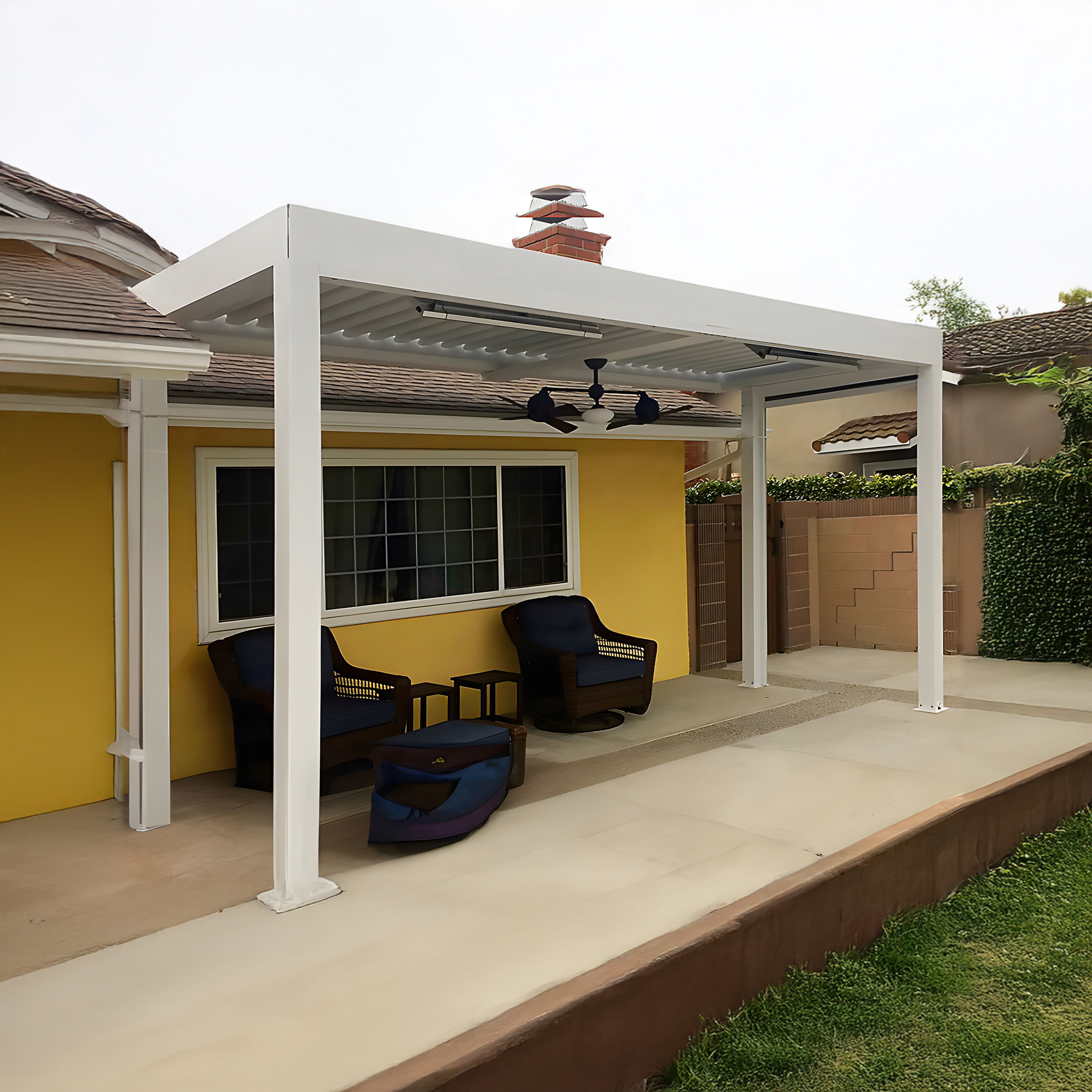
Сучасні домовласники все частіше шукайть багатофункціональні зовнішні конструкції, які поєднують функціональність із сучасною естетикою дизайну. Автономна пергола є ідеальним рішенням для створення чітко визначених зовнішніх просторів без постійного з’єднання з будівлею. Ці самостійні архітектурні елементи надають виняткову гнучкість у розташуванні та дизайні, що робить їх ідеальними для різноманітних планувальних рішень ділянок та ландшафтного оформлення. На відміну від приєднаних до будівлі пергол, автономні перголи можна розміщувати стратегічно в будь-якому місці на вашій зовнішній території, щоб створити кілька зон для розваг, прийому їжі або відпочинку.
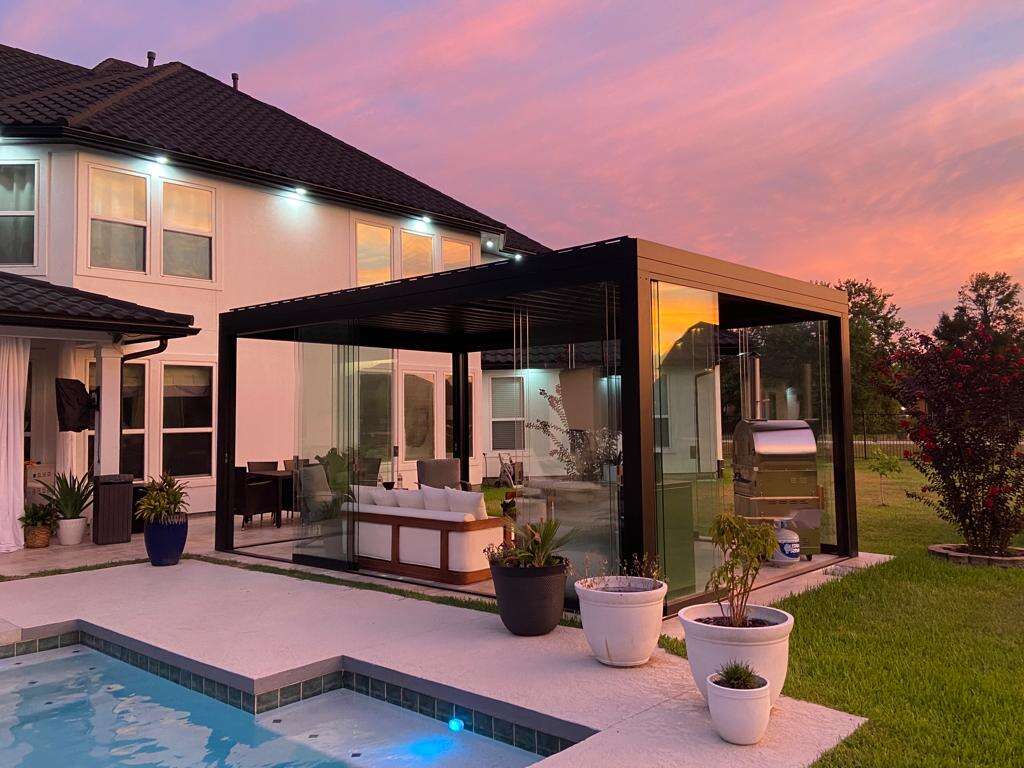
Сучасні елементи дизайну для сучасних стилів пергол
Чисті лінії та мінімалістична конструкція
Сучасний дизайн перголи робить акцент на простоті та геометричній точності, відмовляючись від пишних традиційних елементів. Добре спроектована самостійна пергола характеризується чистими, прямими лініями з мінімальною декоративною прикрасою, що гармонійно поєднується з архітектурою сучасного будинку. Каркас, як правило, включає прямокутні або квадратні опорні стовпи замість заокруглених колон, створюючи чіткий силует, що відповідає принципам сучасного дизайну. Такі конструкції часто використовують балки з плоским верхом замість вигнутих або декоративних елементів даху, зберігаючи обтічний вигляд, характерний для сучасних зовнішніх житлових просторів.
Підбір матеріалів відіграє вирішальну роль у досягненні бажаного сучасного вигляду вашої самостійної перголи. Каркаси з алюмінію та сталі забезпечують стилізовані профілі й високу міцність, тоді як інженерне дерево продукція забезпечують природне тепло зі стабільними малюнками текстури дерева. Палітра кольорів, як правило, надає перевагу нейтральним відтінкам, таким як вугільно-сірий, білий або натуральні дерев’яні відтинки, що гармонійно поєднуються з сучасними фасадами будинків. Такі дизайн-рішення забезпечують, щоб ваша пергола стала безшовним продовженням архітектурного стилю вашого будинку, а не контрастним елементом.
Інтеграція з інтелектуальними технологіями
Сучасні самостійні конструкції пергол часто включають інтелектуальні технологічні функції, які підвищують як функціональність, так і зручність у користуванні. Автоматизовані системи жалюзі дозволяють домовласникам регулювати потік сонячного світла та повітря за допомогою одного натискання кнопки, адаптуючи простір до змінних погодних умов протягом дня. Системи LED-освітлення, інтегровані в каркас перголи, забезпечують затишне освітлення для вечірніх зустрічей, зберігаючи при цьому чисті й естетичні лінії конструкції. Така технологічна інтеграція відображає еволюцію зовнішніх житлових просторів у складні, повністю керовані середовища.
Датчики погоди можуть автоматично регулювати положення жалюзі відповідно до виявлення дощу або швидкості вітру, захищаючи меблі для відкритого повітря та гостей від раптових змін погоди. Деякі сучасні системи пергол включають інтегровані аудіосистеми та зарядні станції, перетворюючи затінену зону на повнофункціональне відкрите приміщення. Ці розумні функції демонструють, як сучасні самостійні конструкції пергол виходять за межі базового забезпечення тіні й створюють комплексні рішення для життя на відкритому повітрі.
Вибір матеріалів для довговічних сучасних пергол
Сучасна алюмінієва конструкція
Алюміній став уподобаним матеріалом для сучасного будівництва самостійно стоїть пергол завдяки винятковій міцності та низьким вимогам до технічного обслуговування. Цей легкий, але міцний матеріал стійкий до корозії, деформації та пошкоджень комахами, що робить його ідеальним для різних кліматичних умов. Порошкові покриття з алюмінію забезпечують широкий вибір кольорів і водночас надають високий рівень захисту від ультрафіолетового випромінювання та атмосферних впливів. Внутрішні властивості матеріалу дозволяють досягати високої точності при виготовленні, що забезпечує ідеальне підганяння компонентів перголи під час їхнього монтажу.
Сучасні алюмінієві самостійні перголи часто виконані з екструдованих профілів, спеціально розроблених для зовнішніх конструкцій. Ці профілі мають інтегровані дренажні канали, системи керування кабелями та монтажні точки для аксесуарів. Високе співвідношення міцності до ваги алюмінію дозволяє створювати більші прольоти без необхідності в надмірній кількості опорних стовпів, що забезпечує відкриті оглядові лінії та максимізує корисну площу під конструкцією. Крім того, можливість вторинної переробки алюмінію узгоджується з принципами сталого будівництва, які набувають все більшого значення для екологічно свідомих домовласників.
Інженерні рішення з деревини
Інженерні деревні матеріали поєднують природну красу традиційного деревинного матеріалу з покращеними експлуатаційними характеристиками, що робить їх придатними для сучасних автономних пергол. Шпонований клеєний брус і клеєні балки забезпечують вищу міцність і розмірну стабільність порівняно з цільним деревом, зменшуючи ймовірність деформації або скручування з часом. Ці матеріали добре приймають фарби та захисні покриття, що дозволяє домовласникам досягти певних відтінків кольору, які гармонують із загальним дизайном зовнішнього оздоблення будинку.
Композитні деревні матеріали поєднують натуральні деревні волокна з полімерними смолами, утворюючи продукти, які стійкі до вологи, комах та гниття, зберігаючи при цьому зовнішній вигляд і текстуру дерева. Самостійно стоїть пергола, виготовлена з композитних матеріалів, потребує мінімального обслуговування й одночасно забезпечує теплу, органічну естетику, яку віддають перевагу багато домовласників. Ці інженерні рішення вирішують типові проблеми, пов’язані з традиційним дерев’яним будівництвом, зберігаючи при цьому натуральний характер, що підсилює комфорт у зовнішніх житлових просторах.
Оптимальні розміри та пропорції для різних просторів
Застосування в приватних задніх дворах
Визначення відповідного розміру для вашого вільно стояча пергола вимагає ретельного обміркування наявного простору та передбачуваних сценаріїв використання. Типові житлові установки мають розміри від 10×10 футів для інтимних зон для сидіння до 16×20 футів для повноцінних зовнішніх зон для прийому їжі та розваг. Конструкція повинна забезпечувати достатнє затінення для запланованих розташувань меблів, зберігаючи при цьому пропорційні співвідношення з навколишніми ландшафтними елементами та архітектурою будинку. Правильний підбір розмірів забезпечує, що пергола доповнюватиме, а не переважатиме зовнішнє середовище.
Висота впливає як на візуальний враження, так і на функціональні характеристики вашого самостійно стоїть перголи. Стандартні монтажі, як правило, мають висоту просвіту від 2,4 до 3,0 метрів, забезпечуючи комфортну вільну висоту для голови й одночасно зберігаючи пропорції, співрозмірні з людиною. Більш високі конструкції можуть бути доцільними для великих ділянок або у разі розташування перголи на відстані від основного будинку, однак слід уважно стежити за пропорціями, щоб конструкція не виглядала надмірно великою у даному контексті. Співвідношення між шириною, глибиною та висотою суттєво впливає на загальний естетичний успіх монтажу.
Комерційні та гостинні заклади
Комерційні застосування часто вимагають більших самостійних конструкцій пергол для розміщення кількох груп місць для сидіння або зон харчування. Тераси ресторанів і зони басейнів готелів зазвичай використовують перголи розміром 20×30 футів або більше, щоб забезпечити значні затінені зони для гостей. Такі великі конструкції можуть включати кілька опорних стовпів, розташованих у вигляді сітки, щоб зберегти структурну цілісність і водночас мінімізувати візуальні перешкоди. Перголи комерційного класу, як правило, мають підвищену стійкість до вітру та більш міцну конструкцію, щоб витримувати інтенсивне використання та вплив погодних умов.
Вимоги щодо доступності в комерційних умовах впливають на специфікації проектування пергол, зокрема щодо висоти проходу та розташування опорних стовпів. Міркування щодо відповідності вимогам Закону про інвалідів (ADA) можуть впливати на планування розташування опорних елементів, щоб забезпечити доступність для осіб у візках у всьому затіненому просторі. Комерційні самостійні конструкції пергол часто інтегруються з існуючою інфраструктурою ділянки, у тому числі з комунікаціями, системами водовідводу та елементами ландшафтного дизайну, що вимагає координації робіт з кількома будівельними спеціалістами під час процесу монтажу.
Міркування щодо монтажу та підготовки ділянки
Вимоги до фундаменту
Правильне проектування фундаменту є критичним для тривалої стабільності та експлуатаційних характеристик будь-якої самостійно встановленої перголи. Бетонні фундаменти, розміри яких визначаються згідно з місцевими будівельними нормами та умовами ґрунту, забезпечують необхідну підтримку вертикальних навантажень на конструкцію та її стійкість до вітрових навантажень. Вимоги до глибини фундаментів варіюються залежно від географічного розташування: у холодних кліматичних зонах мінімальну глибину визначає глибина промерзання ґрунту. Професійна оцінка ділянки допомагає визначити оптимальні специфікації фундаментів на основі складу ґрунту, характеристик водовідводу та місцевих погодних умов.
З'єднання стовпів із фундаментними плитами використовують різні методи залежно від матеріалу перголи та вимог до її конструкції. Оцинковані сталеві кріплення забезпечують надійне з'єднання для алюмінієвих і сталевих конструкцій, тоді як інженерні дерев'яні стовпи можуть використовувати регульовані основи стовпів, що дозволяють незначні коригування рівня під час монтажу. Правильний відтік води навколо фундаментних плит запобігає накопиченню води, що може підірвати структурну цілісність або спричинити проблеми з обслуговуванням у довгостроковій перспективі. Ці аспекти фундаменту суттєво впливають на термін служби та експлуатаційні характеристики перголи.
Інтеграція комунальних систем та планування
Сучасні самостійні конструкції перголи часто вимагають підведення електропостачання для освітлення, вентиляторів або автоматизованих систем. Планування електромонтажних робіт на етапі закладення фундаменту усуває необхідність дорогого дообладнання на пізніших етапах будівництва. Системи кабельних каналів, інтегровані в фундамент та конструкції опор, забезпечують чисте прокладання кабелів і захищають електричні компоненти від впливу погодних умов. Захист за допомогою пристроїв захисного відключення (ЗВВ) та стійкі до впливу погоди розетки гарантують безпечну роботу електричних пристроїв у зовнішньому середовищі.
Інтеграція водопостачання та газопостачання може бути необхідною для пергол, що включають зовнішні кухні, елементи з вогнем або системи крапельного зрошення. Для цих попередніх підключень комунікацій потрібна узгодженість із місцевими будівельними управліннями та компаніями з надання комунальних послуг, щоб забезпечити відповідність будівельним нормам та безпечні практики монтажу. У добре спланованому проекті самостійної перголи передбачаються майбутні потреби у комунальних послугах навіть тоді, коли їх безпосереднє підключення не планується, що забезпечує зручні точки доступу для подальших додавань або модифікацій.
Стратегії технічного обслуговування та довговічності
Протоколи профілактичного догляду
Регулярне технічне обслуговування значно подовжує термін експлуатації та зберігає зовнішній вигляд автономних пергол незалежно від матеріалів, з яких вони виготовлені. Алюмінієві перголи потребують періодичного очищення за допомогою м’яких миючих розчинів для видалення накопиченого бруду та атмосферних відкладень, що можуть затьмарювати порошкове покриття. Щорічний огляд кріпильних елементів — у тому числі болтів, кронштейнів та систем анкерування — дозволяє вчасно виявити ознаки послаблення або корозії до того, як вони пошкодять структурну цілісність.
Дерев'яні та композитні матеріали для пергол вимагають різних підходів до обслуговування, адаптованих до їхніх специфічних характеристик. Природні дерев'яні конструкції можуть потребувати періодичного фарбування або герметизації для збереження стійкості до погодних умов та зовнішнього вигляду, тоді як композитні матеріали, як правило, потребують лише регулярного очищення для збереження їхнього зовнішнього вигляду. Автоматизовані системи пергол із рухомими частинами вимагають змащення та регулювання механічних компонентів згідно з технічними вимогами виробника, щоб забезпечити надійну роботу протягом усього терміну експлуатації конструкції.
Підготовка та захист на сезон
Сезонні протоколи технічного обслуговування допомагають власникам автономних пергол підготувати свої конструкції до змін погодних умов протягом року. Підготовка до зими в регіонах, де часто випадає сніг, може передбачати демонтаж тканинних навісів або регулювання ламельних систем, щоб запобігти накопиченню льоду. Весняне прибирання та огляд дозволяють виявити пошкодження, спричинені зимовими погодними умовами, і вчасно усунути необхідні заходи з технічного обслуговування до початку основного сезону користування зовнішнім житловим простором.
Процедури підготовки до штормів забезпечують захист як самої перголи, так і навколишньої території від пошкоджень через сильні погодні явища. Знімні елементи, такі як тканинні панелі, декоративні деталі або легкі предмети меблювання, слід закріпити або перемістити під час подій із сильним вітром. Розуміння вітрового класу вашої автономної перголи допомагає визначити, коли потрібно застосовувати захисні заходи, ґрунтуючись на місцевих прогнозах погоди та фактичних умовах.
Часті запитання
Який типовий термін служби сучасної автономної перголи?
Добре збудована самостійна пергола може прослужити 15–25 років або більше, залежно від матеріалів та обслуговування. Алюмінієві конструкції, як правило, мають найбільший термін експлуатації завдяки своїй стійкості до корозії, тоді як дерев’яні перголи за належного догляду та періодичного оновлення фінішного покриття можуть служити десятиліттями. Композитні матеріали, як правило, займають проміжне положення між цими двома крайностями, забезпечуючи підвищену довговічність при мінімальних вимогах до обслуговування.
Чи потрібно отримувати дозвіл на будівництво для монтажу самостійної перголи?
Вимоги щодо отримання дозволу на будівництво для самостійних пергол варіюються залежно від місцевих норм і розмірів конструкції. У багатьох районах дозвіл обов’язковий для пергол, що перевищують певні габарити, а також у разі підключення електропостачання, водопроводу або газу. Зверніться до місцевого будівельного відділу на початковому етапі планування, щоб з’ясувати вимоги щодо отримання дозволу, обмеження щодо відступів від меж ділянки та графік інспекцій, які можуть вплинути на терміни реалізації та бюджет вашого проекту.
Чи можна перемістити окремо стоячу перголу після її встановлення?
Переміщення окремо стоячої перголи є можливим, але потребує значних зусиль і, можливо, конструктивних змін. Споруди з бетонними фундаментами вимагають розкопок та влаштування нових фундаментів на місці призначення. Модульні системи пергол, розроблені для портативності, забезпечують більшу гнучкість у плані переміщення, хоча вони можуть поступатися за деякими показниками міцності порівняно з варіантами, що встановлюються назавжди. Під час вибору місця розташування перголи та методів її встановлення враховуйте майбутні плани щодо ландшафтного оформлення та модифікацій ділянки.
Які аксесуари найкраще поєднуються з сучасними дизайнами пергол?
Сучасні аксесуари для автономних пергол мають доповнювати чистий, мінімалістичний естетичний вигляд, одночасно забезпечуючи функціональну корисність. Згортаючі тканинні навіси, інтегровані системи світлодіодного освітлення та стельові вентилятори з сучасним дизайном підвищують комфорт без ущільнення візуального простору. Меблі, стійкі до атмосферних впливів, з лаконічними лініями, кашпо геометричної форми та стримані декоративні елементи зберігають витончений вигляд, одночасно персоналізуючи затінену зону з урахуванням ваших конкретних потреб і переваг.