EN
EN


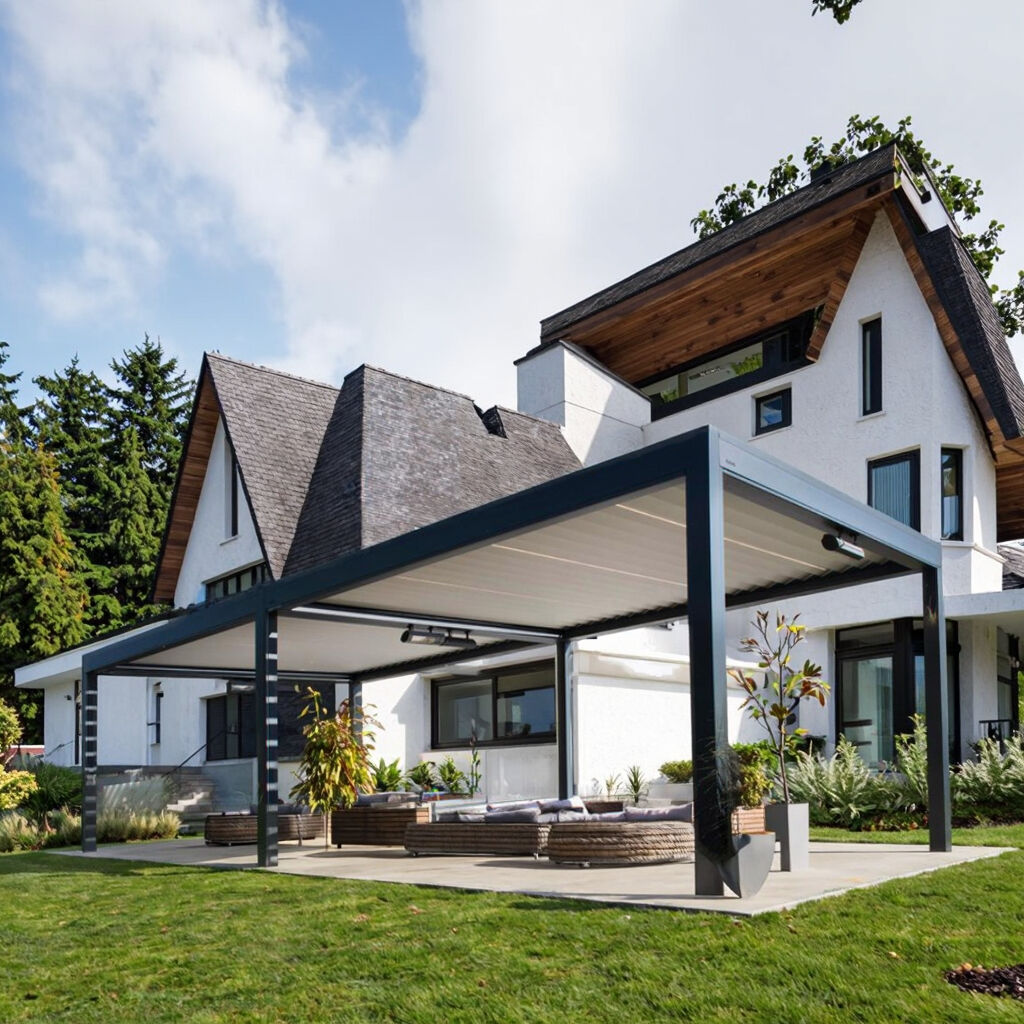
Transforming your outdoor space into a functional and aesthetically pleasing retreat has become a priority for homeowners seeking to enhance their property value and lifestyle. A pergola represents one of the most versatile and elegant solutions for creating defined outdoor living areas that seamlessly blend functionality with visual appeal. These architectural structures provide partial shade, support for climbing plants, and serve as focal points that elevate the overall design of gardens, patios, and outdoor entertaining spaces.
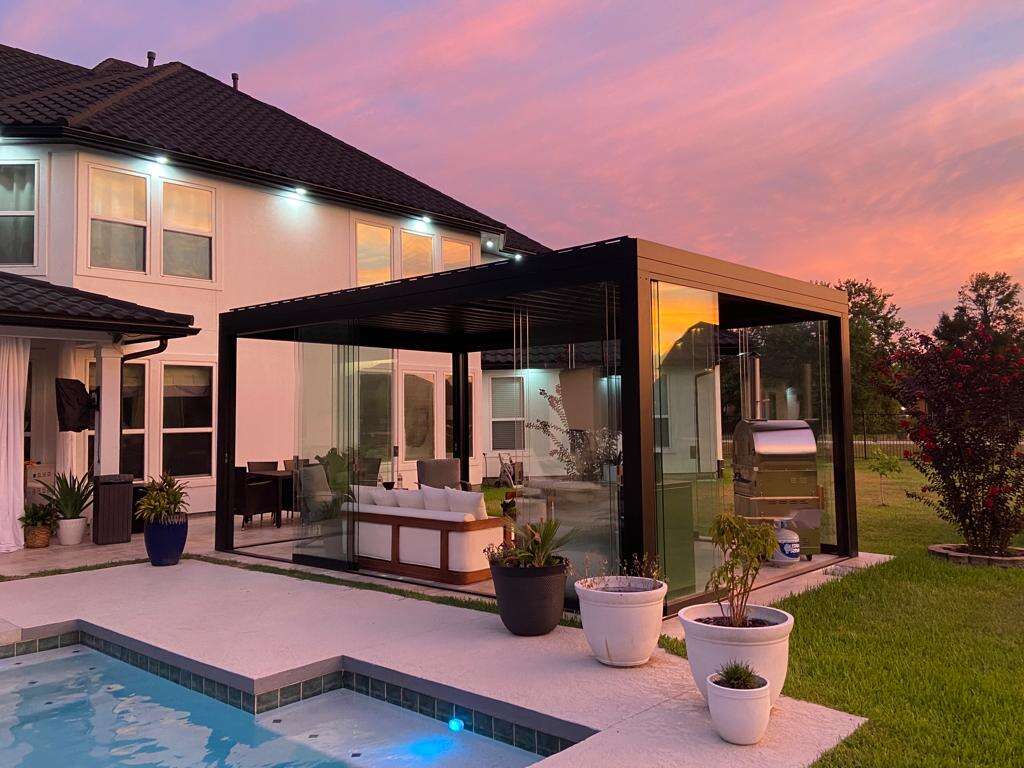
The growing popularity of outdoor living spaces has driven homeowners to explore various structural additions that maximize their property's potential. Modern pergola designs offer sophisticated solutions that complement contemporary architectural styles while providing practical benefits for outdoor activities. Unlike permanent roofing structures, a pergola creates an open-air environment that maintains connection with nature while offering protection from direct sunlight and weather elements.
Architectural Benefits of Pergola Installation
Design Versatility and Customization Options
Contemporary pergola construction allows for extensive customization to match existing architectural elements and personal preferences. Materials ranging from traditional wood to modern aluminum and composite materials provide options that suit various climate conditions and maintenance requirements. The structural framework can accommodate different roof configurations, including fixed louvers, retractable canopies, and open-beam designs that create unique shadow patterns throughout the day.
Integration with existing landscape features enhances the overall cohesion of outdoor spaces. A well-designed pergola serves as a transitional element between indoor and outdoor environments, creating seamless flow that encourages frequent use of outdoor areas. The vertical elements provide opportunities for incorporating climbing plants, lighting fixtures, and decorative elements that personalize the space according to individual tastes and functional needs.
Property Value Enhancement
Real estate professionals consistently recognize pergola installations as valuable additions that increase property marketability and resale value. These structures demonstrate thoughtful outdoor space planning and provide potential buyers with immediate visualization of outdoor living possibilities. The investment in quality pergola construction typically yields favorable returns through increased property valuation and enhanced curb appeal.
Market research indicates that well-executed outdoor improvements, including pergola installations, can increase property values by significant percentages depending on local market conditions and overall home value. The visual impact of a professionally installed pergola creates immediate positive impressions that differentiate properties in competitive real estate markets.
Functional Advantages for Outdoor Living
Climate Control and Comfort
Effective pergola design provides optimal balance between sun exposure and shade coverage, creating comfortable outdoor environments throughout various weather conditions. The partial roof structure allows for natural air circulation while reducing direct UV exposure, making outdoor spaces usable during peak sun hours. Strategic placement and orientation maximize morning shade while allowing afternoon light filtration that creates pleasant ambient lighting conditions.
Advanced pergola systems incorporate adjustable louver mechanisms that provide precise control over light and shadow patterns. These features enable users to adapt the space according to seasonal changes, time of day, and specific activities requiring different lighting conditions. The ability to fine-tune environmental conditions extends the usability of outdoor spaces throughout the year.
Entertainment and Social Space Creation
Modern pergola installations serve as natural gathering points that define outdoor entertainment areas and encourage social interaction. The structured framework provides clear boundaries that create intimate spaces within larger outdoor areas, making them ideal for hosting various types of gatherings from casual family meals to formal entertaining events.
Integration of electrical systems, sound equipment, and lighting fixtures transforms a basic pergola into a fully functional outdoor room capable of supporting diverse activities. The overhead structure provides mounting points for ceiling fans, speakers, and decorative lighting that enhance the ambiance and functionality of the space during evening events.
Material Selection and Construction Considerations
Durability and Maintenance Requirements
Selection of appropriate materials significantly impacts the long-term performance and maintenance requirements of pergola installations. Premium materials such as powder-coated aluminum and engineered composite materials offer superior weather resistance and require minimal ongoing maintenance compared to traditional wood options. These materials maintain structural integrity and aesthetic appeal through various climate conditions while reducing long-term ownership costs.
Professional installation ensures proper foundation work and structural connections that provide stability and longevity. Quality construction techniques include appropriate drainage considerations, expansion joint placement, and hardware selection that prevents common issues such as water damage, structural settling, and connection point failures that can compromise the integrity of the pergola structure.
Integration with Landscape Design
Successful pergola installation requires careful consideration of existing landscape elements and future landscaping plans. The structure should complement rather than compete with surrounding plant materials, hardscape features, and architectural elements. Strategic placement takes advantage of natural topography, existing mature trees, and prevailing wind patterns to optimize functionality and visual integration.
Coordination with professional landscape designers ensures that pergola placement supports overall outdoor space development goals. The structure can serve as a framework for vertical gardening, provide support for overhead vegetation, and create microclimates that support specific plant selections that enhance the overall landscape composition.
Cost-Effectiveness and Return on Investment
Initial Investment Considerations
Pergola installation represents a moderate investment compared to other outdoor structure options such as gazebos, pavilions, or screened porches. The cost-effectiveness becomes apparent when considering the versatility and multiple functions that a single pergola structure can provide. Professional installation ensures proper construction techniques that maximize the lifespan and performance of the investment.
Financing options and seasonal installation scheduling can help homeowners manage the initial investment while taking advantage of optimal construction conditions. Many contractors offer package deals that include design consultation, material selection, and installation services that provide comprehensive value compared to piecemeal approaches to outdoor space development.
Long-term Value and Utility
The extended usability period that pergola installation provides significantly increases the functional outdoor season for most climates. This extension translates into increased enjoyment of outdoor spaces and reduced reliance on indoor entertainment areas during favorable weather conditions. The structure serves multiple functions throughout different seasons, from providing shade during summer months to supporting holiday decorations and winter garden protection.
Maintenance costs remain minimal with quality pergola construction, particularly when compared to the ongoing expenses associated with indoor room additions or other permanent structure options. The open-air design eliminates many of the mechanical systems and weatherproofing requirements that increase the complexity and cost of enclosed outdoor structures.
Installation Process and Professional Considerations
Site Preparation and Planning
Proper site evaluation determines the optimal pergola placement that maximizes functionality while minimizing potential conflicts with existing infrastructure. Professional assessment includes analysis of drainage patterns, underground utilities, property boundaries, and local building code requirements that impact design and installation parameters.
Coordination with local authorities ensures compliance with zoning regulations and building permit requirements that vary by location and pergola size. Early planning phases should include consideration of future outdoor space development goals to ensure that pergola placement supports rather than limits future improvement options.
Professional Installation Benefits
Experienced pergola installers provide expertise in foundation preparation, structural assembly, and finishing techniques that ensure optimal performance and aesthetic results. Professional installation includes proper anchoring systems, level assembly, and weather sealing that prevents common problems associated with DIY installation attempts.
Warranty coverage and ongoing support services provide additional value through professional installation channels. Quality contractors stand behind their work with comprehensive warranties that protect the homeowner investment and provide recourse for addressing any installation-related issues that may arise during the warranty period.
FAQ
How long does pergola installation typically take
Professional pergola installation generally requires one to three days depending on the size, complexity, and site conditions. Simple installations on prepared surfaces can be completed within a single day, while larger custom structures requiring extensive site preparation may require several days. Weather conditions and permitting requirements can impact the overall timeline, so planning should include buffer time for potential delays.
What maintenance is required for pergola structures
Pergola maintenance requirements vary significantly based on material selection and local climate conditions. Aluminum and composite materials require minimal maintenance consisting of periodic cleaning and inspection of connection points. Wood pergolas require more intensive maintenance including annual staining or sealing, inspection for insect damage, and replacement of worn hardware components to maintain structural integrity.
Can pergolas be used year-round in all climates
Pergola usability throughout the year depends on local climate conditions and the specific design features incorporated into the structure. Cold climate installations benefit from wind protection panels and heating elements that extend usability into shoulder seasons. Hot climate installations focus on enhanced shade coverage and ventilation features that maintain comfort during extreme temperature periods.
Do pergolas require building permits for installation
Building permit requirements for pergola installation vary by local jurisdiction and structure size. Many areas require permits for pergolas exceeding certain dimensions or those requiring concrete footings. Consultation with local building departments early in the planning process ensures compliance with applicable regulations and prevents potential legal issues that could arise from unpermitted construction activities.