EN


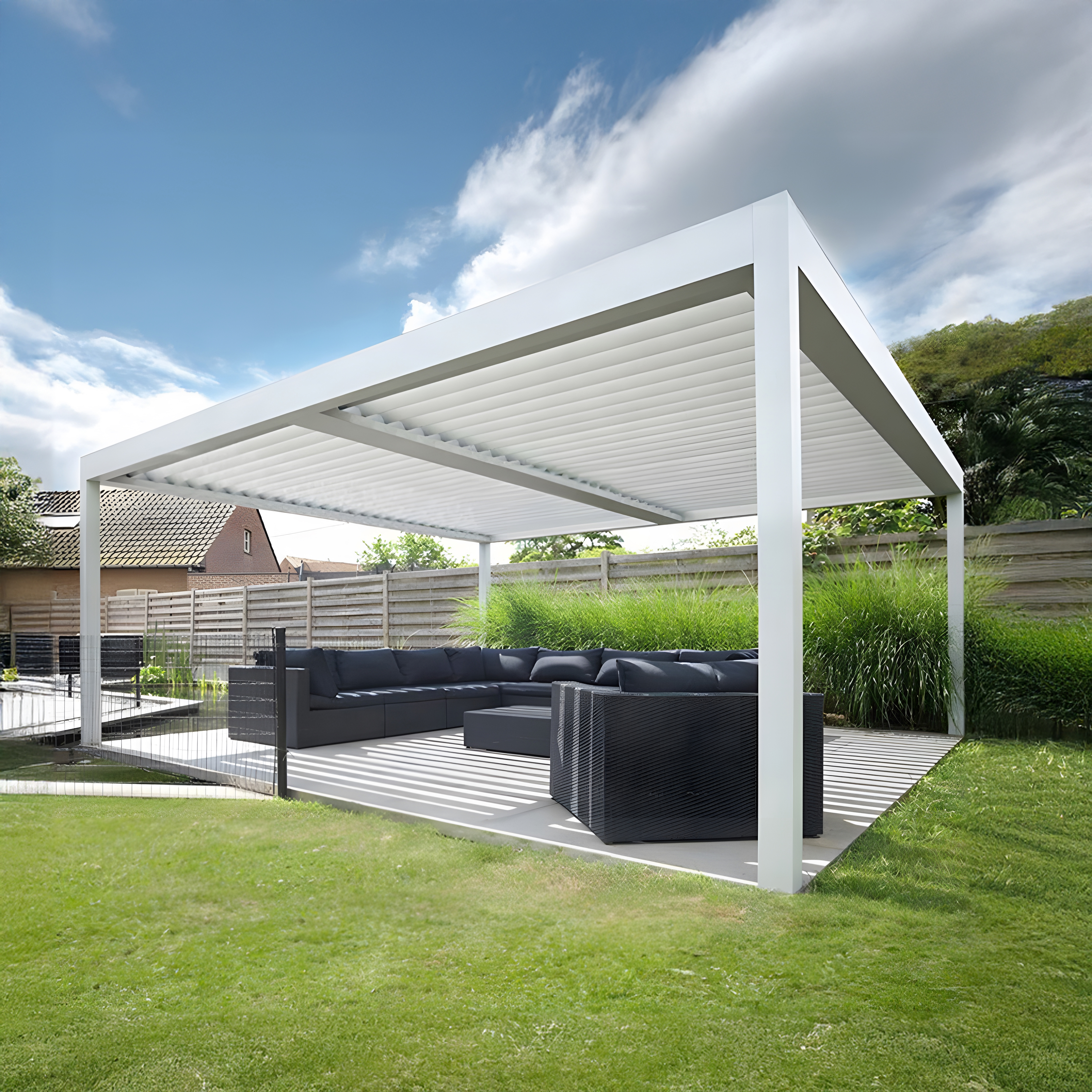
Selecting the right garden pavilion pergola for your outdoor space requires understanding how different designs align with your property size, climate, and functional needs. A well-chosen pergola transforms your backyard into an inviting retreat while providing practical shade and structural appeal that complements your home's architecture.
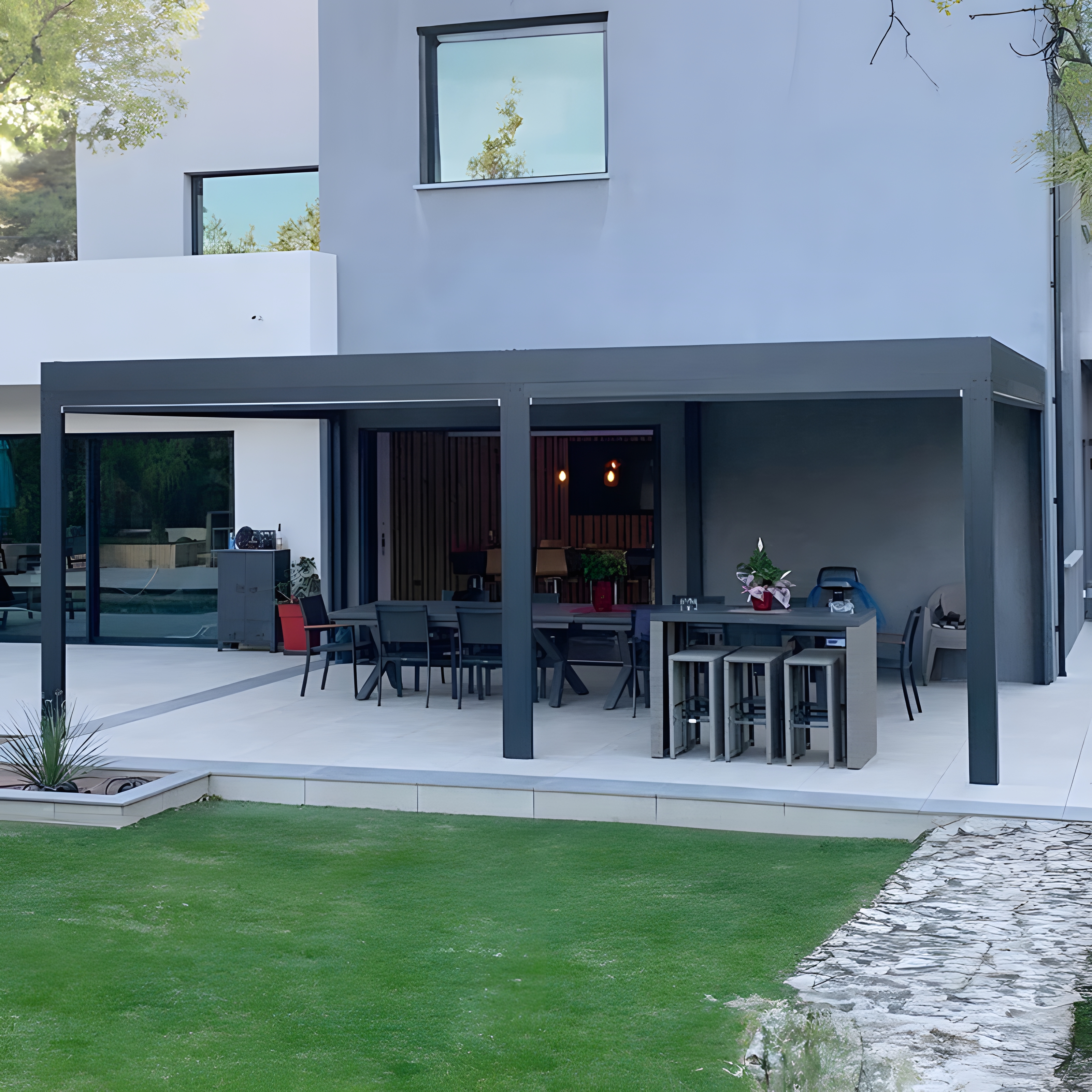
The outdoor shade structure installation process and backyard covered patio design philosophy depend heavily on matching the pergola type to your specific outdoor environment. Whether you prioritize aesthetic elegance, maximum shade coverage, or weatherproof durability, understanding the key categories and material options ensures your investment delivers long-term value and satisfaction.
Assessing Your Space and Climate Requirements
Measuring Available Area
Before selecting a garden arbor or pavilion, accurately measure your available outdoor space. Determine whether you need a compact structure for a small patio or a larger garden pavilion pergola that anchors a substantial backyard entertaining zone. Consider overhead clearance, proximity to trees, and potential wind exposure when evaluating outdoor shade structure installation sites. A structure that fits the physical dimensions but creates traffic flow problems or blocks sightlines may diminish your outdoor space's usability despite its visual appeal.
Climate and Weather Considerations
Regional climate directly influences which pergola design and garden arbor weatherproof materials will perform reliably. In areas with heavy rainfall, selecting pergola styles with minimal horizontal slats or integrated drainage channels prevents water pooling and extends material lifespan. High wind zones demand sturdy anchoring systems and durable construction that resists structural stress. UV-intense climates require fade-resistant finishes and materials that maintain appearance through years of sun exposure, making weatherproof materials essential for long-term satisfaction with your backyard covered patio design.
Material and Construction Style Options
Wood Versus Metal and Composite Materials
Traditional wood garden pavilion pergolas offer warm aesthetic appeal and natural integration into landscaping, but require regular maintenance including staining, sealing, and inspection for decay. Aluminum and steel outdoor shade structures provide superior durability, minimal maintenance, and consistent performance across climate variations. Composite materials blend the visual warmth of wood with the low-maintenance benefits of engineered polymers, making them an increasingly popular choice for backyard covered patio design projects. Each material category affects both initial investment and long-term maintenance responsibility, so selecting the right option depends on your maintenance tolerance and climate demands.
Weatherproof Material Specifications
Garden arbor weatherproof materials must withstand local environmental pressures while maintaining structural integrity. Pressure-treated lumber resists rot but requires periodic resealing to maintain weatherproof protection. Aluminum naturally resists corrosion and requires only occasional cleaning, making it ideal for coastal or humid environments. Stainless steel components offer superior corrosion resistance in salt-air conditions. When specifying outdoor shade structure installation materials, verify that connectors, fasteners, and joints receive equal weatherproof treatment as primary structural elements, since failure points typically occur at material interfaces rather than solid surfaces.
Design Integration and Functional Considerations
Shade Coverage and Aesthetic Harmony
The slat spacing and orientation in your garden pavilion pergola directly affect shade effectiveness and visual openness. Wider slat spacing creates dappled shade and maintains sight lines through the structure, while closer spacing or directional orientation provides denser afternoon shade. A well-designed backyard covered patio design complements your home's architectural style, whether through matching materials, proportional scaling, or cohesive color selections. Pergolas with adjustable louvers offer flexible shade control, allowing occupants to modify coverage throughout the day as sun position changes.
Functionality and Attachment Methods
Free-standing garden pavilion pergolas offer maximum placement flexibility, while attached structures create seamless transitions between indoor and outdoor living spaces. Outdoor shade structure installation methods vary significantly based on ground conditions, foundation requirements, and local building codes. Some backyard covered patio design projects benefit from integrated utilities like electrical wiring for lighting, misting systems for cooling, or structural support for climbing plants and hanging gardens. Evaluate whether your pergola should anchor permanent landscape features or remain removable for seasonal adjustments, as this choice affects both initial installation complexity and long-term adaptability.
FAQ
How long does outdoor shade structure installation typically take?
Installation timeframe for a garden pavilion pergola depends on size, material type, site preparation requirements, and whether professional installation or customer assembly is involved. Simple freestanding structures may install in one day, while attached or custom designs requiring foundation work might require several days. Professional outdoor shade structure installation ensures proper anchoring, alignment, and weatherproof material sealing that extends overall durability. Review installation expectations with your supplier before purchasing to understand labor requirements and scheduling considerations.
What maintenance does garden arbor weatherproof materials require annually?
Maintenance varies by material selection for your backyard covered patio design. Aluminum requires occasional cleaning and fastener inspection, while wooden pergolas need annual staining or sealing reapplication. Composite materials typically require only surface cleaning and periodic fastener tightening. Most garden pavilion pergola owners benefit from a spring inspection checklist addressing fastener tightness, material finish condition, drainage clearance, and structural stability, ensuring your outdoor shade structure installation continues performing reliably throughout its lifespan.
Can a garden pavilion pergola be relocated after installation?
Freestanding structures offer excellent relocation potential once installed, while attached garden pavilion pergola designs or those with permanent foundation anchors typically cannot be moved without significant modification. If flexibility ranks high in your planning priorities, specify a free-standing configuration for your backyard covered patio design that allows seasonal repositioning or future rearrangement. When planning outdoor shade structure installation, consider whether your space needs might evolve, affecting whether permanent attachment or flexibility better serves your long-term outdoor living goals.