EN
EN
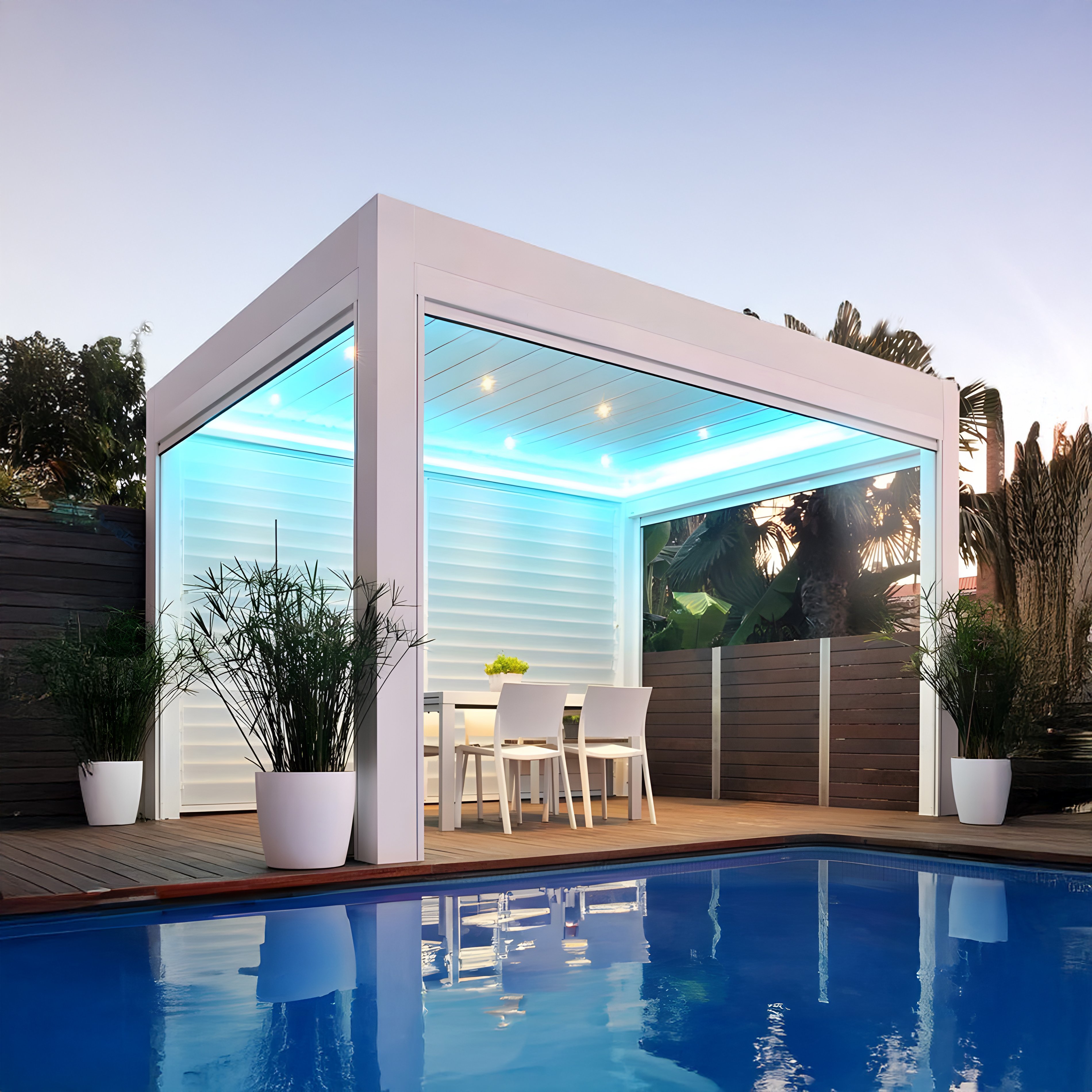
Selecting the right commercial pergola requires understanding how different design options align with your specific outdoor environment, business goals, and guest experience priorities. A commercial pergola is not simply a standalone structure—it serves as a multifunctional element that defines space, enhances aesthetics, manages sunlight, and creates inviting commercial outdoor living spaces where customers linger, dine, and return. Whether you operate a restaurant, hospitality venue, retail establishment, or corporate campus, the pergola you choose fundamentally impacts how guests perceive and use your outdoor areas.
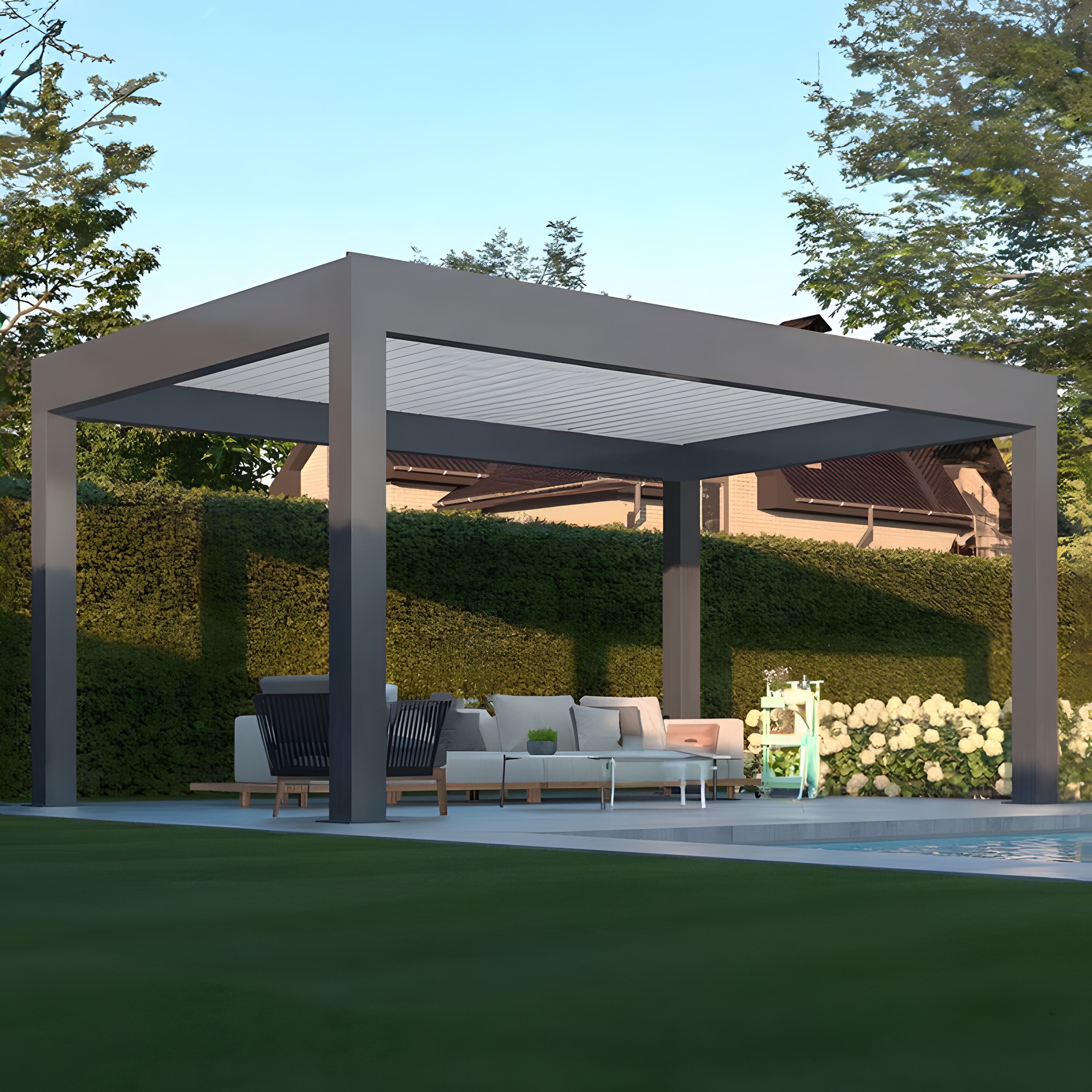
The outdoor shade structures for businesses available today span a range of configurations, materials, and features that cater to distinct operational demands and aesthetic visions. From fixed architectural installations to retractable systems, from minimal slat designs to fully adjustable louvers, each category offers unique advantages and trade-offs. Understanding these distinctions helps you invest in a solution that not only fits your immediate spatial constraints but also supports long-term operational flexibility and brand positioning in competitive hospitality and commercial markets.
Space Configuration and Pergola Fit
Assessing Your Available Footprint
The first step in choosing a commercial pergola involves mapping the actual dimensions, orientation, and existing features of your outdoor area. Measure length, width, and ceiling height constraints imposed by adjacent structures, utility lines, or safety regulations. A compact rooftop terrace demands a different pergola strategy than a sprawling garden courtyard or a narrow sidewalk café extension. Restaurant patio pergola systems designed for intimate seating clusters differ significantly from overhead canopies intended to shade an entire parking area or open plaza.
Consider foot traffic patterns, entry and exit points, and sightlines from inside your establishment. A pergola positioned to frame a view from interior windows creates visual continuity, while structural placement near pathways should avoid blocking sight lines or creating awkward traffic flow. Additionally, assess whether your space benefits from partial shade, full shade, or transitional zones where guests move between sunlit and shaded areas. This assessment directly influences whether you need fixed structural coverage or a more flexible outdoor shade structure.
Growth and Seasonal Variation
Commercial outdoor living spaces often experience seasonal demand fluctuations, so your pergola choice should accommodate future expansion or contraction of usable area. A modular commercial pergola system allows you to add or remove sections as occupancy rates shift between peak and off-peak seasons. Fixed structures work well for year-round installations, but seasonal businesses may benefit from removable attachments, adjustable louver panels, or retractable fabrics that adapt to changing weather and operating schedules.
Material Selection and Durability Performance
Weather Resistance and Maintenance Demands
The material composition of your commercial pergola directly affects longevity, maintenance frequency, and total cost of ownership over ten to twenty years. Aluminum structures offer lightweight durability with minimal rust concerns, while wood pergolas provide warmth and natural aesthetics but demand regular staining, sealing, and pest inspections. Steel constructions deliver structural strength and bold visual impact but require protective coatings and periodic rust management. Composite materials combine low maintenance with aesthetic flexibility but vary widely in UV resistance and thermal expansion characteristics.
In coastal environments, salt spray corrosion accelerates material degradation, making powder-coated aluminum or marine-grade composites preferable to bare steel. High-wind regions require heavier gauge materials and deeper foundation systems. Heavy snowfall areas benefit from sloped pergola designs or retractable shade structures that prevent snow accumulation. When evaluating an outdoor shade structure for businesses in your location, prioritize materials that match your regional climate stressors rather than selecting options based solely on initial cost or appearance.
Fabric and Shade Layer Options
Many modern commercial pergola designs incorporate fabric components, retractable louvers, or polycarbonate panels that enhance shade control and weather protection. High-performance outdoor fabrics resist UV degradation, moisture retention, and mildew growth, extending aesthetic lifespan and reducing replacement cycles. Motorized retractable systems allow restaurant patio pergola systems to adapt throughout the day, opening during mild weather to maintain guest connection with natural light and closing during intense midday heat or unexpected rain. Remote-controlled or sensor-driven automation further elevates the guest experience and operational efficiency.
Functionality and Operational Integration
Integrated Amenities and Technology
Contemporary commercial outdoor living spaces increasingly incorporate integrated lighting, heating, audio, and irrigation systems within or alongside the pergola structure. LED lighting transforms evening ambiance and extends service hours into twilight and night, while radiant heaters maintain comfort during shoulder seasons or cool evenings. Discreet speakers support background music or event announcements without visual clutter. These integrated systems require thoughtful electrical planning and connection to building infrastructure, so early coordination with contractors and building services teams prevents costly retrofits.
Drainage and water management deserve equal attention. Pergolas with solid or semi-solid shade components must direct rainfall away from seating areas through gutters, downspouts, or sloped surface designs. When rain runoff interacts with outdoor shade structures for businesses, poor drainage can create water pooling, mold growth, or flooding that compromises guest safety and structural integrity. Specify drainage solutions during the design phase rather than attempting post-installation corrections.
Regulatory Compliance and Safety Standards
Commercial structures fall under local building codes, wind load requirements, electrical safety standards, and accessibility regulations that vary by jurisdiction and use classification. Your commercial pergola must withstand specified wind speeds, typically 90 to 120 miles per hour depending on location. Electrical components require proper grounding, weatherproofing, and compliance with National Electrical Code standards. Accessible routes beneath or around restaurant patio pergola systems must meet Americans with Disabilities Act requirements, including clear widths, grade changes, and seating provisions for guests with mobility limitations.
Building permits and inspections protect your business from liability while ensuring structural safety and community code compliance. Engage architects or engineers early to confirm that your chosen commercial pergola design meets or exceeds all applicable standards. This professional involvement adds initial cost but prevents expensive corrections, legal disputes, and guest safety incidents that damage brand reputation.
FAQ
What size commercial pergola works best for a small restaurant patio with limited space?
For compact patios, a streamlined pergola design with vertical louvers or open-slat construction maximizes shade while minimizing visual bulk and structural weight on smaller foundations. Retractable fabric or motorized louver systems offer flexibility to adjust shade throughout the day without expanding the footprint. Consider vertical integration of amenities like heating or lighting rather than adding horizontal extensions that consume space. Working with a designer who specializes in restaurant patio pergola systems ensures optimal proportioning and traffic flow for intimate seating clusters.
How do I maintain an outdoor shade structure for my business during winter months?
Regular inspection for debris accumulation, ice buildup, and material degradation keeps your outdoor shade structures for businesses functioning safely year-round. Remove leaves and dirt from louvers or slat surfaces monthly to prevent mold growth and drainage blockage. Check fasteners and connections seasonally, especially after severe weather. If your commercial pergola includes fabric components, inspect for tears or UV damage and plan replacement during off-peak seasons. In heavy snow regions, consider removable or retractable solutions that prevent dangerous accumulation.
Can a commercial pergola system be expanded or reconfigured as my business grows?
Modular and extensible commercial pergola designs allow phased expansion without complete replacement, making them ideal for growing businesses. Aluminum and composite systems typically offer better scalability than fixed wood structures. When selecting a system, confirm that your manufacturer supplies matching components for future additions and that your initial foundation design accommodates planned growth. This forward-thinking approach to commercial outdoor living spaces protects your investment while supporting long-term operational flexibility.