EN
EN

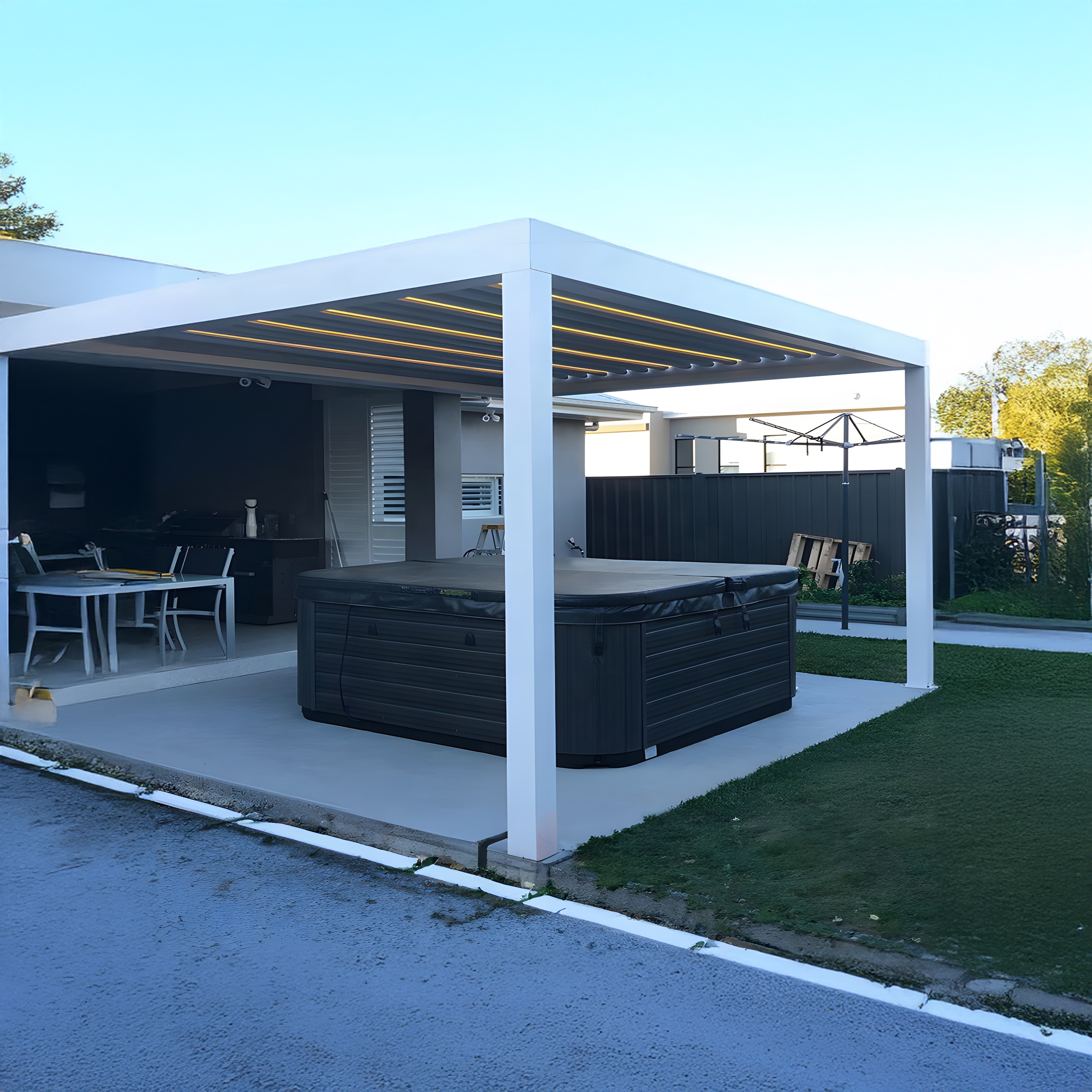
Selecting the right bioclimatic pergola requires more than aesthetic preference. As an outdoor investment that directly impacts comfort, energy efficiency, and property value, choosing a quality bioclimatic pergola demands careful evaluation across multiple technical, functional, and operational dimensions. Buyers must understand the core systems, material quality, automation capabilities, and long-term maintenance requirements before committing to a purchase.
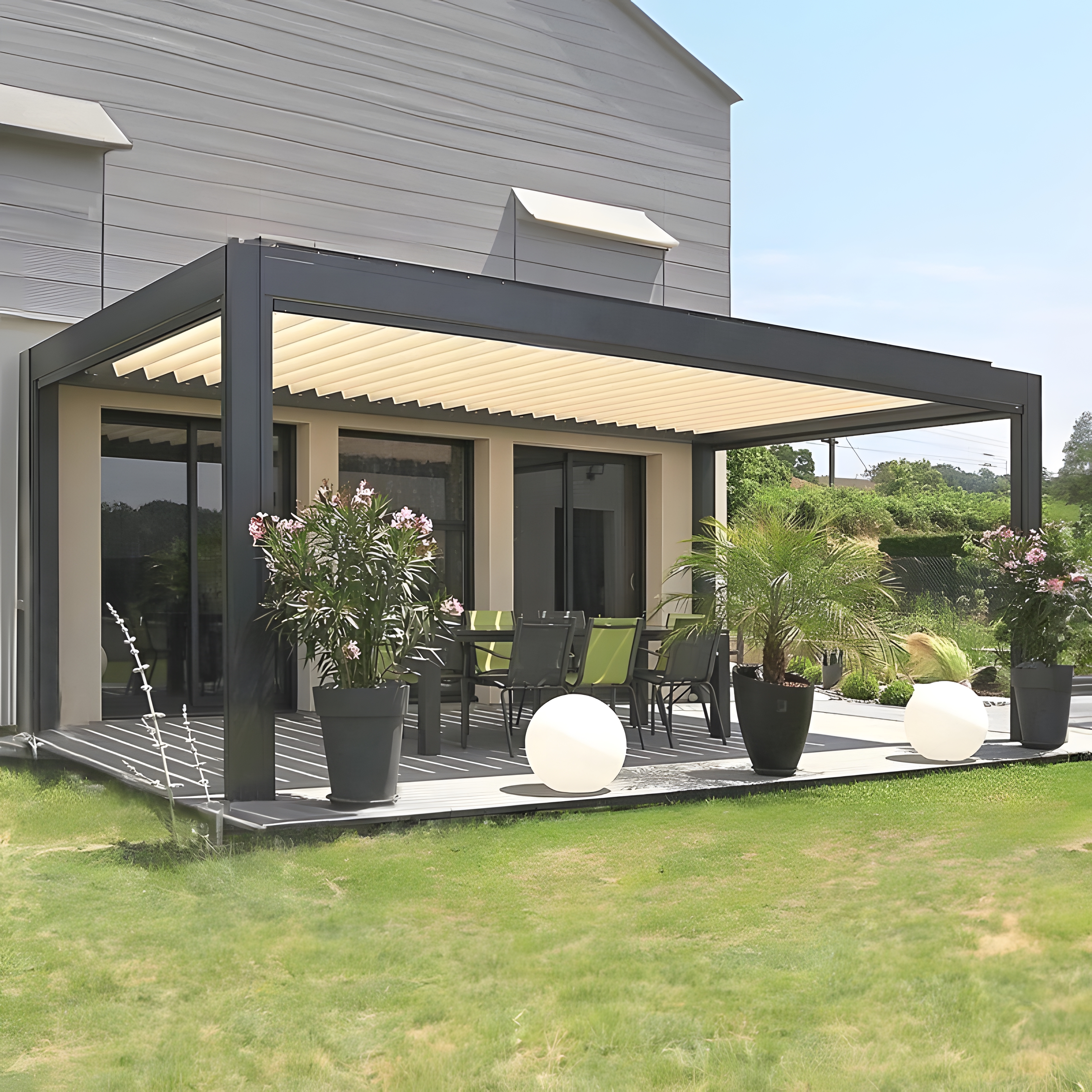
A bioclimatic pergola represents an advanced category of outdoor structures designed to adapt to changing weather and sunlight conditions. Unlike traditional pergolas, these systems feature motorized louvered roof systems that adjust automatically or manually to optimize shade, ventilation, and climate control. Understanding what to evaluate during the sourcing process protects your investment and ensures the structure meets your specific outdoor needs and environmental conditions.
Evaluating Motorized Louvered Roof Systems
Motor Power and Responsiveness
The motor in motorized louvered roof systems is the functional heart of any bioclimatic pergola. Examine the motor specifications, including wattage, torque, and duty cycle ratings. Quality motors should operate smoothly with minimal noise, typically under 75 decibels. Test the opening and closing speed—most reliable systems complete a full rotation in 20 to 40 seconds. Check whether the motor includes built-in safety features such as obstruction detection and automatic reversal, which prevent damage to the louvers and injury to occupants.
Control and Automation Features
Modern motorized louvered roof systems should offer multiple control methods. Remote controls, smartphone apps, and voice integration provide convenience and flexibility. Look for sensors that detect wind speed, rain, and temperature, allowing the louvers to adjust automatically during adverse weather. This automation transforms your bioclimatic pergola into a responsive structure that protects your outdoor space without requiring manual intervention. Verify that backup manual operation exists in case of power loss.
Assessing Outdoor Patio Shading Solutions
Louver Design and Material Quality
The louver blades form the core component of outdoor patio shading solutions. Evaluate material composition—aluminum louvers offer lightweight strength and corrosion resistance, while steel provides enhanced durability for high-wind areas. Check the blade angle range; a bioclimatic pergola with adjustable angles from 0 to 180 degrees delivers maximum flexibility for sun control and ventilation. Inspect the surface treatment; powder coating or anodizing should provide UV and weather protection lasting 10 years or more.
Shading Performance and Transparency
Outdoor patio shading solutions must balance sun protection with light transmission. A properly designed bioclimatic pergola should achieve 80 to 95 percent shading when louvers are fully closed while allowing soft filtered light when partially open. Request solar heat rejection specifications and test the actual temperature reduction under your regional sun conditions. Consider blade spacing—tighter spacing increases shading effectiveness but may reduce airflow. Verify that the system prevents direct UV rays from reaching seating areas, protecting occupants and preventing furniture fading.
Examining Climate-Adaptive Garden Structures
Weather Resistance and Durability
Climate-adaptive garden structures must withstand diverse environmental stresses. Inspect the frame construction—welded aluminum or stainless steel frames resist corrosion better than bolted connections. Check the wind load rating; a quality bioclimatic pergola should handle sustained winds of 40 to 50 mph without damage. Evaluate drainage design—water should flow away from electrical components and motor housing. Ask about snow load capacity if you operate in cold climates; most systems safely support 20 to 40 pounds per square foot of roof area.
Seasonal Performance and Maintenance
True climate-adaptive garden structures perform reliably across seasons. Outdoor patio shading solutions should function in freezing temperatures, high humidity, and intense UV exposure. Inquire about the bioclimatic pergola's thermal expansion tolerances—materials move slightly with temperature changes, and poor design leads to binding louvers or structural stress. Request a maintenance schedule covering lubrication, sensor cleaning, and electrical inspections. Confirm warranty coverage for motors and structural components, typically two to five years for quality systems.
Structural and Installation Considerations
Foundation and Mounting Requirements
Before purchasing, verify that your site meets the installation requirements for a bioclimatic pergola. Most motorized louvered roof systems require reinforced concrete footings or structural posts capable of supporting both the system weight and wind loads. Obtain detailed installation drawings and confirm compatibility with your existing deck, patio, or ground conditions. Professional installation is essential—improper mounting compromises the bioclimatic pergola's integrity and voids warranties.
Sizing and Custom Configurations
Outdoor patio shading solutions come in standard sizes, but custom configurations optimize your specific outdoor space. Measure your target area precisely, noting roof overhangs, trees, and obstacles. Consider future expansion—modular climate-adaptive garden structures allow adding sections later. Evaluate sidelighting options; motorized louvered roof systems sometimes include optional side panels or screens for enhanced protection and privacy. Ensure the bioclimatic pergola design complements your home's architecture and local building aesthetics.
Budget and Long-Term Value
Cost Breakdown and Hidden Expenses
A bioclimatic pergola's total cost extends beyond the system price. Request quotes that include motorized louvered roof systems components, installation labor, electrical work, permits, and transportation. Expect additional costs for site preparation, custom sizing, and optional features like integrated lighting or heating. Quality systems typically cost 30 to 50 percent more than basic models but deliver superior durability and automation features. Compare warranty terms and support availability across suppliers to avoid costly repairs.
Return on Investment and Operational Costs
Climate-adaptive garden structures increase property value and reduce energy expenses by optimizing natural cooling and heating. A bioclimatic pergola can lower cooling costs by 10 to 20 percent by reducing solar heat gain. Monthly electrical consumption for motorized louvered roof systems typically ranges from 5 to 15 dollars, depending on usage and automation frequency. Maintenance costs remain modest when you select weather-resistant materials and perform routine inspections. Calculate payback within 5 to 10 years through combined property appreciation and utility savings.
FAQ
What is the typical lifespan of a bioclimatic pergola system?
A well-maintained bioclimatic pergola typically lasts 15 to 25 years. The structural frame endures for decades when properly protected with corrosion-resistant materials like aluminum or stainless steel. Motors and electronic components usually require replacement after 10 to 15 years of regular use. Motorized louvered roof systems with high-quality construction and routine maintenance often exceed manufacturer estimates. Climate, usage intensity, and installation quality significantly influence actual lifespan.
Can outdoor patio shading solutions operate in extreme weather?
Most outdoor patio shading solutions include automatic sensors that close louvers during high winds or heavy rain to prevent damage. However, extreme weather conditions like hurricanes or ice storms may require manual intervention to protect motorized louvered roof systems. Weather-resistant design protects motors and electrical components from moisture and temperature extremes. Consult manufacturer specifications for your regional climate, and inquire about storm protection procedures to maintain your bioclimatic pergola safely.
What maintenance does a climate-adaptive garden structure require annually?
Annual maintenance for climate-adaptive garden structures includes cleaning louver surfaces, lubricating moving joints, and testing motorized louvered roof systems sensors and controls. Inspect frame connections for corrosion, and verify that water drainage remains unobstructed. Test the motor's responsiveness and check for unusual sounds. Remove accumulated debris from the roof structure. Most bioclimatic pergola owners spend 2 to 4 hours annually on maintenance to ensure optimal performance and longevity.