EN
EN
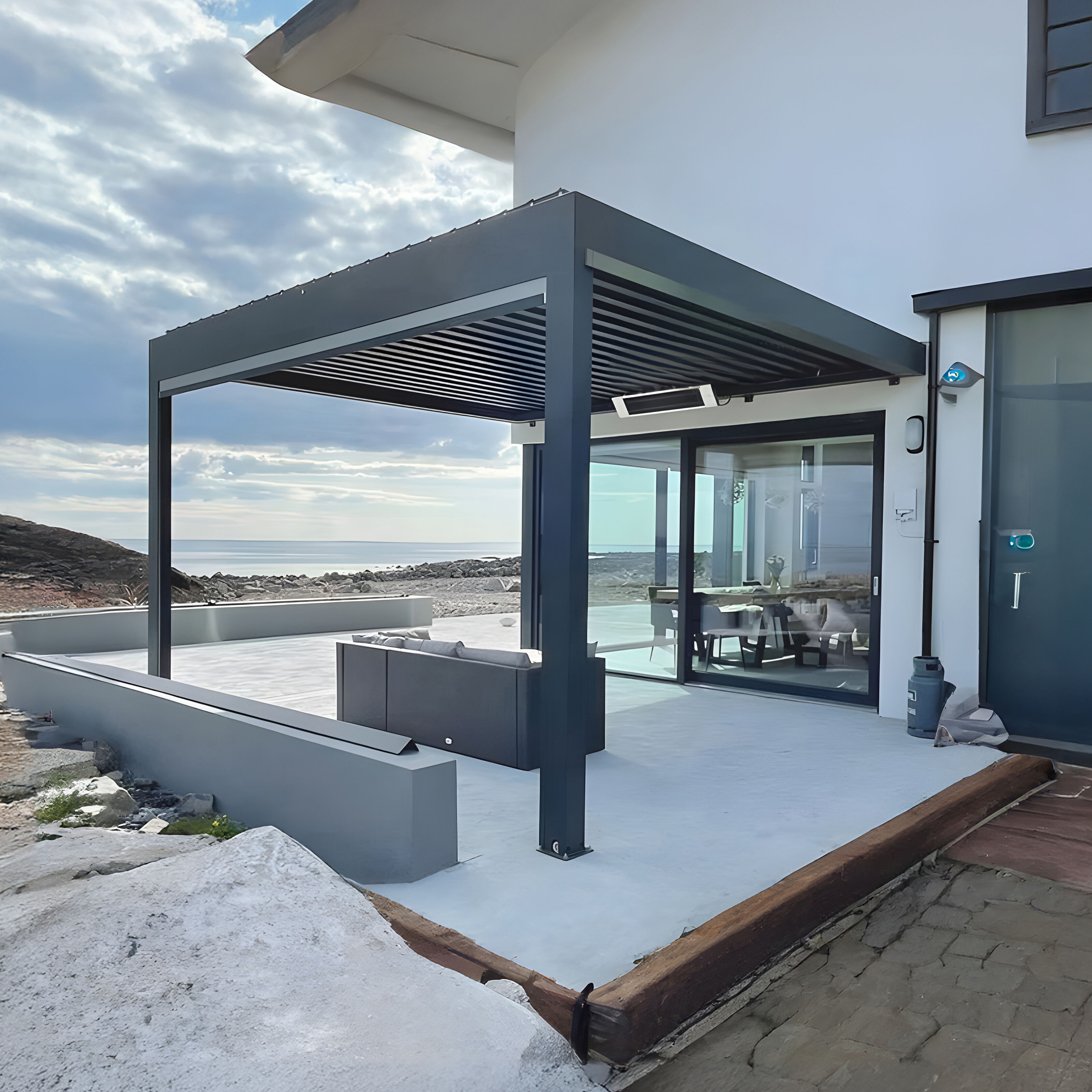
When designing outdoor spaces for businesses, restaurants, hotels, and public venues, selecting the right commercial pergola becomes a critical decision that impacts both functionality and long-term investment returns. Unlike residential structures, a commercial pergola must withstand constant use, varying weather conditions, and the demanding requirements of high-traffic environments while maintaining aesthetic appeal and operational efficiency.
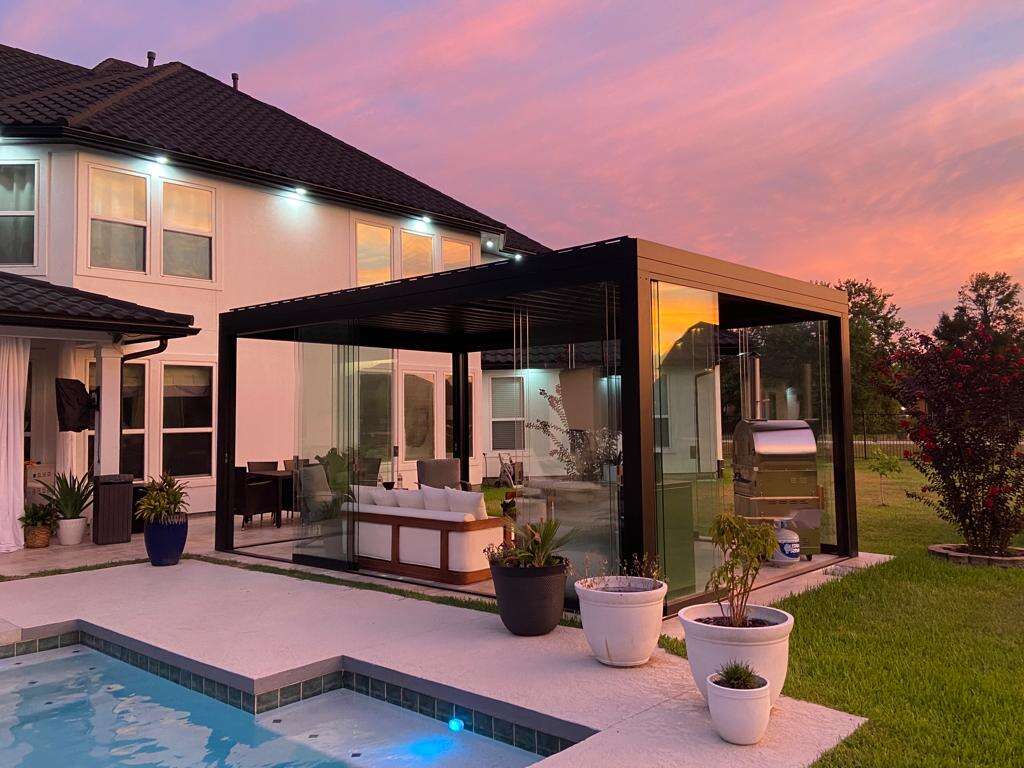
The selection process for a commercial pergola involves understanding specific performance requirements that go far beyond basic shelter provision. Modern commercial installations demand structures that combine durability, versatility, weather resistance, and compliance with commercial building codes. These considerations become even more crucial when the pergola serves high-traffic areas where safety, reliability, and continuous operation cannot be compromised.
Business owners and facility managers must evaluate numerous factors when choosing their ideal commercial pergola solution. From structural engineering requirements to maintenance considerations, each element plays a vital role in ensuring the pergola meets both immediate needs and long-term operational goals while providing excellent return on investment.
Structural Engineering and Load-Bearing Capacity
Foundation Requirements for Commercial Applications
Commercial pergola installations require substantially more robust foundation systems compared to residential applications. The foundation must accommodate increased wind loads, snow loads, and seismic forces that commercial structures typically encounter. Professional engineering calculations determine the appropriate footing depth, concrete specifications, and reinforcement requirements based on local building codes and site-specific conditions.
Proper foundation design for a commercial pergola involves soil analysis, drainage considerations, and integration with existing infrastructure. The foundation system must also account for potential future modifications or expansions, ensuring the structure can adapt to changing business needs without requiring complete reconstruction.
Frame Construction and Material Selection
The frame construction of a commercial pergola demands premium materials and engineering precision to handle continuous operational stresses. Heavy-duty aluminum extrusions, galvanized steel components, or engineered composite materials provide the strength and durability necessary for commercial environments. These materials must resist corrosion, maintain structural integrity under varying loads, and provide long service life with minimal maintenance requirements.
Advanced manufacturing techniques ensure consistent quality and precise tolerances in commercial pergola components. Welded joints, reinforced connection points, and engineered fastening systems create a cohesive structure capable of withstanding the demanding conditions typical in commercial installations while maintaining safety margins required by building codes.
Weather Protection and Environmental Control
All-Weather Performance Capabilities
High-traffic commercial pergola installations must provide reliable weather protection throughout the year, regardless of seasonal conditions. Advanced weather-resistant features include motorized retractable canopies, integrated drainage systems, and wind-resistant design elements that allow continued operation during various weather events while protecting occupants and equipment.
The weather protection system should incorporate smart controls that automatically respond to changing conditions, retracting or extending coverings based on wind speed, precipitation, or temperature thresholds. This automated functionality ensures continuous protection while reducing the need for manual intervention during operational hours.
Ventilation and Airflow Management
Effective ventilation design in a commercial pergola prevents heat buildup, moisture accumulation, and air stagnation that can create uncomfortable conditions for occupants. Strategic placement of ventilation openings, integration with mechanical ventilation systems, and consideration of natural airflow patterns optimize comfort levels while maintaining weather protection capabilities.
Advanced commercial pergola designs incorporate adjustable ventilation features that allow fine-tuning of airflow based on occupancy levels, weather conditions, and seasonal requirements. These systems may include automated louvers, integrated fans, or hybrid natural-mechanical ventilation solutions that optimize energy efficiency while maintaining comfortable environmental conditions.
Safety and Code Compliance Features
Building Code Adherence and Permitting
Commercial pergola installations must comply with stringent building codes, accessibility requirements, and safety regulations that vary by jurisdiction and intended use. Compliance involves structural engineering certifications, fire safety considerations, accessibility standards, and integration with existing building systems. Professional design and installation ensure all regulatory requirements are met while optimizing functionality and aesthetics.
The permitting process for a commercial pergola typically requires detailed engineering drawings, structural calculations, and coordination with local building officials. Early engagement with regulatory authorities streamlines the approval process and identifies potential modifications needed to achieve compliance without compromising design objectives.
Fire Safety and Emergency Systems
Fire safety considerations for commercial pergola installations include material selection, emergency egress planning, and integration with existing fire suppression systems. Non-combustible or fire-resistant materials, adequate spacing from heat sources, and clear evacuation routes ensure occupant safety while meeting insurance and regulatory requirements.
Advanced commercial pergola designs may incorporate integrated fire suppression systems, emergency lighting, and communication systems that enhance safety during emergency situations. These systems integrate with building-wide emergency management protocols, providing coordinated response capabilities that protect both occupants and property.
Technology Integration and Smart Controls
Automated Operation Systems
Modern commercial pergola installations benefit from sophisticated automation systems that optimize operation, reduce labor requirements, and enhance user experience. Automated controls manage retractable coverings, adjustable louvers, integrated lighting, and ventilation systems based on programmed schedules, sensor inputs, or manual override commands.
Smart control systems for commercial pergola applications often integrate with building management systems, allowing centralized monitoring and control alongside other facility systems. This integration provides operational efficiency, predictive maintenance capabilities, and comprehensive performance monitoring that supports informed decision-making and cost optimization.
Lighting and Audio Visual Integration
Commercial pergola designs increasingly incorporate integrated lighting systems, audio equipment, and audiovisual displays that enhance functionality and create engaging environments for commercial applications. LED lighting systems provide energy-efficient illumination with programmable controls for different operational scenarios, from subtle ambient lighting to full illumination for evening events.
Advanced commercial pergola installations may include integrated speakers, projection systems, or digital displays that support business operations, entertainment, or informational purposes. These systems require careful planning for power distribution, signal routing, and weather protection while maintaining aesthetic integration with the overall design.
Maintenance and Longevity Considerations
Preventive Maintenance Programs
Commercial pergola installations require comprehensive maintenance programs that ensure continued performance, safety, and aesthetic appeal throughout their service life. Regular inspection schedules, preventive maintenance procedures, and prompt repair protocols minimize downtime while maximizing the investment return from the pergola installation.
Effective maintenance programs for commercial pergola systems include documentation of all maintenance activities, performance monitoring, and coordination with qualified service providers. Predictive maintenance approaches using sensor data and performance analytics can identify potential issues before they result in system failures or safety concerns.
Material Durability and Replacement Planning
Long-term durability of a commercial pergola depends on material selection, environmental protection, and planned replacement of wear components. High-quality materials with proven track records in commercial applications provide the best value through extended service life and reduced maintenance requirements, while replacement planning ensures continued operation without unexpected disruptions.
Commercial pergola designs should incorporate modular components that allow selective replacement or upgrading without affecting the entire structure. This approach minimizes maintenance costs while allowing adaptation to changing requirements or technology improvements over the pergola's service life.
Cost Analysis and Return on Investment
Initial Investment Considerations
The initial investment in a commercial pergola involves multiple cost components including design and engineering, materials, installation, permits, and site preparation. While commercial pergola installations require higher upfront investment compared to residential applications, the enhanced durability, functionality, and compliance features provide superior long-term value for commercial applications.
Cost optimization for commercial pergola projects involves balancing initial investment with operational requirements, maintenance costs, and expected service life. Professional consultation during the planning phase helps identify the most cost-effective solutions that meet performance requirements while staying within budget constraints.
Operational Benefits and Revenue Generation
Commercial pergola installations often generate direct revenue through expanded usable space, extended operating seasons, and enhanced customer experience. Restaurants, hotels, event venues, and retail establishments benefit from additional covered outdoor space that can be utilized year-round, increasing capacity and revenue potential while providing differentiated customer experiences.
The operational benefits of a well-designed commercial pergola extend beyond direct revenue generation to include reduced utility costs, improved property values, and enhanced brand image. These factors contribute to comprehensive return on investment calculations that justify the initial investment through multiple benefit streams over the pergola's service life.
FAQ
What structural requirements must a commercial pergola meet for high-traffic areas
A commercial pergola for high-traffic areas must meet specific structural requirements including engineered foundations capable of handling increased loads, reinforced frame construction using commercial-grade materials, and compliance with local building codes for commercial structures. The design must account for wind loads, snow loads, seismic forces, and occupancy loads significantly higher than residential applications. Professional structural engineering ensures the pergola meets safety factors required for commercial use while providing long-term durability under continuous operation.
How do automated control systems enhance commercial pergola functionality
Automated control systems significantly enhance commercial pergola functionality by providing responsive operation based on weather conditions, scheduled programs, and user preferences. These systems can automatically retract coverings during high winds, extend shade during sunny periods, and adjust ventilation based on occupancy levels. Integration with building management systems allows centralized monitoring and control, reducing labor requirements while optimizing performance. Smart controls also provide predictive maintenance capabilities and operational data that support informed decision-making.
What maintenance requirements should businesses expect with commercial pergola installations
Commercial pergola installations require comprehensive maintenance programs including regular inspections of structural components, cleaning and lubrication of moving parts, testing of automated systems, and preventive replacement of wear components. Maintenance schedules typically involve monthly visual inspections, quarterly detailed inspections, and annual professional servicing. The specific requirements depend on environmental conditions, usage intensity, and system complexity. Proper maintenance ensures safety compliance, extends service life, and maintains optimal performance throughout the pergola's operational life.
How do commercial pergolas provide return on investment for businesses
Commercial pergola installations provide return on investment through multiple channels including expanded usable space that generates direct revenue, extended operating seasons that increase capacity utilization, and enhanced customer experience that drives repeat business. Additional benefits include reduced utility costs through natural shading and ventilation, improved property values, and enhanced brand image. The combination of direct revenue generation and operational cost savings typically provides positive return on investment within 3-5 years, depending on the specific application and utilization levels.
Table of Contents
- Structural Engineering and Load-Bearing Capacity
- Weather Protection and Environmental Control
- Safety and Code Compliance Features
- Technology Integration and Smart Controls
- Maintenance and Longevity Considerations
- Cost Analysis and Return on Investment
-
FAQ
- What structural requirements must a commercial pergola meet for high-traffic areas
- How do automated control systems enhance commercial pergola functionality
- What maintenance requirements should businesses expect with commercial pergola installations
- How do commercial pergolas provide return on investment for businesses