EN
EN
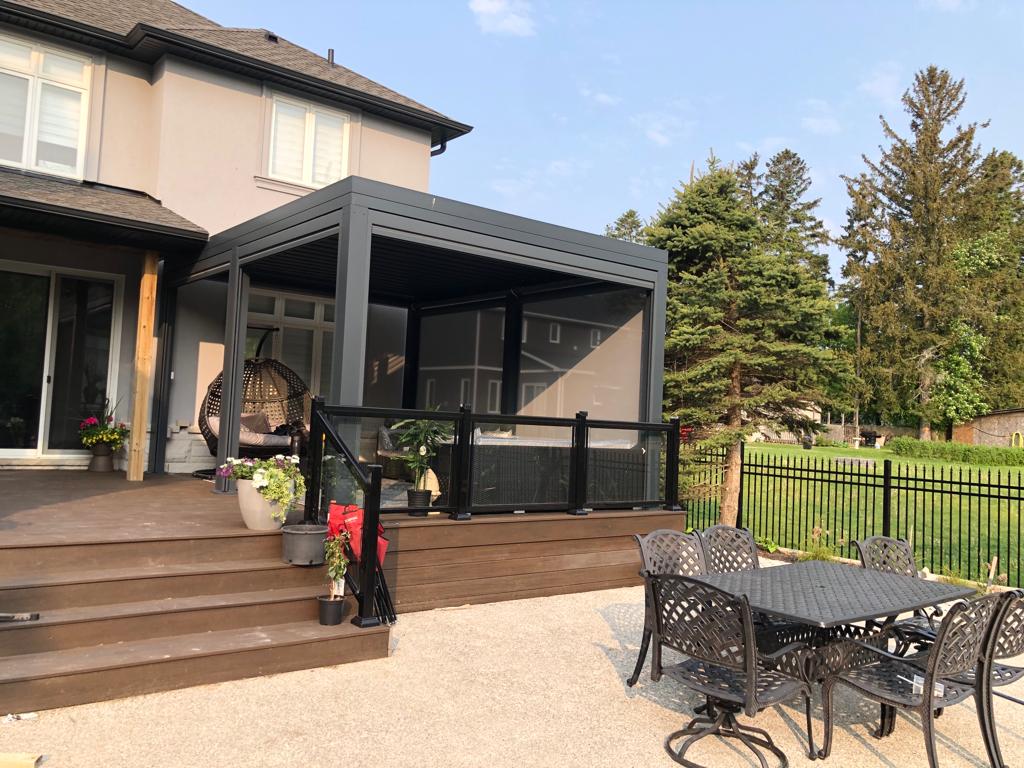
Selecting the right louvered pergola for your outdoor project requires understanding your specific needs, climate conditions, and budget constraints. A louvered pergola offers versatile shade control through adjustable slats that can be tilted to manage sunlight, ventilation, and weather protection. Unlike fixed pergolas, this solution adapts to seasonal changes and daily preferences, making it an intelligent investment for residential and commercial outdoor spaces.
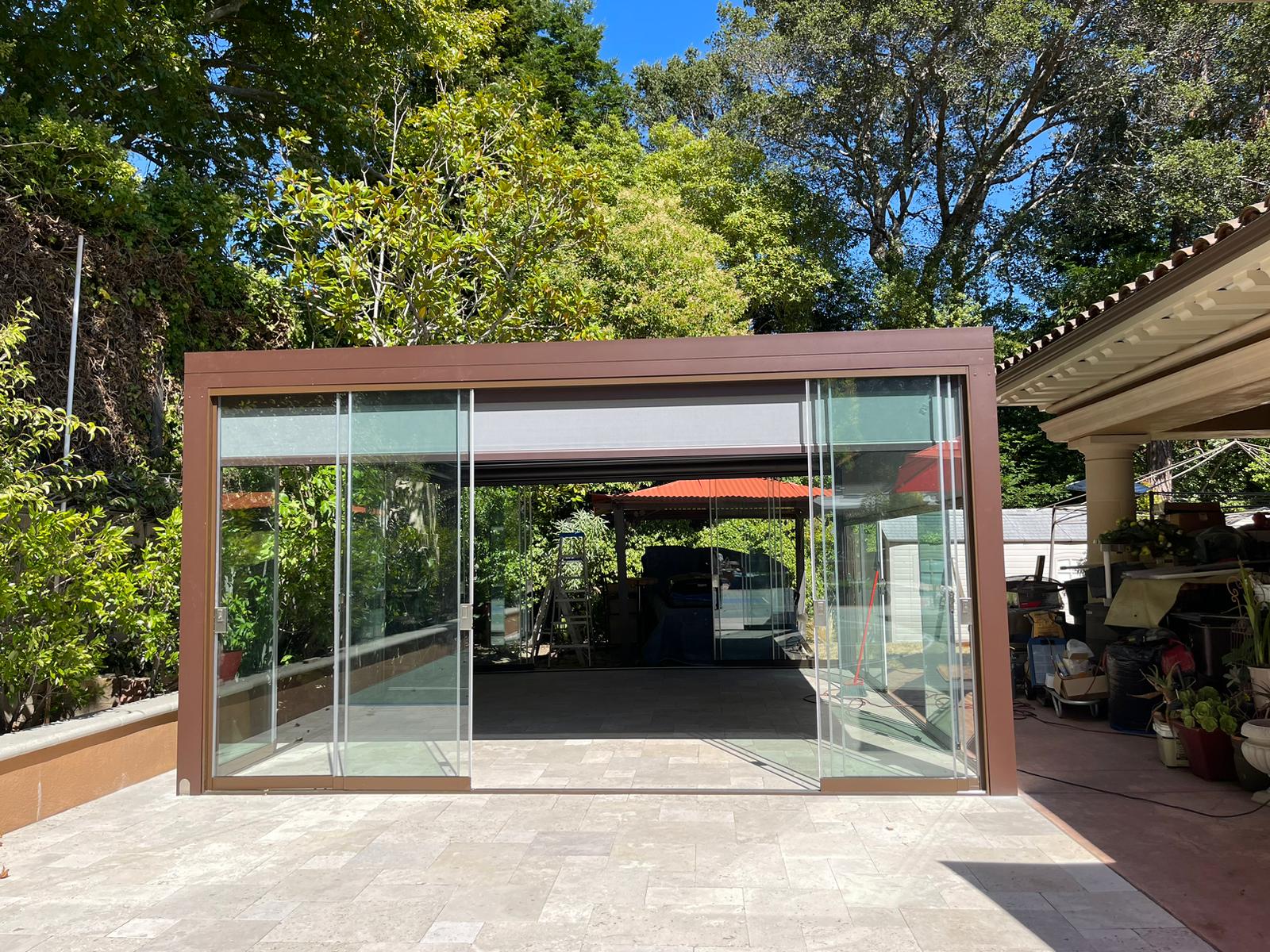
The process of choosing a louvered pergola involves evaluating structural durability, control mechanisms, aesthetic alignment with your property, and long-term maintenance requirements. Whether you prioritize manual adjustability or seek a motorized pergola roof solution, understanding the key decision factors will help you identify a shade system that delivers both functionality and visual appeal while protecting your outdoor living area from excessive heat and rain.
Understanding Louvered Pergola Options and Control Systems
Manual Versus Motorized Louver Operation
A louvered pergola can be operated manually through hand cranks or chains, or controlled via motorized systems that offer convenience and precise positioning. Manual adjustable pergola louvers require physical effort but provide a reliable, low-maintenance option with no electrical components to service. Motorized pergola roof systems integrate electric motors and remote controls, allowing users to adjust louvers from inside the home or through smartphone apps, delivering enhanced comfort for larger outdoor areas or frequently used spaces.
Motorized solutions excel in high-end residential and commercial applications where convenience justifies the initial cost and periodic maintenance. The choice between manual and motorized operation depends on your usage frequency, physical capability, and willingness to invest in smart home technology integration. Consider the size of your outdoor area, the number of times daily you might adjust the shade, and whether remote control features align with your lifestyle expectations.
Louver Angle and Shade Coverage Capability
The pergola shade system's ability to tilt louvers from fully open to nearly closed determines how effectively it blocks sunlight and rain. Look for models offering adjustable pergola louvers with angles ranging from zero to ninety degrees, giving maximum flexibility across seasons. A louvered pergola with broader angle ranges protects against low-angle morning and evening sun while maintaining airflow during peak heat hours, balancing temperature control with natural ventilation.
Different louver profiles affect both shade quality and rainfall protection. Wider slats typically provide better rain shedding, while narrower designs minimize visual obstruction when fully opened. Evaluate the louver spacing and material thickness to ensure your chosen pergola shade system matches your climate's precipitation patterns and intensity of sunlight exposure throughout the year.
Material Selection and Durability Considerations
Aluminum and Weather-Resistant Materials
Most modern louvered pergola structures use extruded aluminum because it resists corrosion, requires minimal maintenance, and provides structural strength without excessive weight. Aluminum frames support motorized pergola roof mechanisms effectively while remaining lightweight enough for residential installation without extensive foundation work. The material's natural anodization or powder-coat finishes protect against UV damage and environmental stress while maintaining aesthetic appeal for decades.
Consider whether your chosen louvered pergola uses solid aluminum louvers or composite materials for the adjustable pergola louvers themselves. Solid aluminum offers superior durability and thermal conductivity, while composite alternatives might reduce weight and cost. Verify that all fasteners, hinges, and operating mechanisms are stainless steel or corrosion-resistant to prevent rust and mechanical failure in humid or coastal environments.
Fabric and Membrane Options
Some pergola shade system designs incorporate retractable fabric panels that work alongside louvers for enhanced weather protection. These membranes add waterproofing capability and further block direct sunlight, though they require additional maintenance and cleaning. Evaluate fabric durability ratings, UV resistance, and whether your motorized pergola roof system can support added weight and wind loads from deployed membranes during storms.
Sizing, Space Requirements, and Installation Factors
Measuring Your Outdoor Area and Load Capacity
Accurately measuring your target outdoor space ensures your louvered pergola fits proportionally and functions effectively. Determine the width, length, and height clearance needed, accounting for furniture, walkways, and nearby structures. A properly sized pergola shade system balances shade coverage with aesthetic proportion, avoiding undersized units that offer insufficient protection or oversized structures that dominate the landscape.
Structural load capacity becomes critical when considering motorized pergola roof systems, particularly in regions with heavy snow or high wind speeds. Verify that the foundation, posts, and operating mechanisms can handle worst-case environmental loads plus the weight of the frame, louvers, and optional fabric. Local building codes often specify minimum post diameters, foundation depths, and safety factors for overhead structures, so check requirements before finalizing your design.
Installation and Mounting Considerations
Mounting a louvered pergola requires solid foundation work, typically using concrete footings or deck-mounted brackets depending on your surface type. Freestanding adjustable pergola louvers need robust corner posts anchored to prevent wind movement, while attached models distribute loads through your existing home structure. Professional installation ensures proper slope for water drainage, accurate louver alignment, and safe motor operation for motorized pergola roof systems.
Plan access routes for future maintenance and louver cleaning, as debris accumulation can affect operation smoothness. Verify electrical routing for motorized systems, ensuring weatherproof wiring and properly grounded outlets. Consider seasonal accessibility, allowing space for snow removal equipment if your climate demands it, and ensure gutters or drainage channels direct water away from seating areas and foundations.
Aesthetic Design and Property Integration
Style Matching and Visual Cohesion
Your louvered pergola should complement your home's architectural style, whether modern, traditional, Mediterranean, or contemporary. Color options range from natural aluminum to powder-coated finishes in earth tones, whites, and bold accents. Evaluate how your pergola shade system's proportions, louver profile, and support post design coordinate with existing landscaping, deck structures, and exterior materials to create visual harmony.
Consider sight lines from both inside your home and the broader property perspective. A well-designed adjustable pergola louvers system enhances curb appeal while functioning as an outdoor living enhancement rather than an intrusive addition. Motorized pergola roof options with sleek profiles and minimal visible mechanisms appeal to homeowners seeking sophisticated automation without visible mechanical complexity.
Customization and Finish Options
Most louvered pergola manufacturers offer customization in frame size, louver spacing, color finishes, and accessory additions like integrated lighting or ceiling fans. Select finishes that withstand your local climate while maintaining appearance over many years. Options for integrated LED lighting under louvers, corner brackets, and decorative post caps allow personalization while supporting the pergola shade system's functional performance.
FAQ
What is the typical lifespan of a quality louvered pergola?
A well-maintained louvered pergola with aluminum construction typically lasts 15 to 25 years. Motorized pergola roof systems may require motor replacement or bearing maintenance after 10 to 15 years of regular use. Proper cleaning, seasonal inspection, and prompt repair of any mechanical issues extend the adjustable pergola louvers' functional life and maintain smooth operation.
Can I install a motorized pergola roof on an existing pergola structure?
Retrofitting a motorized pergola roof onto an existing fixed pergola is often possible if the frame is structurally sound and the louver slat design accommodates motor attachment. However, evaluating load-bearing capacity, electrical access, and mechanical compatibility with your specific pergola shade system design is essential before attempting retrofit installation. Consulting with the original manufacturer or a qualified installer ensures safe and proper motor integration.
How often should I maintain my adjustable pergola louvers?
Regular maintenance for a louvered pergola includes quarterly cleaning to remove leaves and debris, annual inspection of fasteners and hinges, and lubrication of moving parts. For motorized systems, test remote controls seasonally and monitor for unusual sounds during operation. In harsh climates or coastal environments, inspect protective finishes annually and address any corrosion spots promptly to prevent structural degradation of your pergola shade system.