EN
EN
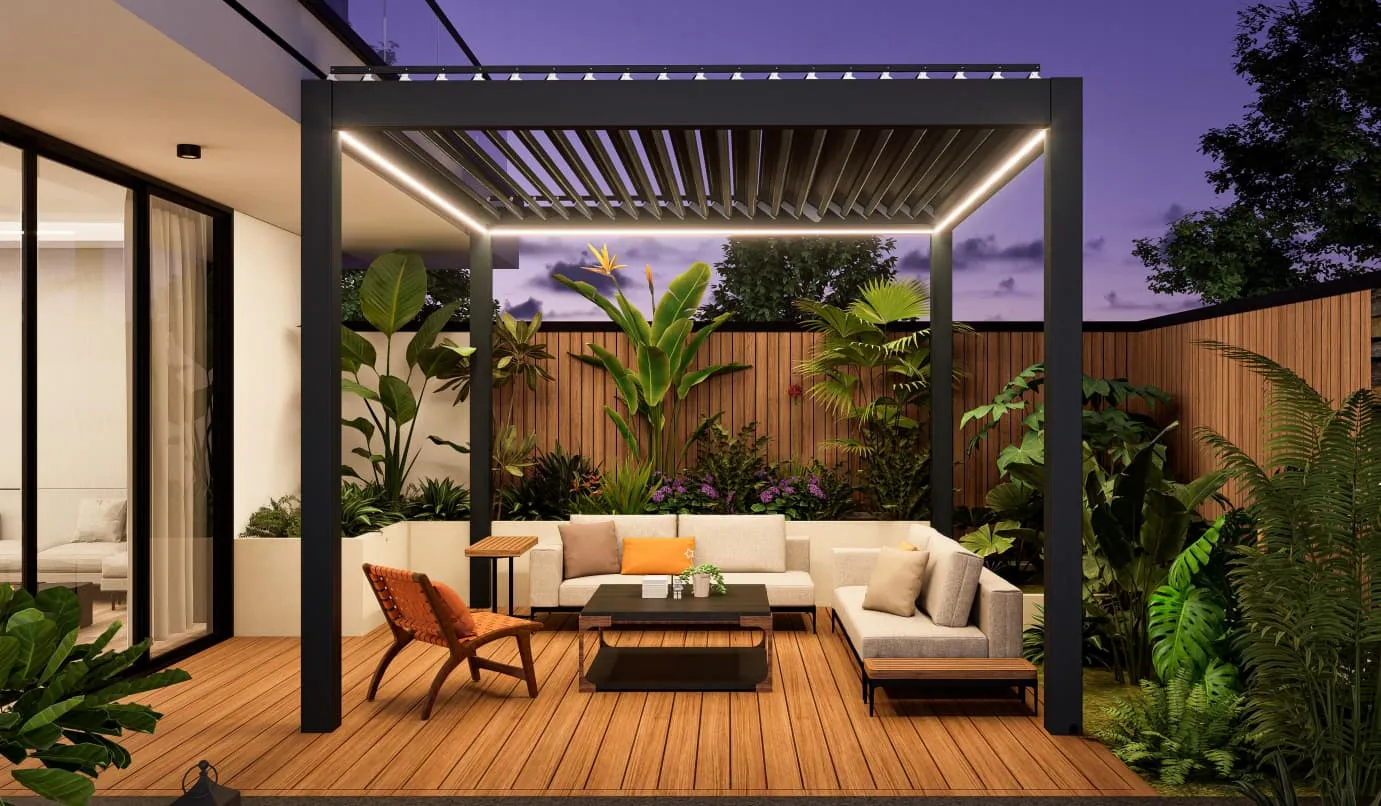
Understanding Climate-Specific Engineering Challenges for Metal Pergolas
Key Environmental Stressors: Wind, Snow, Humidity, and Salt Exposure
Metal pergolas face several serious environmental challenges they need to handle. First off, there are those high winds in storm prone areas where gusts can reach well over 90 miles per hour. Then we have heavy snow loads in northern parts of the country, sometimes exceeding 40 pounds per square foot on structures. Coastal properties deal with constant humidity problems, often above 80% year round, plus salty air that builds up to dangerous levels near oceanfront locations, sometimes hitting over 1.5 milligrams per cubic meter. Wood tends to warp when exposed to all this moisture, while vinyl gets really brittle in cold weather, cracking at temps below about minus 20 degrees Fahrenheit. Modern aluminum frames tell a different story though. They hold their shape and strength through pretty much anything nature throws at them, working reliably even when temperatures dip down to minus 40 or climb up past 120 degrees Fahrenheit without showing signs of stress or failure.
Why Metal Pergolas Are Uniquely Suited for Harsh Climates
Aluminum that's been engineered actually has about three times the strength-to-weight ratio compared to regular treated wood. This makes it possible to build sloped roofs that can shake off nearly all snow (around 98%) and stand up against wind gusts reaching 130 miles per hour. These specs meet the ICC-ES AC478 standards required in areas prone to hurricanes. When we look at coastal regions specifically, the marine grade version of aluminum naturally resists corrosion so well that decay happens at less than 0.001 mm each year. That's way better than what happens with steel, where corrosion typically progresses around 0.1 mm annually when exposed to salt air from the ocean.
The Role of Material Science in Outdoor Structure Resilience
Advanced metallurgical treatments enhance durability and load capacity:
- Powder coatings with thickness ÃÂÃÂ70üm resist UV degradation for over 25 years
- Anodized surfaces achieve 3,000-hour salt spray resistance under ASTM B117 testing
- Reinforced alloys deliver yield strengths up to 50 ksi, exceeding standard 36 ksi aluminum
These innovations support load-bearing capacities beyond 60 psfâ50% higher than typical residential snow load requirementsâwhile maintaining minimal thermal expansion of less than 0.5°F per linear foot during temperature swings.
Wind Resistance and Hurricane-Grade Structural Design
Engineering Principles Behind High-Wind Resistance in Metal Pergolas
Aerodynamic design and robust construction enable superior wind resistance. Curved roof profiles reduce wind pressure by 30â40% compared to flat surfaces, and interlocking or welded joints prevent component separation. Engineered systems channel wind forces down into foundation anchors, ensuring stability even under sustained high-speed gusts.
Meeting U.S. Wind Load Standards (105 mph Minimum) and Code Compliance
Metal pergolas rated for hurricanes can handle wind speeds of at least 105 mph, meeting requirements for Category 2 storms. Most coastal areas across the country have adopted standards similar to those set by Miami-Dade County through their TAS-100-95C testing protocol. This protocol puts products through rigorous testing conditions including 150 mph winds and impacts from flying debris during storms. When manufacturers get third party certification, it basically proves that what works on paper actually stands up when Mother Nature gets serious about testing structures during hurricane season.
Reinforced Frames and Bracing Techniques for Gust-Prone Regions
Cross-bracing with 45° diagonal supports improves lateral stability by 65% in simulated wind conditions. In high-risk areas, key features include:
| Feature | Wind Resilience Benefit |
|---|---|
| 12-gauge steel frames | Withstand 130 mph winds without deformation |
| Embedded foot anchors | Resist uplift forces exceeding 2,500 lbs per post |
| Dual-axis truss systems | Maintain alignment during multidirectional gusts |
Evaluating 'Hurricane-Rated' Claims: Performance vs. Marketing
True hurricane resistance requires independent verification against ASTM E1996 standards for windborne debris impact. Although 78% of marketers use terms like âstorm-ready,â only 34% provide documented dynamic pressure testing results. Consumers should prioritize products backed by stamped engineering drawings and regional wind zone certifications rather than unverified marketing language.
Snow Load Capacity and Winter Performance of Metal Pergolas
Structural Integrity Under Heavy Snow Accumulation
Cold climate pergolas made from extruded aluminum have some serious strength behind them. These alloys can reach tensile strengths above 35,000 PSI, which is actually about four times stronger than regular wood at around 7,500 PSI. When it comes to supporting heavy snow loads, the engineered aluminum models can handle approximately 60 pounds per square foot while closed. That's way beyond what basic wooden pergolas manage, usually only coping with about 8.2 pounds per square foot before problems start. What makes this possible are those reinforced corners and cross bracing on the rafters. This design spreads the weight across the entire structure rather than letting pressure build up in one spot, something that often causes traditional pergolas to fail under load.
Sloped Roof Designs That Reduce Winter Strain
Roofs with at least a 5 degree slope tend to accumulate about 27% less snow compared to flatter surfaces, whereas those with around 30 degrees angle generally allow snow to slide off completely during typical winter conditions. Many top companies now design their buildings with specially shaped louvers that direct falling snow away from vulnerable areas, which helps stop dangerous ice dams from forming along eaves. These built-in drainage features汥射胶摻塳啯那㘕 work together with hidden gutters that can handle pretty heavy snowfall too something like four inches falling each hour without causing any damage to the building structure itself.
ASTM-Certified Snow Load Ratings in Leading Models
The best quality metal pergolas actually go beyond what ASTM E1803 requires for snow loads. Independent testing has confirmed these structures handle anywhere between 40 pounds per square foot in places like the mid-Atlantic states all the way up to 120 psf in those heavy snowfall mountain areas. When it comes to cold weather performance, aluminum stands out quite a bit. After going through 15 complete freeze-thaw cycles, aluminum maintains about 98% of its original strength rating. Steel isn't doing so well by comparison though. It tends to form tiny cracks when temperatures drop below minus 20 degrees Fahrenheit. Anyone concerned about safety should double check that whatever certification exists applies not just to regular weight distribution but also accounts for uneven loading situations that might happen during actual use.
Corrosion Resistance and Material Longevity in Coastal Environments
Anodized and Powder-Coated Aluminum: Defense Against Rust and Salt
Metal pergolas built for coastal areas typically have two main forms of protection against harsh weather conditions. First there's anodization which basically creates a tough oxide layer that stands up well to salt damage. Then we get electrostatic powder coatings that wrap around the metal like a protective blanket against moisture intrusion. According to various independent lab results, these combined treatments can hold up through over 2000 hours of salt spray testing following ASTM B117 standards, so they work great right next to the ocean where regular pergolas would fail quickly. The top quality models actually feature polyester coatings about 55 microns thick. These coatings don't break down under UV exposure and continue functioning properly even when humidity levels climb past 80%, something most standard materials just can't handle.
Aluminum vs. Steel: Long-Term Durability in High-Humidity Zones
While steel requires galvanization for basic protection, marine-grade aluminum alloys (5000/6000 series) are inherently salt-resistant. Field data reveals:
| Material | Coastal Lifespan | Annual Maintenance Cost |
|---|---|---|
| Powder-Coated Al | 30+ years | $75 |
| Galvanized Steel | 15â20 years | $220 |
Aluminumâs oxide layer self-repairs minor surface damage, whereas steelâs protective coating degrades over time and demands annual inspection in salt-spray zones.
Real-World Longevity Data From Gulf Coast and Pacific Northwest Installations
A study tracking 120 coastal structures for eight years reveals something interesting about materials. Aluminum pergolas keep around 92% of their original strength even after hitting Category 1 hurricane conditions, while wooden ones only manage about 67%. Looking at data from Puget Sound's salty, humid environment, aluminum units put in place back in 2015 have shown incredibly slow corrosion rates too. The numbers tell us they're losing just 0.03 millimeters each year, which is way better than regular steel without any coating. This kind of performance makes aluminum stand out when it comes to standing up against constant moisture and sea spray, something coastal property owners definitely want to know before making their material choices.
Metal vs. Wood Pergolas in Corrosive Coastal Climates
Pergolas made from wood need about three times as much upkeep when they're exposed to salt air, especially near the coast. Pressure treated pine just doesn't last long there either, typically giving up after somewhere between seven and twelve years in areas affected by tides. Metal options completely remove the risk of rotting wood, plus they stand up better against those tiny salt particles blown by the wind which slowly eat away at wooden structures at roughly half a millimeter per year. Property managers who deal with beachfront properties have noticed something interesting too: switching to aluminum instead of cedar cuts down on overall costs over time by around sixty three percent. This savings comes from needing fewer repairs, replacing components less frequently, and spending less money on preservatives to keep the wood looking good for longer periods.
Foundation Systems and Base Engineering for Extreme Weather Stability
Metal pergolas demand foundation systems designed to resist winds over 90 mph and snow loads exceeding 40 lbs/sq ft. Proper base engineering transfers loads into stable soil strata while accommodating freeze-thaw movement and erosion.
Concrete Footings vs. Surface Mounts: Stability Trade-Offs in High Winds
Concrete footings, typically 24ââ36â deep, offer maximum resistance to uplift and frost heave but require excavation and curing time. Surface mounts allow quicker installation on existing slabs but may fail under Category 2+ hurricane forces. Recommended solutions include:
- A 1:4 post-to-footing diameter ratio for optimal lateral stability
- Galvanized steel base plates with ½" anchor bolts for slab-mounted units
- Hybrid systems combining concrete piers with adjustable pedestals for uneven terrain
How Proper Anchoring Ensures Structural Integrity in Storms
Helical pier anchors driven 5â8 feet into load-bearing soil prevent overturning during extreme weather. The American Institute of Steel Construction (AISC) advises:
- Using ¾" steel rods with epoxy-set foundations in flood-prone coastal areas
- Installing cross-braced footings for spans exceeding 20 feet
- Conducting annual torque checks on tensioned anchor systems
Design must account for local conditions: stainless steel hardware resists coastal corrosion, while seismic zones benefit from flexible base isolators capable of absorbing ground movements over 1.5 inches.
FAQ
Why are aluminum pergolas preferred in harsh climates?
Aluminum pergolas are preferred because they have a high strength-to-weight ratio, are corrosion-resistant, and can withstand extreme wind and snow conditions better than wood or steel.
What are the benefits of anodized and powder-coated aluminum?
Anodized and powder-coated aluminum provides defense against rust and salt, offering extended durability in coastal environments.
How do metal pergolas compare to wood in coastal climates?
Metal pergolas reduce the risk of rotting and withstand salt air better, requiring less maintenance compared to wood pergolas.
What type of foundation is recommended for metal pergolas in storm-prone areas?
Concrete footings and helical pier anchors are recommended for maximum stability against high winds and heavy snow loads.
Table of Contents
- Understanding Climate-Specific Engineering Challenges for Metal Pergolas
- Wind Resistance and Hurricane-Grade Structural Design
- Snow Load Capacity and Winter Performance of Metal Pergolas
- Corrosion Resistance and Material Longevity in Coastal Environments
- Foundation Systems and Base Engineering for Extreme Weather Stability
- FAQ